


Table of Contents
Moving out isn’t finished when the last box leaves. You still need to check the empty property. A missed key, dripping tap or forgotten charger can cause delays later.
This final house inspection checklist Australia guide focuses on Sydney homes. It covers rentals, property sales and moving-day handovers. Work through each room, record its condition and confirm who receives the keys. You’ll leave with proof, not guesses.

Timing & Preparation
A final walkthrough works best after the removals truck leaves and before you surrender access. Leave time for repairs, photos and one last search. It’s easier to catch trouble now than chase it later.
Schedule
Reserve 30 to 60 minutes for an ordinary home, plus extra time for larger properties. This is a planning allowance, not a guaranteed inspection duration. Finish packing first. Then walk from the furthest room towards the front door.
Keep your handover deadline separate from the truck’s estimated finish time. Sydney traffic and apartment lift bookings can shift the schedule. Parramatta units may need lift bookings. Inner West terraces may need parking plans. Use a moving house checklist for Sydney to prepare earlier tasks.
Bring
Carry your phone, charger, torch, pen, cleaning cloth and rubbish bags. Add the entry condition report or sale contract. Bring spare batteries for a torch if needed.
Take a labelled key envelope and a small folder for readings and receipts. A floor plan helps with large homes. Don’t pack these essentials with your kitchen cartons.

Clear-Out & Cleanliness
A properly cleared house includes storage and outdoor areas, not only the main rooms. Look behind doors and inside cupboards. Small leftovers often create the biggest handover arguments.
Empty all storage spaces
Open every wardrobe, drawer, overhead cupboard and under-stair space. Check the linen press, loft access and built-in garage shelving. Shine your torch into dark corners.
Check for passports, spare keys, chargers and children’s keepsakes. These are easy to miss. Record anything you must collect later before agreeing to surrender access.
Clear out external areas
Inspect the shed, garage, balcony, courtyard and side passage. Collect loose pots, hose fittings and stored tools unless they belong with the property. Check the agreed inclusions first.
Remove ordinary rubbish through approved council or private services. If you need end of lease rubbish removal Sydney services, confirm collection availability early. Never leave items beside the kerb without approval.
Wipe down surfaces
Wipe shelves, benchtops, window ledges, switches and skirting boards. Remove packing tape and labels without damaging paint. Use products suitable for each surface.
A rental must be left reasonably clean, allowing for fair wear and tear. Check your agreement and original condition. Avoid paying for cleaning standards that the law doesn’t require.
Flooring inspection
Check timber, tiles and carpets under good lighting. Note new scratches, stains or lifted edges. Photograph marks beside a familiar reference, such as a ruler.
Don’t hide damage beneath a mat. Tell the relevant person what happened. Compare any old marks with your pre-move inspection checklist and earlier dated photos.
Restricted Moving Items and Safe Disposal
Moving companies may restrict dangerous goods and certain batteries. Ask your removalist for its current transport policy. Never assume every garage item can travel with the furniture.
Identify Non-Transportable Items
Separate petrol, paint, solvents, pesticides and compressed gas bottles from ordinary cartons. Ask about lithium batteries and fuelled garden equipment before loading. Rules vary by carrier and item.
Mark anything needing specialist handling. Don’t place unidentified liquids inside sealed moving boxes. Keep children and pets away from sorting areas.
Dispose of Hazardous Chemicals
Never pour chemicals into drains or mix leftovers in one container. Keep products labelled and sealed wherever possible. Store them upright until proper disposal.
NSW household chemical collections accept many cleaners, fuels and paints, subject to limits. Follow the centre’s handling instructions. Business quantities need a suitable commercial service.
Check Battery and Gas Bottle Disposal
Tape exposed battery terminals where recommended. Use an approved battery collection point instead of a household bin. Check whether your local centre accepts larger batteries.
Unwanted gas bottles need an accepted recycling or collection service. Don’t vent them yourself. A damaged, leaking or swollen item needs specialist advice before anyone moves it.
Find Local Waste Drop-Off Services
Find a council facility or NSW Community Recycling Centre before moving day. Check accepted items, opening hours and residency conditions. Some chemical items require a scheduled collection event.
The NSW EPA Household Chemical CleanOut program explains accepted household items and local events. Plan a separate trip. A removals truck isn’t a hazardous waste service.
Room-by-Room & System Checks
Walk through each room in the same order. Test accessible fittings without dismantling anything. Take a clear photo whenever you find a problem.
Kitchen & Appliances
Check the oven, cooktop, rangehood and dishwasher against the agreed inclusions. Open the pantry, fridge cavity and lower cupboards. Look for leaks beneath the sink.
Defrost and clean any appliance you’re taking. If built-in appliances remain, leave their supplied fittings and manuals. Photograph the kitchen from every corner.
Electrical
Test reachable switches and fixed lights where safe. Check that built-in fixtures remain in place. Flag broken sockets or exposed wiring without touching them.
Don’t investigate live faults yourself. Photograph concerns and contact a qualified electrician or the responsible party. Leave the electrical system as your contract or agreement requires.
Heating & Cooling
Confirm fixed air-conditioning units, ceiling fans and heaters are present and intact. Look for visible damage to covers or remote holders. Leave any agreed remote controls.
If servicing was promised in the sale contract, confirm its completion. Otherwise, avoid promising the buyer a fresh service without evidence.
Doors & Windows
Open and close accessible doors and windows. Test latches, locks and screens. Check sliding tracks for grit or loose fittings.
Take photos of cracked glass, damaged flyscreens and loose handles. Don’t force a stuck window. Tell the agent, owner or conveyancer about unresolved issues.
Walls, Floors & Ceilings
Look for picture-hook damage, scuffs, water marks and missing fittings. Compare these with your arrival photos or inspection records. Photograph each issue in context.
Avoid cosmetic patches that could make damage worse. Disclose new marks promptly. A clean record is worth more than a rushed cover-up.
Exterior & Outdoor
Inspect gates, fences, letterboxes, clotheslines, garden taps and outdoor lights. Check patios, bins and shared access points. Remove your belongings from agreed vacant areas.
For Sydney terraces and units, inspect shared access without blocking neighbours. Report damaged common property to the appropriate manager. Don’t claim common areas are yours to hand over.
Fixtures & Connected Systems
Fixtures that stay or leave depend on the contract, lease and written agreements. Check documents rather than relying on memory. Photos alone cannot settle a contract dispute.
Contract inclusions
Check curtains, blinds, light fittings, wall mounts and garden fixtures against the paperwork. Confirm any excluded item was removed as agreed. Don’t take attached items without checking first.
For a rental, compare your lease and entry record. For a sale, ask your conveyancer about uncertain inclusions. Write down disputed items before handover.
Agreed repairs
List promised repairs and the evidence of completion. Save invoices, tradesperson details and dated photos. Test safe, visible results without dismantling fixtures.
If work remains unfinished, notify the agent or conveyancer promptly. Don’t tell the buyer a repair is complete when it isn’t. Keep the discussion in writing.
Utilities & Maintenance
Meter readings and account changes protect you against confusion after you leave. Record each detail before returning the keys. Never turn off a safety-critical system without approval.
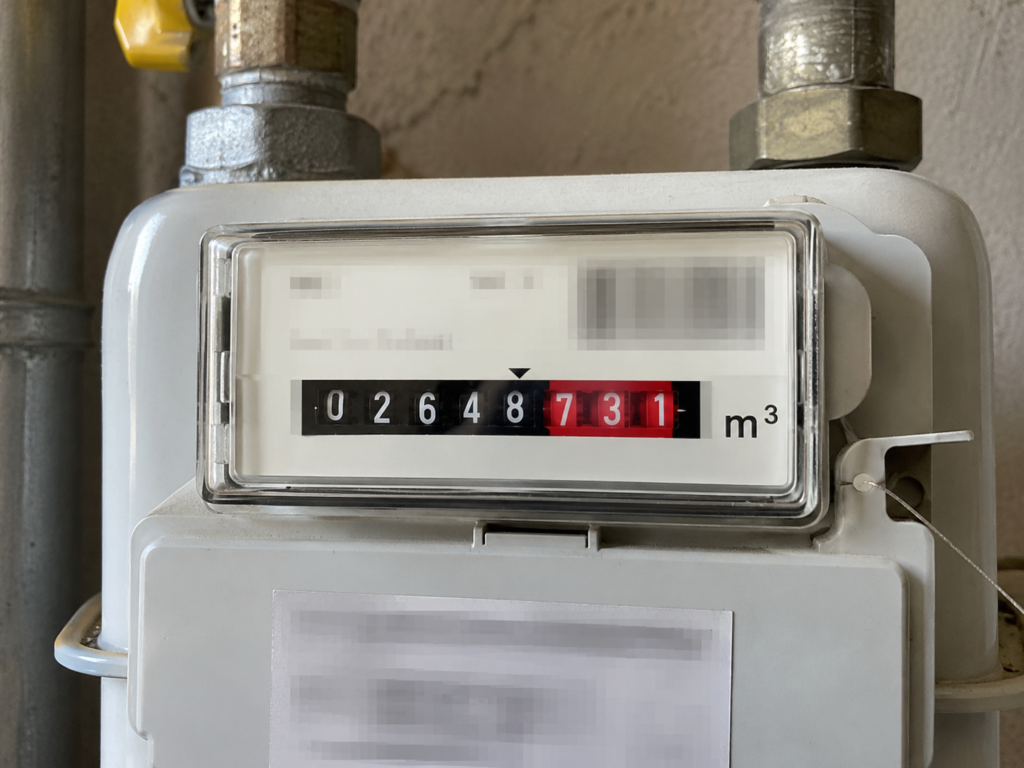
Take meter readings
Photograph accessible electricity, gas and water meters where applicable. Capture the reading, meter number and date. Keep screenshots in the handover folder.
Some Sydney properties use smart meters or shared supplies. Confirm which accounts cover your address. Ask providers how final readings and bills will be handled.
Account Closures
Contact electricity, gas, internet and water providers as appropriate. Give your departure date and forwarding contact details. Check whether accounts should end or transfer.
Don’t assume a new occupant automatically takes over your account. Retain the closure confirmation. Some services require advance notice.
Plumbing check
Look under sinks and around toilets, taps and laundry connections. Check for slow drips or newly wet areas. Report leaks rather than attempting risky repairs.
Shut laundry taps if safe and appropriate after disconnecting your own machine. Protect exposed hoses from dripping. Photograph any concern before leaving.
Power off
Switch off portable appliances that belong to you. Follow the agent’s or contract’s instructions for fixed power and safety systems. Don’t cut power needed by alarms or essential equipment.
Leave the property safe, secure and ready for the next occupant. Photograph the final state of key switches if relevant.
Smart Home Privacy and Digital Access
A key handover now includes digital access. Remove personal permissions without disabling fixtures the next occupant owns. This step is easy to forget during a busy move.
Unlink Smart Cameras and Doorbells
Download any footage you’re permitted to retain. Remove personal accounts from devices that stay. Follow the manufacturer’s ownership transfer procedure.
Protect other people’s privacy when exporting recordings. Confirm whether attached cameras form part of the sale. Don’t remove agreed fixtures without approval.
Revoke Smart-Lock User Access
Remove old guest codes, temporary passes and linked family accounts. Check whether access transfers to the new owner. Supply the agreed physical keys and backup instructions.
Avoid factory resets that could lock out the agent or buyer. Agree on the changeover time in writing.
Reset Connected Device Accounts
Sign out of smart thermostats, hubs, speakers and home networks you own. For devices left behind, use supported account transfer steps. Record model numbers and basic setup details.
Remove saved payment information and personal profiles. Don’t reset a building-owned alarm controller without approval.
Transfer Solar Monitoring Access
If solar equipment stays, ask the installer how monitoring ownership transfers. Record inverter details, warranties and available manuals. Transfer portal access through official channels.
Never change wiring or isolate equipment simply to wipe data. Seek the installer’s guidance if accounts cannot be transferred.
Mail and Parcel Redirection Before Handover
Mail changes can take longer than people expect. Deal with deliveries before the old letterbox becomes someone else’s responsibility. A little planning saves repeated return trips.
Empty the Letterbox
Remove your mail, parcels and old delivery notices. Check any parcel locker or collection point linked to the address. Shred unneeded papers containing personal details.
Don’t open mail addressed to other people. Hand incorrectly delivered items to the proper service or follow its return process.
Activate Australia Post Redirection
Arrange eligible mail redirection through Australia Post. Choose an available duration that suits your move. Check its current conditions and start date before paying.
Redirection won’t update every sender’s database. Use it as backup while you change the address directly. Keep your confirmation email.
Update Recurring Delivery Addresses
Change addresses for banks, employers, schools, subscriptions and online shops. Check grocery orders, medicines and repeat parcel deliveries. Update saved checkout addresses on your devices.
Include your licence and government records where required. Ask each organisation when changes take effect. Don’t share a new private address in a public handover note.
Rental Exit Inspection and Bond Protection
For Sydney renters, the exit inspection compares the home’s current state with its entry record. Focus on evidence, cleanliness and fair wear and tear. Don’t treat every small mark as damage.
Compare the Entry Condition Report
Open the original room-by-room report and any dated entry photos. Compare cupboards, fixtures, walls and flooring. Write down changes with simple descriptions.
NSW Fair Trading condition report guidance explains why dated photos help resolve disputes. Keep the whole report, not just selected pages. The final house inspection checklist australia process should match your actual tenancy record.
Identify Fair Wear and Tear
Ordinary ageing differs from damage caused by misuse. Carpet traffic marks and faded paint may be normal wear. Burns, broken glass and deep gouges need closer review.
NSW rules consider fair wear and tear when assessing tenant responsibility. Don’t admit liability for every mark. Ask for an itemised explanation if charges seem wrong.
Complete the Exit Condition Report
Describe each room honestly and take date-stamped photos. Capture wide views and close-ups of any defects. Save a backup before your access ends.
Follow the agent’s process for completing the outgoing report. Record any disagreement clearly. Avoid signing a statement you believe is inaccurate without noting the issue.
Did you know?
NSW condition reports help compare a rental property before and after tenancy. Dated photos can help settle disputes about damage and fair wear and tear.
Attend the Agent’s Final Inspection
Ask whether you can attend the exit inspection and note its agreed time. Bring the entry report and your photos. Discuss concerns calmly and record proposed follow-up actions.
Don’t make repairs without permission after keys have been returned. Get written access arrangements when needed. Keep communication factual.
Prepare Your Rental Bond Claim
Check your bond record and bank details after the tenancy ends. Eligible tenants can submit claims through Rental Bonds Online. Disputed deductions may require further steps.
Review any cleaning or repair invoices before agreeing to a deduction. NSW Fair Trading explains the refund and dispute process. Keep copies of every message.
When can I claim my NSW rental bond? Generally, after the tenancy ends. Check Rental Bonds Online for your situation.
Property Sale Settlement and Vacant Possession
Sydney sellers should check the contract and settlement instructions before handing over. Vacant possession means meeting the agreed right to occupy, not guessing at requirements. Your conveyancer should resolve legal uncertainty.
Confirm Vacant Possession Requirements
Read the contract for the required handover state. Remove chattels unless they are included or agreed. Confirm keys and access arrangements with your agent and conveyancer.
Don’t promise vacant possession when a tenancy or other occupancy arrangement continues. Raise the issue early. Your legal adviser can explain the contract’s effect.
Prepare for the Buyer’s Final Inspection
Leave agreed fixtures visible and rooms accessible for the inspection. Keep cleaning and small repairs completed where required. Photograph the property once it’s empty.
The buyer may inspect before settlement to compare the property’s condition. Stay reachable in case something needs clarification. Avoid last-minute changes without written agreement.
Check Settlement Handover Conditions
Confirm settlement timing and the authorised key-release process. Check whether alarm details, remotes or access cards go to the agent. Keep copies of written instructions.
A sale may settle later than the moving truck departs. Plan storage or access accordingly. Never hand keys to an unknown person.
Report Issues to Your Conveyancer
Tell your conveyancer about new damage, missing inclusions or access problems. Include photos and any agreed repair paperwork. Ask them to confirm the next step.
Don’t negotiate legal settlement adjustments on the driveway. Keep the agreed channels clear. Written evidence is your safety net.
Handling Last-Minute Handover Problems
Last-minute problems need a short action plan, not a rushed argument. Record what happened and tell the right person. Act before the handover deadline where possible.
Manage Removalist Delays
Tell the agent or conveyancer if the truck is running late. Ask your removalist for a revised completion time. Keep a safe margin for final cleaning and photos.
Don’t promise keys will arrive at a certain time without confirmation. Ask whether access arrangements can change. Put important updates in writing.
Report Newly Discovered Damage
Photograph new scratches, chips or leaks immediately. Record the location, time and what you observed. Inform the responsible contact without guessing the cause.
Keep photographs before any cleaning or repair hides the evidence. If there was a moving incident, preserve the related notes.
Arrange Urgent Rectification
Separate urgent safety issues from small cosmetic problems. Contact a licensed trade for unsafe electrical or gas faults. Ask the responsible party to authorise work where needed.
Keep receipts, photos and written approvals. Avoid unapproved repairs that may complicate a rental dispute or sale settlement.
Resolve Handover Disagreements
Stay specific about the issue, evidence and proposed next action. Refer to signed documents rather than verbal memories. Escalate rental disputes through appropriate NSW channels.
For property sales, speak with your conveyancer first. Don’t withhold or release keys against professional advice. Keep a single written timeline. If you’re still arranging your move, ask for a free quote before fixing access times.
Handover & “Welcome” Preparation
A tidy handover helps the next resident settle without chasing basic details. Leave useful records, but protect your personal information. Think of it as passing a clear set of instructions.
Gather the keys and remotes
Count front door keys, window keys, garage remotes and building fobs. Compare them with your handover list. Label each item without exposing alarm codes.
Record who receives them and when. Request a receipt or written acknowledgement. Never leave keys in an unlocked letterbox.
Compile a handover book
Collect appliance details, approved warranties and service records that should stay. Add simple instructions for agreed fixtures. List emergency building contacts when appropriate.
Keep private bills and account numbers out of the folder. The next resident can follow a move-in walkthrough checklist for their own inspection.
Leave Manuals
Place manuals for included appliances in one labelled envelope. Add available warranty documents and installer information. Check that any details belong to the property.
Don’t leave personal passwords or copies of identification. Digital manuals can be shared through the agent when approved.
Leave a helpful note
Write down practical information, such as bin collection day and tricky window latches. Keep the note brief and friendly. Avoid making promises about repairs or services.
If you’re unsure about a shared building rule, refer to building management. Leave contact details only with your consent.
Final Documentation
Photos and a secure closing routine complete the record. A short evidence folder can prevent long arguments later. Capture the property before handing over every key.
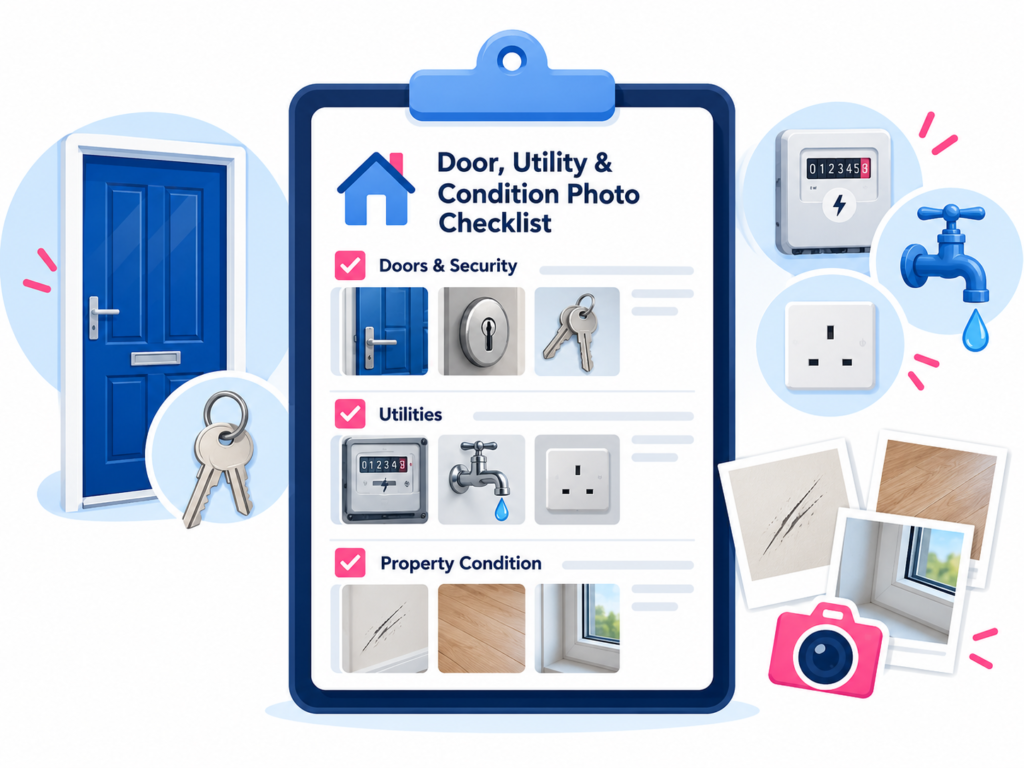
Take comprehensive photos/videos
Photograph each room from the doorway and opposite corner. Capture inside cupboards, walls, floors, meters and outdoor spaces. Save short videos if they show useful context.
Use consistent filenames and record the date. Avoid filming neighbours or private documents. Keep backups with your tenancy or settlement papers.
Secure the property
Close windows, lock doors and check gates. Verify any approved alarm handover setting. Leave lighting and ventilation as instructed.
Walk once around the boundary. Confirm your keys and access cards go to the agreed recipient. Check that no one remains inside.
Final Removalist Checks Before Leaving
A final truck check closes the gap between moving out and handing over. Confirm items, damage notes and the job status before the crew leaves. Your future self will thank you.
Confirm the Final Truck Load
Check bedrooms, storage rooms, the garage and the path to the truck. Confirm the last items on your list are loaded. Ask the crew about any item set aside.
For heavy pieces, qualified furniture removalists can explain handling and loading choices. Check exclusions and handling requirements before booking. Don’t leave loose items waiting on the footpath.
Reconcile Missing Cartons
Count labelled cartons against your list. Check the truck, cupboards and any separately transported car loads. Mark missing items without assuming they’re lost.
A whole-house inventory checklist helps identify cartons quickly. Keep high-value items and essential documents on a separate record. Ask the crew to confirm the next search step.
Record Removalist-Caused Damage
Inspect visible door frames, floors and furniture. Photograph fresh damage before it is covered or repaired. Tell the crew leader and request a written record.
Check your booking terms and any applicable cover. Liability depends on the circumstances and the agreement. Don’t assume every mark has automatic insurance coverage.
Confirm Moving Job Completion
Confirm unloading arrangements, remaining tasks and the final invoice details. Ask about any additional charges before closing the job. Keep the receipt and contact information.
For Sydney moves, Six Brothers Removalists can discuss your items, access and timing. Request a free quote before booking. Call 1300 764 372 or email info@sixbrothersremovalist.com.au.
Once the old home is empty, follow your final check and release the keys properly. A clear record is the best thing to carry into your next home.
FAQs
How to Prepare for Removalists?
Confirm parking, access, fragile items and your final loading check beforehand. Keep the walkthrough kit with you, not inside the truck.
Can I leave paint or gas bottles for the next resident?
Only leave items expressly agreed for handover. Otherwise, arrange safe disposal ahead of time.
Should I turn off the mains power before handover?
Not automatically. Ask the agent or conveyancer first, especially where alarms operate.
What if the buyer finds a problem before settlement?
Report it promptly to your conveyancer. The contract determines available remedies.
What should I photograph before handover?
Record condition, meter readings, fixtures, cleared storage and returned keys. Include defects clearly.
Are Removalists Liable for Damage?
They can be, depending on the cause and applicable law. Keep evidence and review your terms.