


Table of Contents
Knowing how to pack garden tools for moving protects your gear and everyone handling it. A Sydney shed can hold sharp secateurs, heavy spades, power tools and petrol machinery. Each needs a different approach. The aim is simple: clean, sort, protect and declare everything before removal day.
Start with anything containing fuel, chemicals or batteries. Then pack sharp hand tools and measure larger machines. This guide covers local house removals and extra checks for interstate journeys. You’ll also learn what to tell your removalist before requesting a quote.
How to Pack Garden Tools for Moving: Safety First?
Start by switching equipment off and separating anything sharp, powered or hazardous. Don’t mix loose batteries, petrol containers and pruning blades inside ordinary moving cartons. Check the tool manual and your removalist’s acceptance policy before sealing anything.
- Switch off and isolate: Remove keys or detachable batteries where the manufacturer allows. Let motors cool first.
- Clean and dry: Brush off grass, soil and debris. Dry metal before wrapping it.
- Cover cutting edges: Fit blade guards to secateurs, saws, shears and hedge trimmers.
- Keep loads manageable: Put dense tools in small, reinforced boxes. Label each carton HEAVY or SHARP TOOLS.
- Declare restricted items: Tell the removalist about fuel, chemicals, leaking batteries and large machines.
Packing tip: Take one photo of each tool group before it enters a carton. You can check missing pieces later.
Why Garden Tools Require Special Attention?
Garden tools need special care because weight, sharp edges and contamination can create different risks. A rake may puncture a carton. A dirty mower can leave grass and soil throughout the load. Batteries and fuel introduce safety and carrier restrictions.
Sydney’s damp weather adds another problem. Trapped moisture can cause rust while boxes sit in storage. A little work now saves an awful lot of grief later. Use blade guards, dry packing materials and firm cases where practical.
What Garden Equipment Will Removalists Transport?
Removalists may transport clean hand tools, empty wheelbarrows and prepared garden machinery, subject to approval. Common examples include shovels, rakes, hoses, hedge trimmers and lawn mowers. Acceptance depends on the machine, its condition and the carrier’s rules.
Petrol equipment needs individual approval. Fuel containers, solvents, pesticides and damaged lithium batteries may be refused. A ride-on mower might require different loading equipment and a separate quote. Ask for written confirmation instead of assuming everything from the shed is included.
For broader packing help, Six Brothers offers packing and removals for household relocations. Confirm garden equipment and any exclusions in your written scope.
Garden Tool Inventory and Decluttering Before Moving
A garden tool inventory shows what you own, what travels and what stays behind. Start with the shed floor, shelves and hidden storage tubs. Keep one list for both the family and your removalist.
Keep, Sell or Donate
Keep tools you’ll use at the new property. Sell working duplicates and donate safe, usable items. Separate broken equipment and dangerous goods for suitable disposal. Don’t pass damaged electrical gear to someone else.
The garage clearout checklist offers a wider plan for benches, stored hardware and unwanted items. Sydney councils may have different collection rules, so check your own address.
Create a Tool Inventory
List tools by category: hand tools, powered equipment, garden machinery and loose accessories. Record their quantity, size and packing method. Mark items needing special handling, such as a ride-on mower or heavy tool chest.
Add a simple status beside each item: packed, carrier approval needed, moving separately or dispose. This turns the shed into a manageable job rather than a last-minute puzzle.
Record Models and Serial Numbers
Photograph product labels and serial numbers on valuable equipment. Include drills, chainsaws, battery packs and powered mowers. Keep purchase records where available and note each item’s working condition before packing.
Save a copy away from the tools themselves. A whole-house inventory checklist for insurance helps organise photographs and ownership records for the move.
Safe Disposal of Dangerous Goods
Dispose of unwanted garden chemicals through an approved collection service, not household bins or drains. Common problem items include pesticides, weedkillers, petrol, oil, solvents and gas bottles. Keep them sealed and labelled while arranging disposal.
The NSW EPA Household Chemical CleanOut service accepts various household quantities at scheduled events. Check current dates, item limits and local instructions before attending. Never mix leftover chemicals or pour fuel into another container without specialist guidance.
Watch out: A removals truck isn’t a hazardous-waste collection vehicle. Keep rejected items out of every moving carton. Ask your removalist for their excluded-items list before removal day.
Preparing Petrol-Powered Equipment
Prepare petrol lawn mowers, whipper snippers, chainsaws and leaf blowers under their manuals. Tell the carrier the exact model and whether it has fuel or oil. Some machines require both fluids removed for transport. Other models have different handling instructions.
Drain All Fuel and Oil
Confirm fluid requirements before touching a drain plug or fuel line. Do not automatically drain every oil reservoir. Follow the machine manual and carrier instructions. Arrange suitable help if fuel handling isn’t familiar or safe for you.
Collect removed fluids in approved containers and arrange lawful disposal. Never siphon by mouth or empty fuel onto soil. A powered machine must be fully cooled before handling. Keep ignition sources well away.
Remove Detachable Parts
Fold or remove mower handles only when the manual permits it. Take off loose collection bags, extension tubes and detachable accessories. Bag screws and pins, then label the bag with the machine model.
A quick phone photo shows how everything fits back together. Keep delicate plastic guards protected. Don’t dismantle blade assemblies without suitable training and equipment.
Wipe Down Frames
Brush grass from mower decks, wheels, vents and catchers. Wipe surfaces dry, including handles and undercarriages. Use the manufacturer’s cleaning method around motors and electrics. Don’t spray water into sealed electronic areas.
Check for existing leaks or cracked housings. Tell your removalist if something looks unsafe. Moving a dirty, leaking machine is asking for trouble.
Protect Large Machinery
Fit blade covers and protect exposed controls with firm padding. Secure loose handles and guards according to the manual. Keep the machine upright whenever its transport guidance requires this. Don’t use stretch wrap to hide fluid leaks.
A ride-on mower needs accurate dimensions and prior loading approval. Share its weight, width and turning clearance before booking. Don’t try to lift heavy machinery by yourself.

Packing Cordless & Electric Power Tools
Pack cordless and electric garden tools with their power isolated and sharp attachments guarded. Hard cases work well for hedge trimmers, drills and pruning saws. Cable ties and labelled pouches keep chargers and parts together.
Remove Batteries
Remove detachable batteries where the manual instructs you to do so. Check whether your removalist accepts lithium-ion packs and under what conditions. Never conceal loose batteries inside powered equipment or mixed hardware cartons.
Inspect each pack first. Swelling, leaks, overheating or serious damage call for special handling. Don’t transport a suspicious battery as ordinary luggage. Seek qualified disposal advice.
Protect Battery Contacts
Keep contacts away from metal tools, keys and screws. Use the manufacturer’s terminal covers or suitable non-conductive protection. Pack each acceptable battery separately in a robust, non-metal case following carrier guidance.
Do not bundle batteries where their terminals can touch. Keep their identifying labels visible. Transport rules differ from household recycling instructions, so confirm the carrier’s requirements.
Use Hard Cases
Original hard cases usually protect valuable power tools better than an oversized carton. Lock moving parts and cushion empty spaces without pressing buttons. Choose a rigid case for exposed controls, blades or fragile gauges.
If a strong carton is your only option, line it with clean padding. Put heavy metal parts at the bottom and separate them from plastic casings. Never overload the handles.
Organise Chargers
Label chargers by tool brand and battery type. Coil cords loosely and fasten them with reusable straps. Store plugs separately from sharp pieces. Avoid folding cables tightly at their entry points.
Check that each tool, charger and compatible battery appears on your inventory. Small accessories are surprisingly easy to leave in a drawer.
Packing Small Hand Tools and Pruning Equipment
Pack small hand tools in closed cases, with every point and blade covered. Secateurs, weeders and pruning saws should never rattle loose in a carton. Group similar items before wrapping.
Secateurs, Loppers and Hand Saws
Close and lock secateurs where possible. Fit guards over saw teeth and lopper blades. Thick cardboard can protect a blade when a proper sheath is unavailable. Secure the cover without leaving cutting edges exposed.
Keep sharp tools separate from soft goods. Mark their box clearly for careful handling. Gloves help during packing but never replace blade guards.
Trowels, Forks and Weeders
Clean soil from trowels, garden forks and weeders. Cover pointed ends with robust sleeves. Wrap each tool enough to prevent metal parts rubbing together. Keep damp handles out of sealed boxes.
Place heavy items low in the carton. Fill gaps with packing paper so the load stays stable. A small box beats one impossible lift.
Tool Rolls vs. Storage Cases
Tool rolls suit clean, light hand tools with guarded points. Rigid storage cases suit heavier and sharper equipment. Choose based on weight, closure strength and how easily an edge could cut through the material.
A tool roll isn’t a substitute for a blade sheath. Check seams and buckles before loading it. Don’t hang a packed roll where it could fall.
Long-Handled and Large Tools
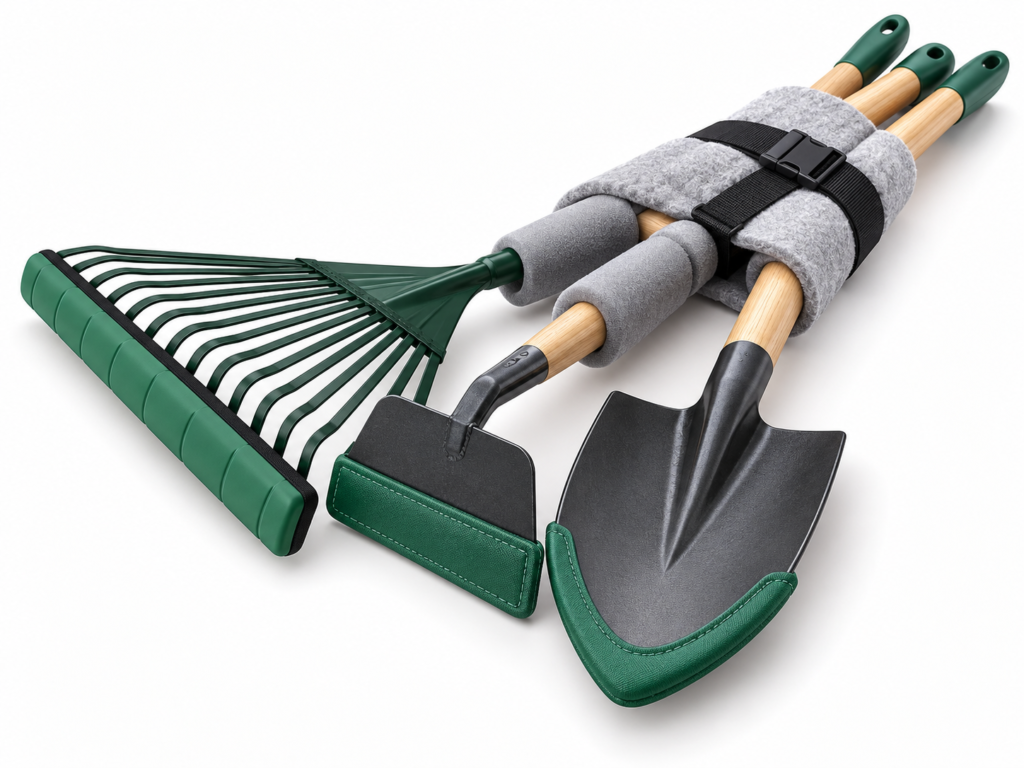
Long garden tools travel more safely when cleaned, covered and bundled into manageable groups. Rakes, hoes, spades and shovels can snag doorframes and scratch walls. Treat their heads and handles separately during packing.
Clean and Dry
Brush debris from shovel blades, rake teeth and timber grips. Let everything dry fully before bundling. Moisture held under plastic wrap can encourage rust and timber damage.
Check wooden handles for splinters or splits. Set unsafe items aside instead of packing them. Removal day isn’t the time to discover a broken shaft.
Wrap Sharp Edges
Fit edge guards over spades, forks and hoes. Wrap rake teeth with sturdy cardboard. Fasten the cover so it can’t slide off while carried. Leave handles easy to grip.
Put clearly marked sharp ends facing the same direction within each bundle. Never leave exposed teeth pointed into a walkway.
Bundle Long Tools
Bundle similar lengths with adjustable straps. Keep groups light enough for safe handling. Don’t make one giant bundle of heavy shovels. Two small groups are easier through a Sydney terrace doorway.
Check that straps won’t crush hollow handles. Don’t tape directly onto delicate painted surfaces. Use protective paper beneath adhesive where needed.
Group and Box
Short tools can sit upright inside reinforced cartons with wrapped heads. Full-length rakes may need protective sleeves rather than ordinary boxes. Label groups by garden use and destination room.
Keep pointed tools away from fabric furniture. Ask the loading team where awkward bundles should wait before loading.
Hoses, Hardware, and Chemicals
Pack hoses dry and keep small fittings inside labelled bags. Keep chemicals entirely separate from ordinary household removals. That simple split prevents leaks and lost connectors.
Drain and Coil Hoses
Disconnect hose fittings, drain trapped water and coil the hose loosely. Let the outside dry before placing it in a tub. Secure spray heads and reel handles so they can’t strike nearby items.
Don’t kink a hose to make it fit a tiny carton. Large coils are easier to reuse after arrival.
Bag Small Hardware
Place sprinkler connectors, tap adaptors, bolts and screws in small sealed bags. Label every bag with its matching machine or hose. Keep tiny items together in a lidded organiser.
Photograph fittings before removing them. When the garden tap needs reconnecting, those photos save a hunt through boxes.
Use Small, Reinforced Boxes
Use small double-wall cartons for dense brackets, fittings and metal tools. Tape the base well and keep each box a manageable weight. Add padding so parts cannot punch through the sides.
Do not pack chemicals beside hardware. Their containers need separate approved disposal or carrier arrangements.
Keep a “Day One” Tool Kit Separate
Keep a small kit with a torch, screwdriver, gloves, tape measure and basic fasteners. Add a few cable ties and a marker. Carry it where you can reach it after arrival.
Leave blades and hazardous supplies out of this essentials kit. It should help with safe setup, not introduce another risk.
Special Considerations for Valuable or Delicate Tools
Protect valuable tools with their original cases, photographs and careful handling notes. Laser levels, precision saws and specialist trimmers need firm support around vulnerable controls. Don’t rely on a thin plastic bag.
List high-value tools separately and check the insurance terms. Carrier liability and transit insurance are not the same thing. Ask what damage is covered, what evidence is needed and whether particular machines are excluded.
Access and Loading Challenges for Bulky Garden Equipment
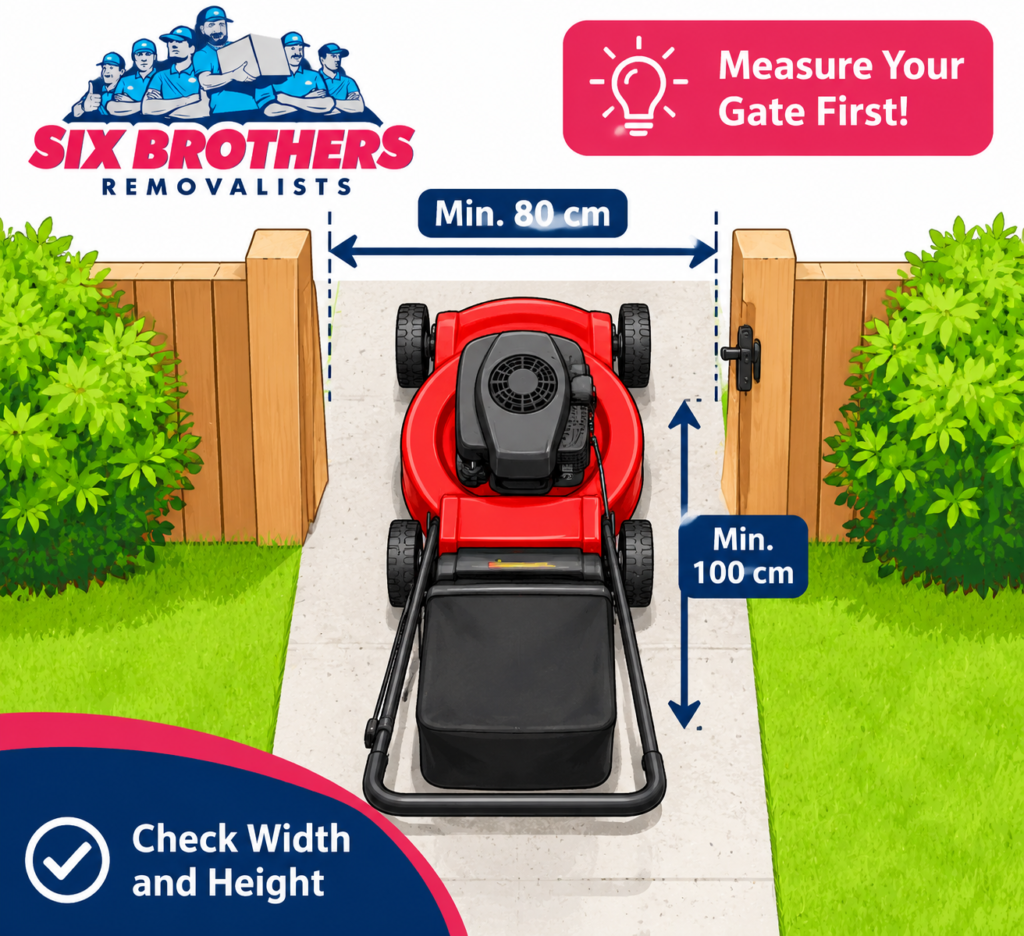
Check the full route from shed to truck before removal day. Narrow side gates, steps, garden beds and steep driveways change the handling plan. A machine may fit the truck but not the backyard exit.
Measure Gates and Pathways
Measure the narrowest gate opening, corridor and turning point. Compare those figures with your mower’s width and handle position. Photograph obstructions, uneven paving and any stairs.
In older Sydney terraces, side access can be the real bottleneck. Don’t assume the front door is the best route.
Check Mower and Wheelbarrow Clearance
Measure the widest part of the mower, including handles and wheels. Empty wheelbarrows completely and confirm their wheel and tray clearance. Check door thresholds and steps at both properties.
If equipment needs dismantling, use only manufacturer-approved methods. Tell the removalist before the crew arrives.
Plan Safe Truck Loading
Leave loading, restraint and unloading of heavy machinery to trained staff with suitable equipment. Tell them about sharp edges, fragile controls and the manufacturer’s orientation rules. Heavy machines should not roll freely inside a vehicle.
Before booking, speak with Six Brothers Removalists about your garden inventory and access photographs. Request a clear written scope before the moving day.
Interstate Biosecurity Rules for Garden Tools
Interstate garden equipment must meet the destination’s biosecurity requirements. Soil, seeds, grass and insects can travel under mower decks and inside catchers. Cleaning before departure is the sensible starting point.
State and Territory Entry Rules
Each state and territory sets its own entry conditions. Western Australia specifically requires clean garden equipment and may inspect declared lawn mowers and whipper snippers. Victoria also controls some used equipment and contaminated material.
Check the rules for your exact origin and destination. A Sydney-to-Melbourne move isn’t governed by every rule applying to Sydney-to-Perth travel.
Soil, Seeds and Pest Contamination
Remove visible soil, seeds, weeds, insects and plant debris from wheels, blades, guards and collection bags. Pay close attention to mud trapped inside tread and under mower decks. Clean tools early enough to dry completely.
Don’t pack bags of garden soil with the machinery. A clean exterior doesn’t guarantee that the catcher or wheel hubs are clean.
Biosecurity Declarations and Inspections
Some destinations require declarations, inspections or additional documents. The Quarantine WA household garden equipment guidance explains requirements for that state. Rules can change, so check before dispatch.
Tell your interstate removalist about used outdoor machinery during the quote. Keep cleaning photographs and equipment details ready if requested. Don’t promise an inspection-free arrival.
Garden Tool and Power Equipment Moving Costs
Garden equipment costs depend on truck space, weight, access and any special handling. There isn’t one reliable flat price for every lawn mower or tool chest. A small, boxed toolkit differs from a ride-on mower behind a narrow gate.
Equipment Weight and Truck Space
Share a detailed list of heavy and awkward items. Include mower dimensions, tool chest weight and bundled long tools. These details help the removalist judge space and handling equipment before quoting.
Get the garden inventory included in the overall house quote. Don’t assume furniture removalists automatically count everything inside a detached shed.
Access and Handling Charges
Extra labour may be needed for stairs, long carries or a restricted driveway. A machine requiring dismantling or special lifting may need separate arrangements. Ask how any extra handling would be priced.
The cheapest initial number isn’t always the best comparison. A clear written quote makes the real scope easier to judge.
What to Include in Your Quote
Provide photos, item quantities, machine dimensions and access measurements. State whether powered tools contain removable batteries or fluids. Identify anything heavy, valuable or potentially restricted. Request written confirmation of acceptance and exclusions.
Packing tip: Send your shed photos with your first quote request. A complete list can reduce unpleasant surprises later.
Temporary Storage for Garden Tools Between Moves
Keep stored garden tools clean, dry, secure and separated from hazards. A short gap between homes can still expose tools to damp floors or high temperatures. Choose storage based on each item’s manual and any site restrictions.
Weatherproof Storage Options
Choose enclosed, weatherproof space with airflow and a dry floor. Raise cartons on suitable shelving or pallets. Keep sharp gear in locked cases where children cannot reach it.
Check whether the storage provider accepts petrol machinery, batteries or other restricted goods. Never assume storage permission matches a removalist’s transport policy.
Battery Storage Conditions
Follow each battery maker’s storage temperature and charge guidance. Keep packs away from heat, water and metal objects. Inspect for swelling or damage before storage, then again before reuse.
Don’t charge batteries unattended in a storage unit. Some facilities prohibit charging entirely. Confirm the house rules.
Preventing Rust During Storage
Dry blades and metal heads before packing. Use clean protective covers and suitable manufacturer-approved corrosion protection where needed. Avoid trapping moisture under airtight plastic against bare steel.
Recheck stored equipment after heavy rain or prolonged humidity. A small damp patch can spread damage across a whole tool case.
Unpacking and Inspecting Garden Equipment After Moving
Unpack garden equipment against your inventory and inspect it before use. Start with the labelled tool cases and keep children away from sharp items. Don’t rush to power up a machine that looks damaged.
Check Tools Against Your Inventory
Count cases, machines, chargers and accessories against your photos. Confirm that loose fittings stayed with their matching equipment. Record anything missing before empty boxes are discarded.
For extra preparation, the garden shed and outdoor move checklist covers more outdoor belongings.
Inspect for Transit Damage
Look for cracked housings, bent handles, damaged blade guards and leaking fluids. Photograph concerns before using the equipment. Notify your removalist promptly and follow the claims process in your agreement.
Never charge or use a swollen, leaking or crushed battery. Seek specialist guidance if you’re unsure whether a machine is safe.
Reassemble and Store Equipment
Use the manufacturer’s instructions to refit safe detachable parts. Have a qualified person check anything requiring specialist work. Return sharp tools to secure racks and power equipment to dry storage.
The goal is a usable shed from day one, not another pile of unopened cartons. For help with your household move, call Six Brothers Removalists on 1300 764 372. Ask for a free quote that includes the garden equipment you intend to move.
FAQs
Do removalists pack for you?
Some removalists offer packing services for approved tools and household belongings. Confirm that shed packing is included before booking.
How to prepare for removalists?
Finish your inventory, clean equipment, guard blades and share access photographs. Separate anything the carrier won’t transport.
Can removalists transport petrol lawn mowers?
Some can transport prepared machines, but rules vary. Confirm fuel, oil and safety requirements for your specific mower.
Should I remove batteries from cordless garden tools?
Follow the manual and carrier policy. Detachable packs often need separate protection and approval.
Can garden chemicals travel in a removals truck?
Hazardous chemicals are often excluded. Ask the carrier and arrange approved disposal for unwanted products.
How do I pack sharp secateurs and pruning saws?
Close them, fit strong blade guards and place them inside sturdy labelled cases.
Can I move dirty garden tools interstate?
Don’t risk it. Remove soil, seeds and plant debris, then check the destination’s current biosecurity rules.
Does bulky garden machinery cost extra to move?
It can. Weight, truck space, access and special handling all affect an individual quote.