
Table of Contents
The right equipment tells you how a Sydney house removalist plans to protect your move. Trucks, trolleys, restraints, covers, and access gear all matter. A polished quote means little when the crew arrives under-equipped.
This checklist helps you inspect the practical side before booking. It focuses on Sydney homes, streets, stairs, and wet-weather risks. Measure twice, move once is a useful rule here.
You are not looking for the biggest equipment list. You are checking whether the gear fits your property. That match can protect time, furniture, access points, and your budget.
Essential Equipment & Fleet Checklist
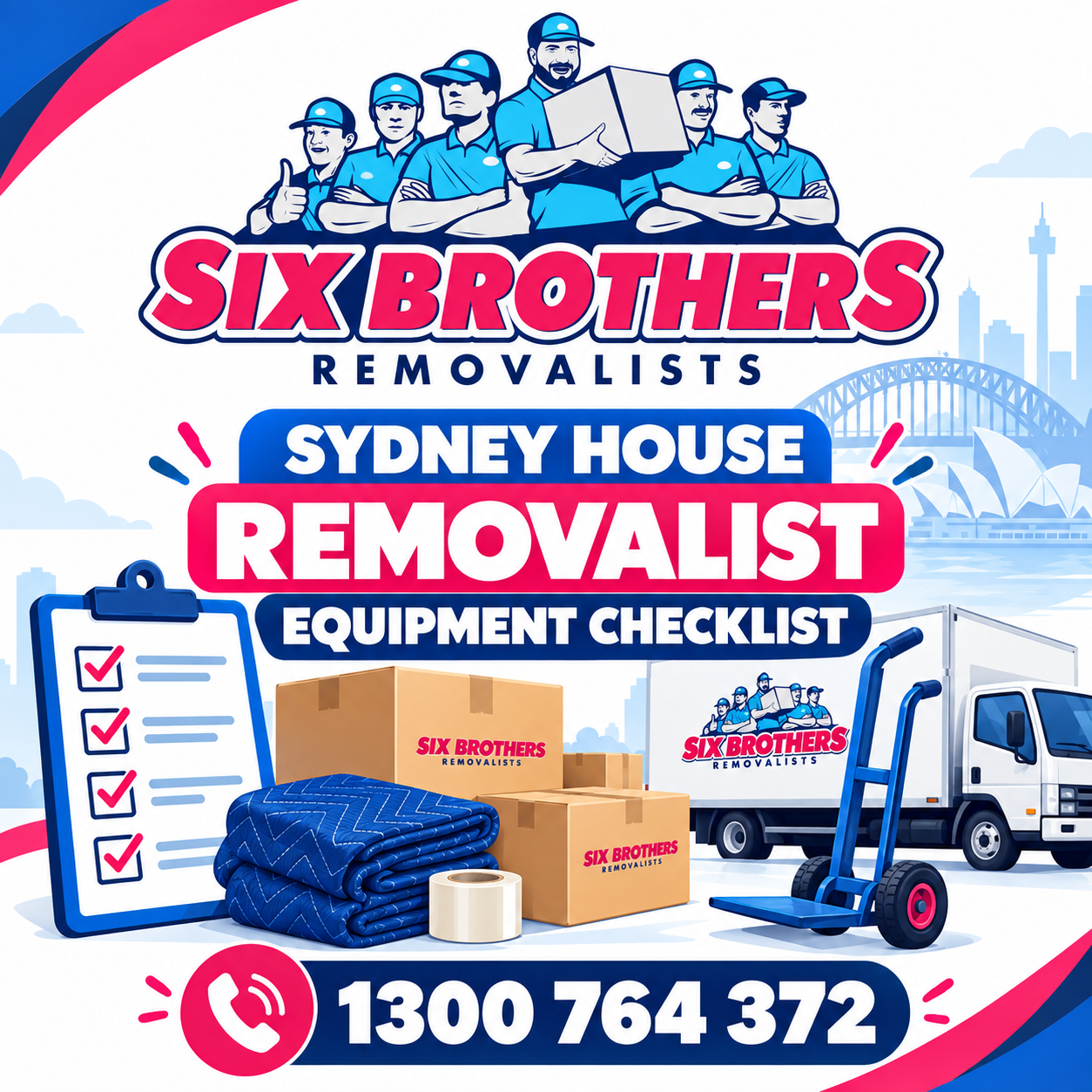
A strong checklist starts with the truck, handling gear, protection, restraints, and backup equipment. Each item should match your inventory and property access. Horses for courses applies to removal equipment.
Ask the removalist what arrives as standard. Then ask what needs advance booking or extra payment. Good planning should feel specific, not vague.
Check five basics first: suitable truck capacity, working trolleys, furniture protection, load restraints, and property protection. Then check stairs, weather, parking, and special items. The devil is in the detail.

Large-Scale Transit Equipment
Large-scale transit equipment should suit the move volume and the property route. A large truck can reduce trips. It can also become useless when access is too tight.
Sydney streets vary sharply between suburbs and property types. One size does not fit all. The truck and access plan should work together from the start.
The Right Truck Size
The right truck size should hold the planned load without creating an access problem. Review the Sydney house removalist truck before booking. It explains what to inspect inside and outside the vehicle.
House removalists Sydney should match capacity with inventory, parking, and driveway clearance. A bigger truck is not automatically better. Measure twice, move once keeps the choice practical.
Full service removalists Sydney may use different vehicle sizes across house types. Ask what happens if the load exceeds the planned capacity. A clear answer beats guesswork.
Hydraulic Tail Lifts
A hydraulic tail lift can reduce difficult lifting between ground level and the truck deck. It can help with appliances, heavy cabinets, and approved bulky items. Many hands still make light work.
Ask about lift condition, capacity, and operating space. The crew still needs a safe route to the platform. A tail lift cannot fix stairs or blocked access.
Ramps and Walkways
Ramps and walkways should be stable, suitable, and secure for the planned route. They can bridge kerbs, thresholds, or truck deck changes. Slow and steady wins the race on ramps.
Check surface grip, width, and clearance before moving day. Wet or uneven ground can change the setup. The crew should have another plan when the route becomes unsafe.
Loading & Moving Gear
Loading gear should reduce repeated carrying and uncontrolled movement. Trolleys, dollies, sliders, and straps support safer handling. Better safe than sorry applies to every heavy item.
SafeWork NSW identifies lifting, pushing, pulling, and carrying as manual tasks. Risk can increase with force or awkward posture. Suitable mechanical aids can form part of the controls.
Heavy-Duty Dollies & Trolleys
Heavy-duty dollies and trolleys should suit the load, surface, and route. SafeWork NSW lists mechanical lifting aids as an engineering control. It also stresses maintained equipment.
Check wheels, handles, frames, brakes, and visible rating labels. Look before you leap with heavy loads. A worn wheel can turn a simple hallway into trouble.
Appliance / Piano Trolleys
Appliance and piano trolleys need the right frame, wheels, and securing points. Fridges, washers, and upright pianos behave differently. The right tool for the job matters.
Piano removalists Sydney should explain the equipment and route before lifting starts. Piano removalist Sydney searches cannot prove that readiness. Ask how stairs, thresholds, and turns will be managed.
Furniture Slider Pads
Furniture slider pads can reduce dragging friction on suitable indoor surfaces. They are useful under some cabinets, tables, and heavy furniture. Easy does it when finishes are delicate.
Sliders do not suit every floor or item. Ask how the crew protects polished timber, tiles, and carpet. The floor type should guide the choice.
Did you know?
SafeWork NSW says hazardous manual task controls should consider the work area, equipment, load size, weight, and work system. Equipment choice is only one part of a safe moving plan.
In-Transit Furniture Protection
In-transit protection should stop rubbing, shifting, impact, and surface damage. Blankets, wrap, padding, and restraints perform different jobs. Do not put all your eggs in one basket.
Furniture removalists Sydney should explain how fragile and heavy goods are separated. A furniture removalist should also protect exposed edges and finishes. The truck should support that system.
Thick Moving Blankets & Felt
Thick moving blankets and felt protect surfaces from rubbing and light impact. They suit timber, painted finishes, and many large furniture pieces. A stitch in time saves nine with padding.
Ask whether the crew brings enough clean blankets for the full load. Thin or dirty blankets can create new problems. Protection should stay in place during transit.
Commercial Shrink Wrap & Bubble Wrap
Commercial shrink wrap can hold protective layers around suitable furniture. Bubble wrap can protect selected fragile surfaces and packed items. Wrap is a shield, not a restraint system.
Ask what materials are included and what gets charged separately. Too much wrap can also waste time. The method should match the item.
Heavy-Duty Tie-Down Straps
Tie-down straps help secure suitable loads against movement during transport. NHVR load restraint guidance shows restraint examples using webbing straps and rated structures. Proper restraint planning matters.
Check straps for cuts, damaged fittings, and poor condition. Do not cut corners with worn restraint gear. The anchor points must also suit the restraint method.
Disassembly & Special Access Tools
Disassembly and access tools should match furniture construction and property constraints. Beds, tables, doors, and stair routes may need preparation. Forewarned is forearmed when space is tight.
Movers assemble and disassemble different items under different scope rules. Ask what the crew will dismantle. Also ask what must be prepared before arrival.
Complete Toolkit
A complete toolkit should cover the fittings expected in your inventory. Our guide to house move equipment most DIYers forget to hire shows why small missing tools create bigger delays. Keep the right bits, spanners, and hand tools available.
The crew should label removed hardware and protect disassembled parts. Keep your ducks in a row with screws and brackets. Missing fixings can turn reassembly into a headache.
Stair-Climbing Equipment
Stair-climbing equipment must suit the stairs, item, and operator instructions. It is not a licence for risky handling. Look before you leap on narrow flights.
Check landing size, turn clearance, stair condition, and item balance. Some routes still need more crew members. Others need a different handling method entirely.
Property Protection Equipment
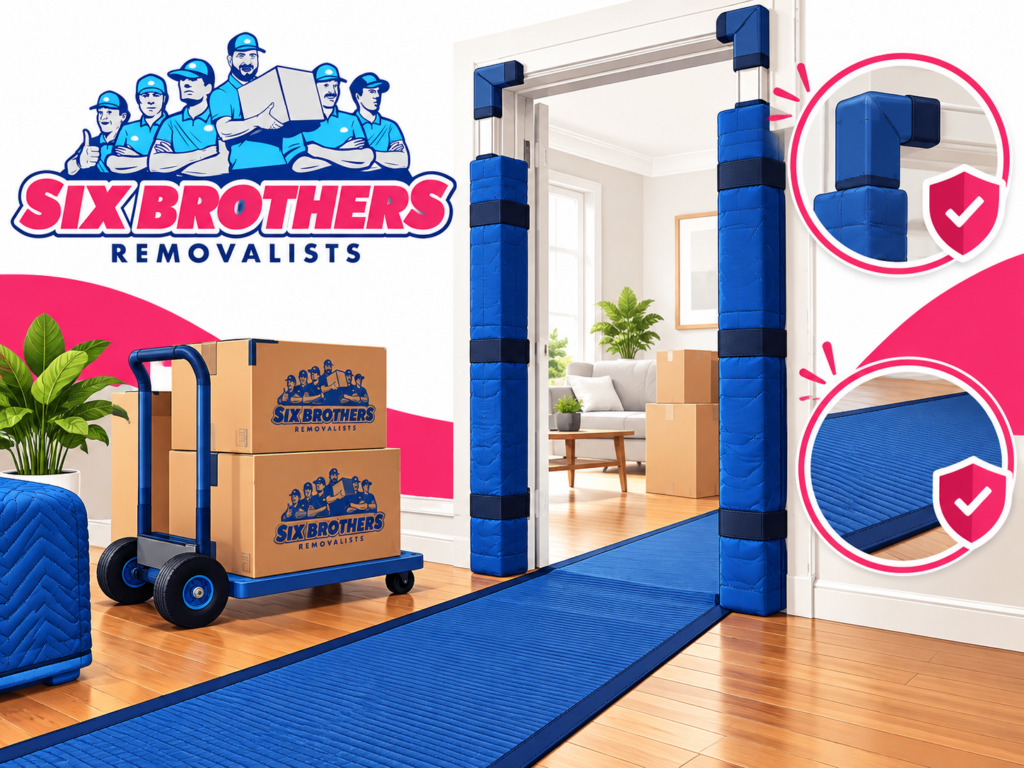
Property protection equipment should cover the surfaces most likely to get hit or marked. Floors, corners, doors, and stairs deserve a plan. Prevention is better than cure.
House removalists should discuss protection before carrying begins. The route matters as much as the furniture. One unprotected corner can see every large item pass beside it.
Floor and Carpet Protection
Floor and carpet protection should suit the surface and expected foot traffic. Mats, runners, and coverings need secure placement. Keep your feet on the ground with non-slip options.
Ask how wet shoes and trolley wheels are managed. Temporary protection should not become a trip hazard. Clean removal after the move also matters.
Doorframe and Corner Guards
Doorframe and corner guards protect high-contact points on the moving route. They matter around narrow halls and tight turns. The devil is in the detail at these pinch points.
Measure large furniture against the opening before movement starts. Guards do not create extra clearance. They only protect the space you already have.
Stair and Banister Protection
Stair and banister protection should cover contact points without blocking safe footing. Padding can protect rails and edges. Slow and steady wins the race on stairs.
Ask how the crew handles carpeted steps, polished timber, and narrow landings. The protection must stay secure. Loose coverings can create extra risk.
Truck Interior & Load-Securing Setup
The truck interior should be clean, dry, and ready for controlled loading. Anchor points and separation methods should support the load. A tidy ship makes a smoother trip.
Removalist truck hire alone does not guarantee a secure load. Professional loading needs a system. Heavy, fragile, and awkward items should not simply share empty space.
Clean, Dry Cargo Area
A clean, dry cargo area reduces dirt, moisture, and avoidable surface damage. Inspect the floor and walls before loading. Clean as you go is a good rule.
Look for water, debris, sharp edges, or loose items. Ask how wet equipment is separated. The cargo area should start ready for household goods.
Rated Anchor Points
Rated anchor points give the restraint system suitable attachment locations. Their condition matters as much as the straps. A chain is only as strong as its weakest link.
Ask where restraints attach inside the truck. Damaged or improvised points deserve questions. Load security should not rely on hope.
Load Separation and Blocking
Load separation and blocking help stop different items moving into each other. Heavy goods should not crush fragile cartons. Put first things first when building the load.
Ask how glass, appliances, furniture, and cartons stay separated. Interstate removalists need this discipline over longer distances. Interstate furniture removalists also need secure load zones.
Equipment-to-Property Compatibility
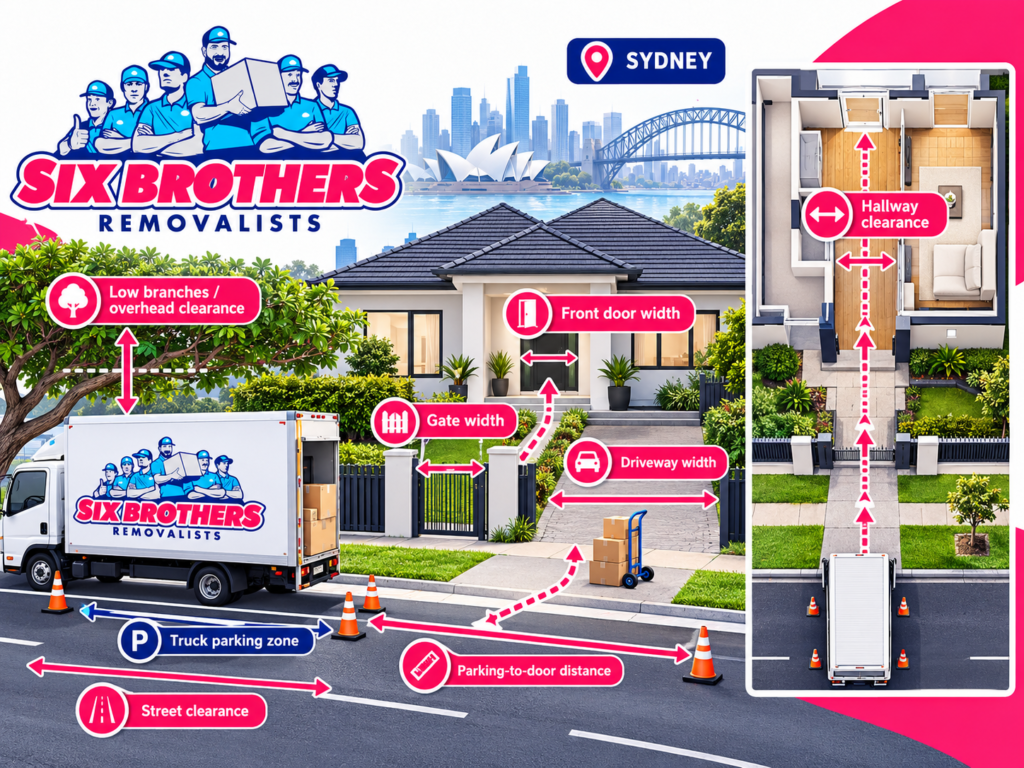
Equipment only works when it fits the property route. Driveways, streets, doors, halls, and carries can defeat oversized gear. Horses for courses matters across Sydney.
A removalist Sydney booking should include access questions before the truck arrives. Sydney removalists work across very different property layouts. Local planning should reflect that difference.
Driveway and Street Clearance
Driveway and street clearance decides how close the vehicle can reach the home. Check width, height, turns, signs, trees, and overhead risks. Know the lay of the land.
Removalists Western Sydney may face long driveways or wider suburban streets. Removalist North Sydney jobs can involve steeper approaches. Removalists Sydney CBD often face tighter loading access.
Doorway and Hallway Clearance
Doorway and hallway clearance should be checked against your largest rigid furniture. Measure width, height, and turning space. Measure twice, move once prevents awkward surprises.
Removalist Inner West Sydney jobs can involve terraces and sharp hallway turns. Removalists Eastern Suburbs Sydney may face older entries. Equipment must fit those routes too.
Parking-to-Door Distance
Parking-to-door distance changes the number of handling cycles during the move. The Sydney removalist service area covers properties with very different access patterns. Every extra metre repeats across many items.
Ask whether long carries change crew, trolley, or timing plans. A stitch in time saves nine with parking checks. Kerbs, gates, lifts, and slopes also affect the route.
Wet-Weather Moving Equipment
Wet-weather equipment should protect belongings while keeping walking surfaces controlled. Sydney rain can change a good route quickly. When it rains, it pours.
Ask what the crew brings when showers are expected. Covers, floor protection, and route changes should be ready. Waiting until everything is wet is too late.
Waterproof Covers and Tarps
Waterproof covers and tarps protect suitable items during exposed movement. They should fit securely without creating dangerous loose material. Keep your powder dry when clouds roll in.
Ask which items receive covers first. Mattresses, upholstery, and cartons need different protection. Covers also need a dry storage plan inside the truck.
Non-Slip Floor Protection
Non-slip floor protection should manage moisture without creating loose edges. Wet entries can become slippery fast. Better safe than sorry applies at every doorway.
Check that runners stay secure under foot and trolley traffic. The crew should replace unsafe protection quickly. A soaked sheet is not a professional solution.
Rain-Safe Loading Setup
A rain-safe loading setup reduces exposed time between home and truck. It may change staging, covers, and item order. Make hay while the sun shines when gaps appear.
Ask how electrical items and upholstered furniture are prioritised. The route should stay clear. Rushing through rain can create more problems than it solves.
Equipment Condition & Backup Readiness
Equipment condition matters because a good plan can fail with broken gear. Serviceable tools, spare straps, and backup trolleys create resilience. Do not leave it to chance.
Good removalist companies should inspect equipment before jobs. Ask what happens when a trolley or ramp fails. The answer shows whether backup planning is real.
Serviceable Equipment
Serviceable equipment should work as intended and show no obvious defects. Wheels should roll cleanly and handles should stay secure. The proof is in the pudding.
Ask how often equipment is checked and replaced. Good removalists Sydney should not rely on damaged gear. Maintenance supports the whole move plan.
Wear and Damage Checks
Wear checks should cover straps, wheels, welds, ramps, padding, and fittings. Frayed or cracked gear deserves attention. Nip problems in the bud before loading starts.
Customers do not need to run a workshop inspection. Visible damage is still worth questioning. A professional crew should explain or replace suspect gear.
Backup Gear Availability
Backup gear protects the schedule when standard equipment becomes unusable. Spare straps and an extra trolley can save time. Have a Plan B, not just crossed fingers.
Ask whether backup equipment rides in the truck or stays nearby. Remote jobs may need stronger preparation. A backup plan should match the move risk.
Equipment Costs & Quote Inclusions
The quote should show what standard equipment is included and what costs extra. Cheap removalists can still become expensive when exclusions appear later. Read the fine print.
Cheap removalists Sydney and budget removalists Sydney are common search terms. Price labels do not explain equipment readiness. Compare scope, access, materials, and specialist gear.
Standard Equipment Inclusions
Standard inclusions should be stated before booking. Ask about trolleys, blankets, straps, basic tools, and floor protection. Get it in black and white.
Use the inventory to test whether standard gear is enough. Full service removalists Sydney may package more equipment. The written scope should still name what matters.
Specialist Equipment Charges
Specialist equipment charges should be explained before the move. Piano gear, stair equipment, or special protection may need planning. No surprises is the aim.
Piano removalists and specialist furniture removalists should explain extra equipment clearly. Recommended removalists Sydney should make those charges easy to identify. Ask before signing.
Packing Material Charges
Packing material charges can include cartons, wrap, tape, and protective materials. Use the moving home calculator to organise your inventory before comparing needs. A clear count makes pricing easier to understand.
Ask what materials can be returned or reused. Penny wise can become pound foolish with weak packing. Protection should fit the item, not just the price.
Professional Verification & Crew Checks
Professional checks should confirm insurance, crew size, and the written equipment plan. Equipment without trained people solves little. Many hands make light work when roles are clear.
Whether you compare a removalist near me or removalists near me, ask the same questions. Search labels are not proof. Documents, planning, and clear answers matter more.
Transit Insurance
Ask what transit insurance or cover applies to your move and what it excludes. Do not assume every loss or damage event is covered. Read the fine print.
Interstate removalists and an interstate removalist may face longer transport exposure. International removalists operate under different arrangements again. Confirm the policy that applies to your booking.
Crew Size Alignment
Crew size should match volume, stairs, access, and heavy-item demands. Two people may suit one job and fail another. Horses for courses applies to staffing too.
House removalists, office removalists, and furniture removalists need different role mixes. Office removalists Sydney may need staged equipment moves. House removalist Sydney work may need more carrying capacity.
Written Agreement
The written agreement should match the equipment and access plan discussed before booking. Include known specialist gear and material charges. Get it in black and white.
Searches for best removalist Sydney or best Sydney removalists cannot replace written scope. Good removalists Sydney should explain assumptions. So should any removalist in Sydney you compare.
Equipment Red Flags Before Booking
Equipment red flags include visible damage, missing essentials, and no backup plan. A low quote should not make those signs disappear. If it looks wrong, ask.
You may compare removalists, a removalist, or several removalist companies. The equipment questions stay the same. Do not judge readiness from a logo or price alone.
Damaged or Worn Gear
Damaged or worn gear can undermine handling and protection. Look for frayed straps, cracked wheels, torn blankets, and bent frames. Do not sweep warning signs under the rug.
Furniture removalist Sydney crews should be willing to replace suspect gear. Furniture removalists in Sydney depend on serviceable equipment. Your furniture should not become the test case.
Insufficient Equipment
Insufficient equipment often creates extra carrying, waiting, or improvised handling. One trolley may not support a large house move. Do not put the cart before the horse.
Sydney home removalists and home removalists Sydney should scale gear with volume. Sydney house removalists should also scale protection. Bigger inventories need more than wishful thinking.
No Backup Equipment
No backup equipment leaves little room when something breaks or becomes unsuitable. Ask what happens after a failure. Hope is not a plan.
The same rule applies to local and interstate furniture removalists. It also applies to removalists Melbourne and removalists Brisbane. Local conditions differ, but backup thinking still matters.
People also search removalist furniture or removalist truck hire when planning parts themselves. A professional service should explain what it supplies. That clarity helps you avoid duplicate hires.
FAQs
How to Choose a Removalist in Sydney?
Choose a removalist that asks about inventory, access, parking, stairs, and special items. Then confirm the planned truck, crew, protection, and handling gear in writing.
What to Ask a Removalist Before Hiring?
Ask what equipment arrives as standard, what costs extra, and what backup gear is available. Also ask how changed access can affect the plan.
What equipment should a Sydney house removalist bring?
The exact list depends on the property and inventory. Common needs include a suitable truck, trolleys, blankets, restraints, tools, and property protection.
Does a bigger removalist truck always mean a better move?
No. A larger truck can create access problems on narrow streets or driveways. Capacity and property access must be assessed together.
Should removalists bring floor and doorway protection?
Ask before booking. Protection needs vary by property and service scope. The quote should explain what protection is included.
Do removalists need special equipment for pianos and heavy appliances?
Often, yes. The item, route, stairs, weight, and manufacturer guidance can require specialist handling equipment or more crew members.
What should I do if the removalist equipment looks damaged?
Raise the concern before loading starts. Ask the crew to inspect or replace questionable gear. Do not ignore damaged restraints or handling equipment.
Six Brothers Removalists can discuss the truck, crew, access, and protection plan before moving day. Call 1300 764 372 or email info@sixbrothersremovalist.com.au. Better preparation makes the whole job easier.