
Table of Contents
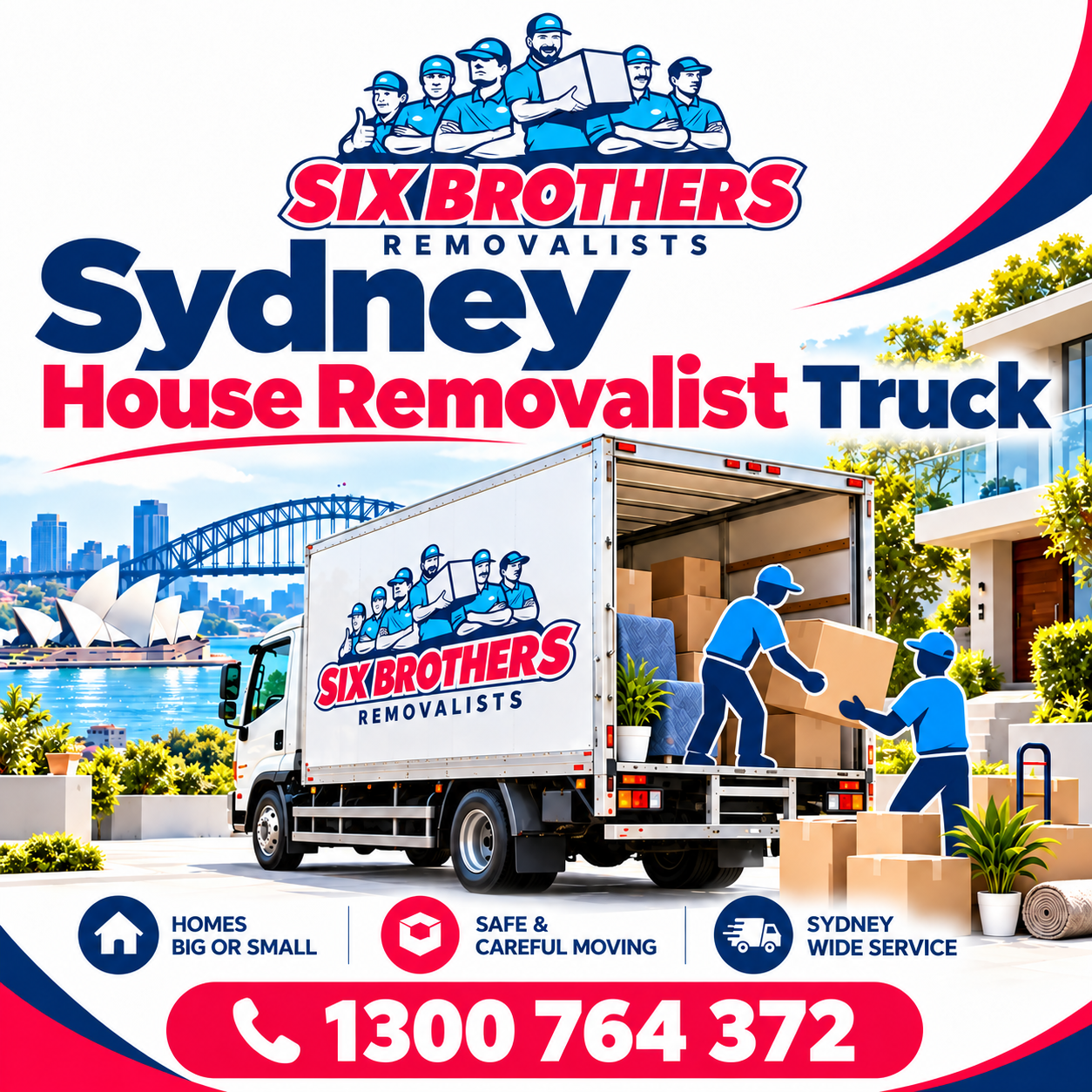
A Sydney house removalist’s truck should be enclosed, clean, secure and correctly sized. Its equipment should protect furniture before the first box goes aboard. The crew should also know where it can park safely.
A polished paint job tells you very little. Ask what is inside, how the load stays secure and whether the truck fits your street. This checklist helps you check the vehicle before paying a deposit.
Exterior and Body Features
Start with the truck body, because it protects every item inside. Look for a closed cargo area, sound doors and safe loading access. A truck that looks tidy outside still needs a closer check.
Fully Enclosed Pantech Body
A fully enclosed pantech body gives household goods a protected cargo area. Solid walls and a roof help shield boxes, furniture and bedding from weather and road grime. Doors should close and latch properly.
That doesn’t make the vehicle waterproof or damage-proof. Ask how the crew checks the seals before loading. A covered body is a starting point, not a substitute for wrapping and restraints.
Weatherproof Sealing
Weatherproof sealing helps keep rain away from your belongings. Check the roof joins, rear door edges and rubber seals for visible gaps. Look for water marks or damp patches inside.
Sydney weather can turn quickly, especially during a long loading window. The crew should also keep blankets and wrapping dry. Damp materials can transfer moisture onto timber and upholstery.
Proper Clearance & Sizing
Proper clearance means checking the entire route before the truck arrives. Height, width and turning space matter at both properties. Look at branches, carports, gates and basement entry signs.
A narrow street in Newtown creates different problems from a broad driveway in Blacktown. Share photos of tight turns and low entrances. Ask whether the planned vehicle can use them legally.
Hydraulic Tail Lift
A hydraulic tail lift can help move suitable heavy items between ground and deck level. Its rated capacity must suit the item and handling method. The crew should control the area around the lift.
A tail lift isn’t essential for every house move. Some trucks use ramps or other suitable methods. What matters is a safe plan for each large item.
Did you know?
An enclosed body protects against exposure. It does not stop an unsecured item shifting during braking. Ask about the restraint plan, too.
Specialized Interior Fit-Out
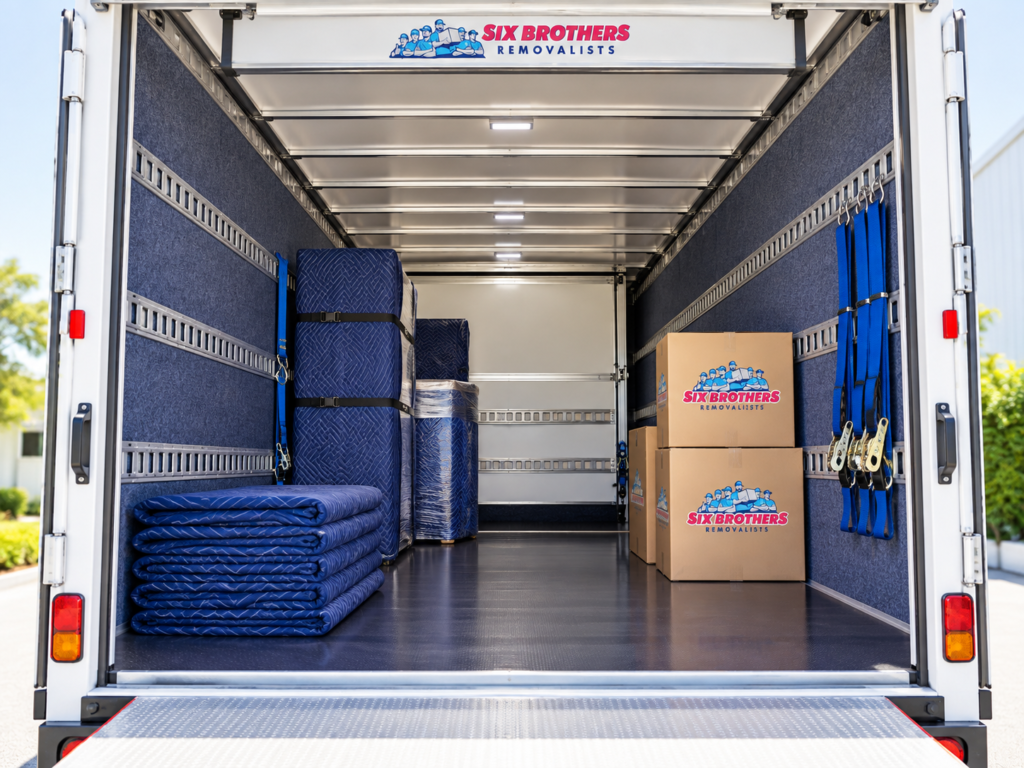
The interior fit-out should help the crew secure and separate different belongings. Check the rails, padding and floor together. These details matter more than matching paintwork.
Tie-Down Rails (Friction Rails)
Tie-down rails provide attachment points for suitable restraint equipment. Ask where straps attach and whether those points suit the planned load. Rails alone cannot hold a cabinet in place.
Some movers call these friction rails, but the terms are not interchangeable. Friction comes from contact between surfaces and suitable restraint methods. Ask to see the actual anchoring system.
Internal Padding or Felt Lining
Internal padding or felt lining can reduce rubbing against hard wall surfaces. Check that it is clean, dry and securely fixed. Loose lining should not fall onto packed items.
Wall padding does not replace item-level protection. Timber corners, glass and polished finishes still need careful wrapping. The loading plan should prevent those surfaces touching other goods.
Clean, Smooth Flooring
Clean, smooth flooring makes moving equipment easier to handle. It should also be dry and free from splinters, exposed screws and loose debris. Ask the crew to check traction before loading.
A smooth floor can still be slippery. Boxes and furniture need the right positioning and restraints. Cleanliness and grip both matter.
Interior Equipment and Safety
A properly prepared truck carries the equipment needed for your inventory. Ask what arrives with the crew, not what the company owns elsewhere. The difference matters on removal day.
Removalist Blankets and Padding
Removalist blankets help protect furniture surfaces during handling and travel. A removalist furniture kit may include blankets, corner pads and suitable covers. The crew should use enough for the actual load.
Ask how they protect a dining table, bed frame and sideboard. Different shapes need different coverage. Thin padding over a sharp edge may not be enough.
Trolleys and Dollies
Trolleys and dollies help move suitable heavy or bulky items. The crew should match the equipment to its load and the path. Wheels also need to suit the surface.
A fridge trolley may suit an appliance but not a fragile cabinet. Stairs and uneven ground change the handling plan. Ask what happens when wheels cannot be used.
Floor Protection
Floor protection should cover vulnerable areas on the route into the truck. Suitable runners or boards may protect timber floors and busy doorways. The crew must keep every piece flat.
Loose coverings create trip hazards. Ask about stair edges, entry tiles and wet paths. Protection should make the move safer, not harder.
Protective Wrapping
Protective wrapping should match the item’s material and shape. Use suitable covers for mattresses, upholstery and delicate surfaces. Fragile corners may need extra cushioning.
Plastic film can hold covers together, but it is not padding. Avoid wrapping sensitive finishes without checking material compatibility. Ask about the plan for mirrors and artwork.
Securing Gear
Securing gear keeps goods from shifting when the truck brakes or turns. Look for serviceable straps, suitable attachment points and a clear loading plan. Damaged straps should not be used.
The NHVR load restraint guide explains how restraint methods depend on the load. Friction alone may be insufficient for unstable furniture. The crew must choose suitable restraint, blocking or containment.
Disassembly Tools
Disassembly tools help crews remove suitable legs, frames and fittings safely. Ask which items need dismantling before moving day. Keep all screws and parts labelled with their furniture.
Not every item should be taken apart. Some flat-pack products do not tolerate repeated disassembly. Check manufacturer guidance and agree on reassembly within the quote.
What Should You Check About a Removalist Truck’s Condition Before Loading?
Check the truck’s condition before your belongings go inside. Start with dryness, cleanliness and visible damage. Then look at the loading equipment and door operation.
Open the cargo area and check for strong odours, sharp edges or loose fixtures. Look for worn straps and missing protective materials. Confirm doors, ramps and any tail lift work as intended.
You don’t need to inspect the engine yourself. Ask whether the vehicle is maintained and suitable for the job. The operator remains responsible for its roadworthiness and safe operation.

Professional Branding & Legality
Branding helps identify the booked operator, but legality comes from compliance. Check the booking details and vehicle identification. A logo alone is not proof of safe handling.
Clear Commercial Livery
Clear commercial livery makes a truck easier to recognise at your property. The business name should match your booking where branding is used. Unbranded subcontracted vehicles deserve a clear explanation.
Ask who owns or operates the assigned truck. Confirm who supervises loading and answers damage questions. A trustworthy answer is specific, not vague.
Heavy Vehicle Compliance
Heavy vehicle compliance starts with the correct registration and operating conditions. In NSW, vehicles over 4.5 tonnes GVM are classified as heavy vehicles. The driver needs the appropriate licence class.
The operator must respect applicable mass, dimension and route restrictions. Ask whether the truck’s legal payload can carry your estimated load. Cubic metres and tonnes measure different things.
The crew must also secure the load appropriately. A neatly packed truck can still be overweight. Avoid treating vehicle capacity as a licence to fill every gap.
Size Scaling for Sydney Streets
Truck size should suit both your inventory and your street. Bigger vehicles need more access space and may face route restrictions. Volume labels are useful only when checked against real dimensions.
Small/Medium Trucks (14–25 m³)
Small and medium trucks around 14–25 m³ may suit smaller inventories and tighter access. Actual capacity varies by vehicle and fit-out. Ask for the assigned truck’s usable volume and payload.
These vehicles can be practical around some inner-city properties. They are not automatically suitable for every narrow street. Parking, height and turning space still need checking.
Large Trucks (35–55+ m³ / 10–12 tonne)
Large trucks around 35–55+ m³ can reduce trips for bigger inventories. The outline’s 10–12 tonne figures must be confirmed as the vehicle’s stated rating. They are not a universal payload figure.
A large detached home may justify more space. A terrace with a tight approach may require another plan. Ask whether the operator expects one trip or multiple loads.
Can a larger truck access every Sydney street? No. The route must allow its height, length, mass and safe turning. Check access before accepting a large-truck quote.
Why choosing the right truck size matters ?
The right truck size balances usable space, safe payload and practical access. An undersized vehicle can mean extra trips. An oversized vehicle may create parking problems or longer carries.
Picture a huge truck stuck one street from your front door. The spare volume offers little help then. Matching the route matters as much as matching the inventory.
For context, compare renting three trucks vs hiring removalists before choosing a DIY truck plan. The comparison helps frame trips, labour and equipment. Your final choice still depends on the actual move.
How to Choose the Right Moving Truck Size in Australia ?
Choose the truck by measuring your load, then checking both properties and the route. Start with larger furniture, packed cartons and any special items. Include outdoor goods and garage contents.
Next, share the access details with your removalist. Note stairs, lifts, parking distance and low clearances. Ask how these factors change the assigned vehicle or loading plan.
The home moving calculator can help organise your inventory before requesting a quote. Compare the estimate with a survey or detailed discussion. The result is a starting point, not a guaranteed truck size.
A good quote names the planned vehicle or explains how selection works. Ask what happens if the inventory changes. Confirm any extra-trip implications before removal day.
How Can You Verify the Removalist’s Truck Before Booking?
Verify the truck by asking for its planned size, interior photos and equipment list. Request a vehicle or equivalent example for your booking. Confirm whether another truck could be assigned.
Ask how the crew protects furniture and manages an unexpected access issue. A detailed answer should fit your property. Generic promises leave too many questions open.
A search for removalists Sydney will not confirm which truck will arrive. When comparing Six Brothers Removalists with other removalist companies, request the same details. Keep the agreed scope with your quote.
What Should a Proper Truck Parking and Loading Setup Look Like at a Sydney House?
A proper setup gives the truck lawful parking and the crew a safe loading path. Check kerb signs, driveway access and nearby traffic. Never plan to block a footpath or driveway.
The NSW parking rules explain loading zones and stopping restrictions. A loading zone is not an all-day removalist bay. Check signed conditions and relevant time limits.
A Parramatta apartment may need building approval for the loading dock. An Inner West terrace may need a different vehicle or longer carry. Confirm arrangements with the building manager or relevant council.
Keep pedestrians clear of moving equipment where possible. The crew should have a plan for ramps, trolleys and unloading. Do not assume traffic cones give permission to reserve road space.
How Should Furniture and Fragile Items Be Arranged Inside the Truck?
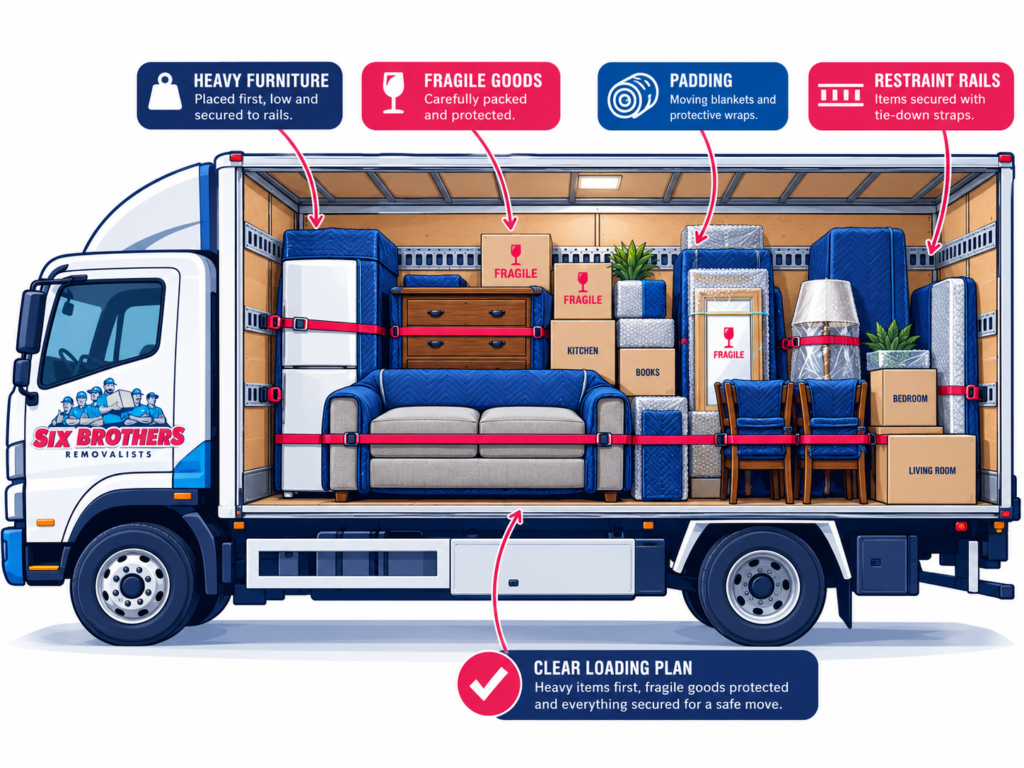
Furniture and fragile items should be arranged around stability, weight and protection. Heavier pieces need secure positions and suitable restraint. Fragile cartons should not carry heavy furniture loads.
Place wrapped furniture where its shape allows stable support. Keep glass, mirrors and artwork protected from pressure. The crew should know which boxes contain delicate goods.
Blankets act like a protective jacket, not a seatbelt. Straps and suitable blocking address movement. A careful loading plan uses both when needed.
If you need a furniture removalist for heavy or delicate pieces, describe them before booking. That helps the operator plan equipment and handling. Ask about any special requirements in writing.
How to Maximise Space in a Moving Truck ?
Maximise space by measuring, sorting and packing before loading starts. Use sturdy cartons with manageable weights. Label them so the crew can stack suitable boxes together.
Remove detachable parts only when the furniture allows it. Protect each part and keep its fittings labelled. Don’t turn packing into a game of squeezing fragile items into gaps.
The guide on house move equipment most DIYers forget to hire covers overlooked essentials. Space is only one part of planning. Handling tools and protection also need room. The safest load may leave some volume unused.
How Should a Removalist Truck Separate Your Belongings From Other Customers’ Goods?
A shared-load truck should keep each customer’s goods identifiable and securely separated. Ask whether your move uses a dedicated truck or a shared arrangement. Never assume the booking includes exclusive space.
For interstate removalists or interstate backloading, confirm the inventory and delivery plan. Labels, partitions and separate loading zones may help. The arrangement must also keep the overall load secure.
Whether you compare house removalists, office removalists or interstate furniture removalists, ask who tracks each item. Piano removalists and international removalists may need different handling plans. The same question applies when browsing removalists Melbourne or removalists Brisbane.
Searches like removalists near me, removalist near me or cheap removalists show local options. Those phrases do not reveal the truck’s condition. Ask for practical proof before choosing a furniture removalist or interstate removalist.
Removalist truck hire can suit a DIY move, but hired trucks still need proper restraint. Confirm its equipment and lawful loading capacity. Avoid assuming a cheap vehicle means a lower total moving cost.
Your next step is simple. Send your inventory and access details for a free quote. Call Six Brothers Removalists on 1300 764 372, or email info@sixbrothersremovalist.com.au.
FAQs
Does a Sydney house move need an enclosed pantech?
For a typical whole-house move, an enclosed truck is a sensible choice. Ask about any specialist vehicle needed for unusual items.
Should a removalist truck have a tail lift?
Ask whether your inventory needs one. A piano, safe or heavy cabinet requires item-specific handling, not an automatic tail-lift promise.
How do removalists keep furniture from moving?
They position items carefully and use suitable restraints. Padding protects surfaces but does not replace load security.
How to Choose a Removalist in Sydney?
Compare written quotes, actual vehicle plans and access checks. Ask who will load your goods and what equipment arrives.
What to Ask a Removalist Before Hiring?
Ask about truck size, access, restraint equipment, item protection and the assigned crew. Request written confirmation of key arrangements.
Can I ask for a photo of the truck before booking?
Yes. Request a current photo or suitable vehicle example. Ask whether the pictured equipment will be available on your move.
Can my goods be loaded with another customer’s goods?
They can be when the agreed service allows shared loading. Ask how goods stay separated, labelled and accounted for.