


Table of Contents
Six months sounds like plenty of time to move house. Then settlement dates shift, school forms pile up, and the garage turns into a mystery box. A six month moving house checklist gives every job a place on the calendar. This plan takes Sydney homeowners from their first budget discussion through the final key handover. It covers property decisions, removalist bookings, family needs and the small access problems that can derail moving day.
Start with one shared planner. List each task, its owner, its deadline and its status. Keep all property documents and quotes in the same folder. Think of this plan as a runway, not a race. You can start early without packing your kettle in April for an October move.

Months 6 to 5: The Financial and Legal Foundation
The first six weeks are for decisions, not cardboard boxes. Lock in your spending limits and ask your conveyancer about property deadlines. The sensible rule is to get the paperwork right before choosing a removals date. In suburban Sydney, one late settlement can affect two households, one truck booking and several school arrangements.
Month 6: Strategy & Budgeting
Build a moving house timeline NSW families can actually follow. Record your preferred suburb, sale or lease status, expected settlement date and realistic backup dates. Then list your non-negotiables. These might include school access, a ground-floor bedroom or room for a piano.
Separate the house purchase from the house relocation. They have different deadlines and different decision-makers. Your solicitor or conveyancer manages the legal steps. Your removalist coordinates the belongings, packing and vehicle access. Assign one family member to keep both calendars aligned.
Establish the Move Budget
Create separate budget lines for settlement, removalists, packing, storage and first-week costs. Include inspections, cleaners, utility connections, tolls, childcare and pet care. Leave a contingency amount based on your own financial capacity. There is no single safe percentage for every household.
A three-bedroom house in Blacktown may take a different crew from a steep-site home in the Hills District. Furniture volume, access, distance and services drive the price. To build a useful early estimate, use the home moving calculator before requesting a tailored quote.
| Budget item | Check before committing | Evidence to keep |
| Property transaction | Deposit, duty, conveyancing and lender costs | Written advice and settlement statement |
| Removalists | Crew, truck, timing, access and inclusions | Itemised written quote |
| Packing | Cartons, padding and optional packing help | Supply list and service scope |
| Holding costs | Storage, extra nights and insurance | Booking terms and cover documents |
| Handover | Cleaning, repairs and disposal | Receipts and condition photos |
Review the Six-Month Property Rule
The phrase ‘six-month property rule’ can mean different things in NSW. Don’t treat it as one deadline. The Revenue NSW principal place of residence guidance describes several land-tax rules, including a moving-between-homes concession. Eligibility depends on dates, ownership, occupation and other conditions.
There is also an older first-home-buyer residence rule. For relevant contracts from 1 July 2023, eligible buyers generally must move in within 12 months. They must then live there for 12 continuous months. Earlier eligible contracts can have different requirements. Ask your conveyancer which rule applies to your transaction. Never assume a six-month moving plan determines your tax position.
Did you know?
For relevant NSW first-home-buyer contracts from 1 July 2023, the residence rule became 12 continuous months. The earlier six-month rule does not apply to every new purchase.
Verify Revenue NSW Concessions
Check whether transfer duty relief actually applies before building it into your budget. NSW first-home-buyer help depends on eligibility, property value and contract dates. Existing homeowners generally shouldn’t assume they qualify for first-home-buyer concessions. Ask your conveyancer to confirm the current figures and application documents.
Put important finance and legal dates in your shared calendar. Add contract exchange, finance approval, inspection and settlement milestones. Keep copies of any Revenue NSW advice beside your settlement documents. This small step avoids relying on a remembered conversation.
Months 5 to 4: House Hunting & Prep
Use months five and four to test how a home works for your family. A stylish floorplan can hide a narrow side gate, steep driveway or tight staircase. Inspect access as carefully as the kitchen. The grass isn’t always greener when a couch won’t fit upstairs.
Walk the route from the street to the main living areas. Note low branches, garage heights, parking signs and stairs. Check where a full-size removals truck might legally stop. Photograph access points with permission and save measurements for your quote.
If you’re selling too, ask your agent when photographs, styling and open homes will happen. Keep daily-use belongings separate from sale-preparation boxes. Avoid buying furniture until you’ve measured the new rooms. Put settlement assumptions in writing with your conveyancer rather than relying on an agent’s casual forecast.
For homes around Parramatta, Castle Hill and Penrith, commute times vary sharply. Test school drop-off and work routes at their actual busy hours. A familiar postcode can still produce a very different weekday routine.
Months 4 to 3: Spatial Planning and Strategic Decluttering
Months four and three are ideal for deciding what deserves a place in the new home. Taking everything only creates a larger bill and more unpacking. Don’t carry yesterday’s clutter into tomorrow’s lounge room.
Run a Structural Inventory
Create a household moving inventory with each room’s large items first. Record bed sizes, wardrobes, dining tables, whitegoods and heavy garden equipment. Mark items needing dismantling or two-person lifting. Photograph valuable pieces and note visible marks before packing.
Use a simple status system: keep, sell, donate, recycle or decide later. For each large item, write down height, width, depth and any special handling. Share the final version when asking removalist companies for quotes. A quote based on an accurate list is easier to compare.
Offload Assets Locally
Start with spare furniture, duplicate appliances and unused garage equipment. Try local community groups, reputable donation services or a planned garage sale. Check each charity’s acceptance and collection rules before promising an item. A last-minute kerbside pile can become an expensive problem.
Keep a cut-off date for selling large items. If something hasn’t sold by then, choose a backup plan. Don’t leave collections until settlement week. The buyer of your home expects the agreed inclusions, not your unwanted cupboard.
Perform a Spatial Audit
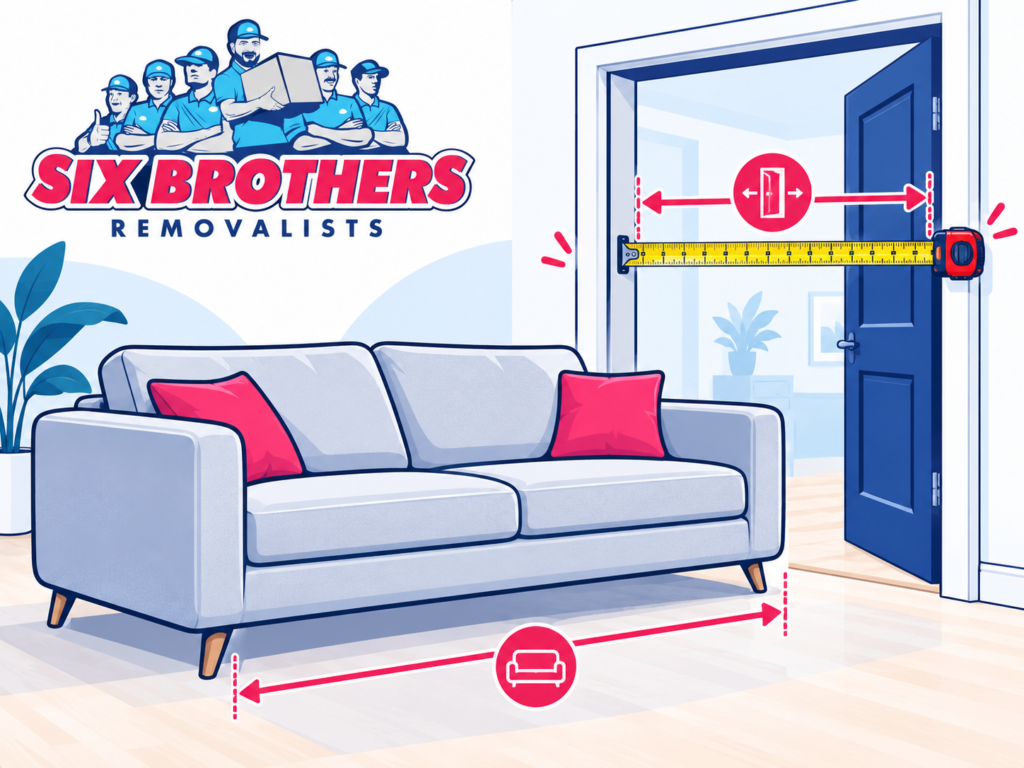
Measure door openings, hallway turns, ceiling heights and stair landings. Compare those figures with your furniture inventory. Sketch where beds, sofas and major appliances will sit. This is especially useful when downsizing from a large family home.
Check the fridge recess, washing machine connections and outdoor access. Mark any item that needs a specialist team. A grand piano, large mirror or commercial-grade gym frame deserves more thought than another standard carton.
Month 2: Securing Contractors and Logistics
By month two, move from estimates to written bookings. Good timing reduces rushed decisions, but every provider has different availability. The early bird gets a better choice of dates, not a guaranteed discount.
Months 3 to 2: Contracts & Booking
Ask your conveyancer when the likely possession date becomes reliable. Keep your removal booking flexible until that position is clear. Check the contract’s change and cancellation terms before paying a deposit.
Make a contractor schedule for cleaning, pest treatment, appliance servicing and any minor repairs. Avoid stacking every trade on the same morning. Include realistic travel and key-collection buffers. If buying and selling together, make the sequence clear to everyone involved.
Lock in Premium Removalists
Compare two or three detailed quotes for the same inventory and services. Ask about crew size, truck size, minimum booking periods, travel charges and stairs. Confirm the process for fragile items and last-minute settlement changes. Don’t compare an hourly estimate with a fixed-price scope as though they’re identical.
Sydney search results mix house removalists, furniture removalists and office removalists. Pick a provider suited to your actual household. Someone searching ‘removalists near me’ or ‘removalist near me’ should still check written terms. A local removalist isn’t automatically the right choice for every specialist item. People searching ‘removalists sydney’ should check scope first.
For a suburban relocation, compare the logistics described by Sydney removalists. Ask specifically how the crew will handle both properties. Six Brothers Removalists can prepare a quote using your inventory, access details and preferred dates. Confirm what is included in writing before accepting.

Book Council Waste Pickups
Check the bulky waste rules for your own local council. Booking windows, accepted items and collection limits vary between Sydney council areas. Councils may reject tyres, chemicals, paint or some electrical goods. Don’t put rubbish outside before your allowed collection time.
Arrange separate disposal for hazardous materials and unsuitable items. Take photos of anything handed to a licensed service. Keep the driveway clear for the removalist truck. A tidy departure costs less effort than an urgent rubbish run.
Source Packing Materials
Calculate materials from your inventory, not from the number of bedrooms alone. Kitchens, bookshelves, garages and fragile collections change the carton count. Buy small sturdy boxes for books and larger ones for light bedding. Add tape, paper, labels and furniture protection.
If you plan to hire packers, establish who supplies the boxes. Ask whether the service includes dismantling, wrapping and unpacking. For a larger Sydney house, spread deliveries over two stages. It saves storage space while rooms remain in use.
Month 1: Packing Infrastructure and Administration
The final month is for steady packing and removing administrative loose ends. Keep a clear path through every room while boxes build up. Slow and steady beats an all-night packing marathon.
Weeks 4 to 2: Utilities & Admin
Set up one moving house change of address checklist Australia households can reuse. Start with banks, insurers, schools, employers, healthcare providers and subscription accounts. Check whether mail redirection is useful for your circumstances. Track confirmation numbers and service dates together.
When changing ownership, ask the relevant providers about account transfers and final meter readings. Electricity, gas, water and internet arrangements can have different processes. Don’t assume a property settlement automatically updates every account.
Execute Phase-One Packing
Pack decorations, seasonal clothing, spare linen and rarely used books first. Label each carton with its destination room and a short contents description. Number valuable or fragile cartons against your inventory. Avoid writing a detailed list of valuables on the outside.
A garage often needs more time than expected. Separate batteries, fuel, chemicals and tools before packing. Ask your removalist about prohibited or restricted items. Keep essential documents, medicines and keys out of the truck.
Coordinate Utility Transitions
Confirm electricity and gas connection dates at both addresses. Photograph final meter readings when practical. Ask your water provider or conveyancer who handles changes linked to settlement. Book any technician visits for dates when legal access is assured.
Check what must stay connected for the property’s final inspection. Never disconnect essential utilities merely to match your packing schedule. Put important account numbers in a private file, not on box labels.
Plan the NBN Handovers
Contact your preferred internet provider before moving day. Tell them the new address and anticipated access date. Connection lead times depend on the existing network setup and provider. Confirm whether someone must attend an installation appointment.
Don’t assume you can take every connection device with you. Some network equipment must remain at the property. Ask your provider which equipment is yours to move. Keep a mobile data backup for work, school and account access during the changeover.
The Final Week: Handovers and Settlements
Treat the final week as a controlled handover, not another shopping trip. Check the truck arrival details and confirm the keys timetable with your conveyancer. Good preparation means fewer moving-day surprises. There’s no prize for doing everything at once.
Week 1 & Moving Day: Execution
Confirm the crew, arrival window and contact number directly with the company. Set aside a clear parking route and remove trip hazards. Protect children and pets from loading areas. Keep an authorised person available to answer item and access questions.
If settlement hasn’t completed, do not assume you’re entitled to enter the new property. Arrange the moving sequence with your conveyancer. For added detail, use this three-month moving house checklist to check shorter-range preparation tasks.
Pack a First-Night Survival Kit
Pack medication, chargers, basic toiletries, pyjamas, towels and bedding separately. Add snacks, water, pet food and children’s comfort items. Keep important contracts and identity documents with you. Make the kettle and mugs easy to find.
Prepare one labelled bag for each family member. Include a basic cleaning kit and toilet paper. This small buffer gives everyone room to settle. It is better than digging through forty cartons at bedtime.
Update Sovereign Registrations
Update your NSW driver licence and vehicle registration address through the appropriate government services. Review electoral enrolment and toll accounts separately where needed. Also check parking permits, pet registration and any licences tied to your address.
Keep screenshots or confirmations for completed changes. A change made in one account doesn’t always update another. If you’re moving between council areas, check which local registrations require a new application.
Conduct the Final Walkthrough
Open every cupboard, attic hatch, storage cage and garden shed. Check under stairs and behind appliances. Photograph each empty room and report any accidental damage promptly. Compare fixtures, keys and remotes with the sale or lease agreement.
Before leaving, review the final house inspection checklist. It helps separate cleaning, condition and handover tasks. Leave no loose rubbish or forgotten tools. Then make one last sweep of the letterbox and side paths.
Choosing the Best Moving Date in Sydney
Pick a moving date that works for settlement, family needs and truck access. The cheapest-looking day isn’t always the least expensive overall. A half-day delay can upset every booking around it. Measure the full cost, not just the hourly rate.
School Holidays vs Term Time
School holidays may give children time to settle without missing classes. They may also increase childcare needs and family travel traffic. During term time, consider exams, uniforms and transport changes. Check your family’s actual calendar before asking for dates.
Weekday vs Weekend Moves
Ask for written weekday and weekend quotes covering the same service. Consider time off work, parking restrictions and building access times. Some buildings set permitted moving hours. A weekday can be easier for key collection, but that depends on your transaction.
Seasonal Weather and Demand
Plan for hot days, summer storms and rain throughout Sydney’s seasons. Protect cartons and timber furniture from wet loading paths. Keep a second pair of shoes and dry towels available. Ask how the provider manages bad weather safely.
What If Settlement Dates Do Not Align?
If buying and selling settlement dates don’t match, arrange a backup before moving day. First, ask your conveyancer which handover dates are legally confirmed. Then price temporary accommodation, secure furniture storage and additional truck handling. The dates on a calendar are only useful when everyone can rely on them.
If the old property settles first, you may need a short gap between addresses. Avoid arranging early access without written permission. If the new settlement is delayed, request updated instructions from your conveyancer immediately. Tell your removalist before the planned loading day, not after the truck arrives.
Think of temporary storage as a bridge between two contracts. Check access hours, storage conditions, delivery charges and cover before paying. Keep overnight bags and essentials out of storage. If plans change, get every revised booking confirmed in writing.
Planning School, Family and Pet Transitions
Make the family’s move workable before focusing on perfect box labels. People need routines even when the house changes around them. The best plan leaves room for a tired child or unsettled pet. A little forethought goes a long way.
School Catchments and Enrolments
Check the NSW public school finder against the new address. Enrolment areas can change, so don’t rely on an old real estate listing. Ask the school about required documents, term dates and transport options. Plan uniforms and learning supplies before they’re packed.
Childcare on Removal Day
Organise one trusted adult or childcare arrangement away from loading areas. Keep meals, medication and comfort toys accessible. Older children can help label their own boxes earlier. They shouldn’t be expected to supervise the truck or carry dangerous loads.
Pet Care and Transport
Keep cats in a quiet secured room or approved carrier. Arrange safe restraint and breaks for dogs. Update microchip and registration details where required. Don’t leave pets in a hot car, even briefly. Ask your vet for advice if an animal struggles with travel.
Preparing Large and Specialist Household Items
Specialist items need decisions before the crew reaches your driveway. Their shape, weight and fragility can change the route and equipment. Measure first, then talk about lifting methods. No one wants a doorway surprise with a treasured piano.
Pianos and Oversized Furniture
Tell the company about piano type, dimensions, steps and access angles. Confirm whether specialist piano removalists and extra equipment are needed. Measure modular sofas, dining cabinets and bedheads against both doorways. Never assume a furniture removalist can move every instrument without advance assessment.
Home Gyms and Garden Equipment
Photograph cable routes and assembly details before dismantling gym equipment. Separate loose weights and keep fixings in labelled bags. Empty fuel from garden machinery only as directed by the relevant safety guidance. Tell the removalist about chemicals and batteries before booking.
Antiques, Artwork and Plants
Use the right protection for framed artwork, mirrors and delicate timber finishes. Share photographs of high-value items and ask about packing responsibilities. Check whether plants can safely travel under the agreed conditions. Keep irreplaceable papers and jewellery with you.
Checking Removalist Truck Access at Both Properties
Truck access can affect both the quote and the day’s pace. A short suburban move isn’t automatically quick when loading takes hours. Give your removalist photos of each entrance and parking approach. What looks fine for a family car may not suit a large truck.
Driveway and Truck Clearance
Check gates, carport height, turning space and low branches. Don’t guess the truck’s dimensions. Ask the company which vehicle it plans to send. Confirm where a truck can safely load without blocking neighbours or emergency access.
Street Parking Restrictions
Review signed parking limits, clearways and any loading restrictions. Ask the relevant council or authority if permission is needed for your proposed arrangement. Rules differ by road and council. Never reserve street space with bins or cones without approval.
Stairs, Slopes and Long Carries
Count external and internal steps at both properties. Measure the walking distance from legal parking to the front door. Mention steep driveways, gravel and uneven paths. Long carries can increase working time. Accurate photos are more useful than saying access is ‘easy’.
Comparing Removalist Quotes, Fees and Insurance
The best quote explains the job, not merely the starting hourly rate. Compare written inclusions using the same inventory and access notes. Ask every provider the same questions. Apples-to-apples comparison makes poor-value offers easier to spot.
Hourly vs Fixed-Price Quotes
An hourly quote changes with time worked and its stated charging conditions. A fixed-price quote covers a defined service scope and exclusions. Neither is automatically better. Ask what happens if the inventory, access or date changes.
A cheap removalists search may surface offers with very different inclusions. Compare home removals, packing and furniture handling as separate line items. If you’re considering removalist truck hire for DIY transport, include labour and equipment in the comparison. A low headline rate can miss the real work involved.
Travel, Toll and Access Fees
Check minimum hours, depot-to-depot rules, travel time, tolls and parking costs. Ask about additional charges for stairs, long carries or disassembly. Confirm weekend rates and cancellation terms. Keep all amendments attached to the original quote.
Use one short written checklist when comparing quotes. Ask for the exact total calculation, payment schedule and disputed-charge process. For Sydney homeowners, clarity beats chasing a price that changes at the door.
Transit Insurance and Exclusions
Ask what insurance is held and what it actually covers. Vehicle cover, public liability, transit cover and personal contents insurance are different things. Request the policy details, exclusions and claims process. Confirm who pays any excess and how fragile items are declared.
Before accepting a booking, photograph high-value belongings and save your inventory. Ask how the team protects removalist furniture loads during transit. Check if owner-packed cartons have different conditions. Never assume ‘fully insured’ means every type of damage is covered.
Protecting Both Properties During the Move
Protect the home you’re leaving and the one you’re entering. Small scratches can become settlement disputes or expensive repairs. Make protection part of the plan before anyone lifts a sofa. A few minutes of preparation can save a long argument.

Floor and Doorway Protection
Use suitable temporary protection for timber floors, corners and narrow entrances. Confirm which materials the team supplies and which you should arrange. Keep protective covers secure to avoid slips. Remove them carefully once heavy items are inside.
Appliance Disconnection
Arrange qualified trades for gas, hardwired electrical work and plumbing where required. Photograph hoses and fittings before they are disconnected. Check the manufacturer’s transport instructions for each appliance. Keep screws, brackets and power leads clearly labelled.
Property Condition Photos
Take dated photos before loading and after unloading. Capture existing marks, doorframes, flooring and large furniture surfaces. Send damage concerns to the provider promptly, using the agreed process. Keep the images with the inventory and final invoice.
FAQs
How far in advance should you book removalists in Sydney?
For a large suburban home, start comparing providers around two to three months ahead. Ask earlier during busy periods or when specialist lifting is needed. Confirm once your legal dates are reliable.
How much do removalists cost in Sydney?
Costs depend on crew, volume, distance, access and services. Request itemised quotes for your exact job. Check travel charges, minimum hours and protection arrangements before comparing totals.
What should I do six months before moving house?
Start with finances, property dates, a shared planner and an initial inventory. You can postpone boxing everyday items until much later.
Can I move into my NSW home before settlement?
Don’t assume so. Ask your conveyancer about the legal right to possession and obtain any necessary written agreement.
What happens if my settlement date changes after booking removalists?
Contact the provider immediately. Review date-change conditions, storage needs and alternative access arrangements before agreeing to new costs.
Do I need council permission for a removalist truck in Sydney?
Sometimes special arrangements may require approval. Standard legal parking rules still apply. Check the precise street, signs and relevant authority.
How to Prepare for Removalists?
Clear the loading route, finish safe packing and label fragile boxes. Keep valuable papers with you. Tell the team about heavy items and stairs before arrival.
How should I plan an interstate or international move instead?
Local Sydney plans need adjustment for longer journeys. Interstate removalists, interstate furniture removalists and international removalists have different logistics. Quotes from removalists Melbourne or removalists Brisbane may reflect another journey entirely. An interstate removalist must also consider travel windows and delivery access. Ask about cover before comparing those services with local moves.
Six months is enough time to make better decisions, not just more lists. Start with legal dates. Reduce what you’re taking. Measure access, compare clear quotes and keep a practical backup plan. When you’re ready, Six Brothers Removalists can discuss your home inventory and Sydney moving dates.