

Table of Contents
Moving house yourself can look simple before the first box leaves the hallway. The first full-house attempt changes that view fast. Why do so many owners swear off DIY after one full-house attempt?
The lesson is rarely one dramatic mistake. Small problems stack across the entire removal day. A full house behaves like an iceberg. Visible furniture is only the top.
Sydney adds tight streets, stairs, loading limits, and long carries. That mix can turn confidence into hard yakka. Many owners finish thinking, once bitten, twice shy.
What the First DIY House Move Teaches You ?
The first DIY house move teaches you that moving is a system. Packing, access, lifting, transport, timing, and unloading all depend on each other. Once bitten, twice shy often sums up the second-move mindset.
A delay at one end follows the truck across Sydney. Poor loading creates extra unloading work later. Small planning misses can become a long, tiring chain by evening.
Underestimating a Full Household Load
A full household load is usually larger than owners expect. Rooms hide cupboards, sheds, wardrobes, storage tubs, tools, and awkward furniture. The job can become bigger than Ben Hur very quickly.
Our DIY five-bedroom Sydney move guide shows why bigger homes multiply these problems. The same lesson can appear in smaller homes with packed garages.
Furniture Volume
Furniture volume grows when items cannot stack neatly. Sofas, mattresses, dining tables, cabinets, and bed frames consume awkward space. It is easy to bite off more than you can chew.
Owners often estimate rooms, not cubic volume. That misses gaps, fragile zones, and safe stacking limits. The truck can fill while several bulky items still wait inside.
Garage and Outdoor Items
Garage and outdoor items are easy to forget during early planning. Bikes, tools, pots, ladders, barbecues, and garden gear add real volume. Out of sight, out of mind becomes expensive in time.
These items are also dirty, sharp, long, or difficult to stack. They often need separate protection or careful placement. That can upset a loading plan built around indoor furniture.
Box Count Creep
Box counts rise as drawers, cupboards, linen, books, and kitchenware get packed. Ten planned boxes can become many more. It adds up before you know it.
Loose items also slow every carry. Small bags, lamps, baskets, and last-minute cartons create extra walking. They are easy to underestimate because no single item looks significant.
Multiple-Trip Blowouts
Multiple trips can turn one move into several loading cycles. Each return means more lifting, parking, travel, and unloading. You can feel back to square one after every trip.
The same pattern appears when people compare renting three trucks versus hiring removalists. More vehicles do not automatically fix weak planning or loading order.
Did you know?
One extra truck trip repeats several tasks. You load again, secure again, drive again, park again, and unload again.
Sydney Access Problems DIY Movers Discover Too Late
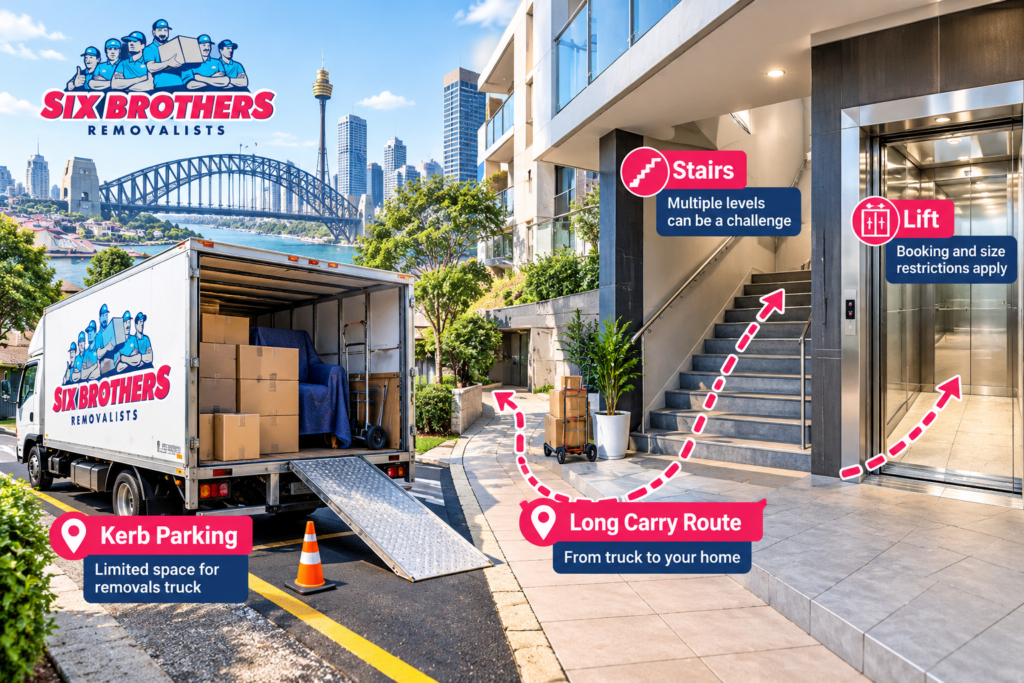
Sydney access problems can decide the pace before lifting begins. Kerbs, apartments, shared driveways, stairs, and building rules shape every carry. A no-dramas plan needs access checked before removal day.
People often focus on kilometres between homes. The harder distance can be from the front door to the truck. That hidden distance repeats for every box and furniture item.
Tight Street Parking
Tight street parking pushes the truck farther from the door. That adds walking, road crossings, and carrying time. DIY teams can start the day on the back foot.
Check signs, clearways, driveways, and usable kerb space beforehand. A short site check can prevent a long carry. It also helps you choose a realistic truck size.

Apartment Lift Bookings
Apartment lifts can require bookings, time windows, or building approval. Missing that window can stall the whole plan. Miss the boat here, and the truck may sit waiting.
Lift access also changes loading rhythm. Small lift loads create more cycles from apartment to foyer. Building rules may also limit protective equipment or loading areas.
Long Carry Distances
Long carry distances make every item take longer. One sofa trip may feel manageable. Dozens of box trips create serious hard yakka by midday.
Long carries also break team rhythm. Someone walks empty while another waits at the truck. The day turns into a relay race with no fresh runners.
Stairs and Narrow Entries
Stairs and narrow entries punish poor measurements and rushed lifting. Large items may need turning, tilting, or partial dismantling. The classic she’ll-be-right approach can fail quickly here.
People search how to move heavy furniture upstairs for good reason. Tight corners change hand positions and balance. They also reduce safe space for helpers to move together.
Loading Zone Restrictions
Loading zones can help, but signs and time limits still matter. Transport for NSW maps Sydney CBD kerbside loading zones by street and time. You still need to play by the rules.
A legal stop can shorten the carry and protect the schedule. A poor parking choice can do the opposite. Check the exact street conditions before bringing a large vehicle.
The Truck Problems First-Time DIY Movers Remember
Truck problems stay memorable because they affect the whole move. Size, driving, loading, restraint, and return times all matter. A removals truck is a whole different ball game from a car.
The vehicle is not just transport. It is the moving workspace for every item. A poor setup follows your belongings until the final unload.
Choosing the Wrong Truck Size
The wrong truck size creates wasted space or extra trips. Too small means repeat runs. Too large can be harder to park and handle.
Use the Moving Home Calculator before deciding whether your load still suits DIY. A better estimate can prevent a false start on removal day.
Driving an Unfamiliar Vehicle
A larger vehicle changes braking, turning, height awareness, and parking. Sydney traffic can make that learning curve stressful. It can become a white-knuckle ride after hours of lifting.
Fatigue makes unfamiliar driving harder. Mirrors, blind spots, narrow streets, and low clearances need attention. That attention is harder after a full day carrying furniture.
Poor Loading Order
Poor loading order wastes space and creates awkward unloading. Heavy items need stable placement. Fragile items need protection and separation.
People search how to pack a moving truck properly because order matters. Without a plan, the load can become a dog’s breakfast. A giant sliding puzzle is hard to fix roadside.
Load Restraint Problems
Load restraint protects items from movement during braking and corners. Blankets alone do not stop shifting. A loose load can come apart at the seams.
Owners may not have enough straps, tie points, padding, or load bars. Fragile furniture can rub against harder items. Poor restraint can also make unloading less predictable.
Returning the Truck Late
Truck hire return times create pressure near the end. Delays from traffic or extra trips can push the schedule. Suddenly, everyone works against the clock.
Rushing the final unload can undo careful work from earlier. People skip sorting, checks, and rest breaks. The last hour can feel harder than the first three.
Why DIY Moving Days Fall Behind Schedule ?
DIY moving days fall behind because small delays repeat across many items. Packing finishes late, parking changes, helpers arrive slowly, and loading takes longer. Everyone can be flat out before lunch.
People often search how long does moving house take before choosing DIY. The answer depends on load, access, travel, and team strength. One weak link can stretch every later task.
Professional planning separates packing, loading, transport, and unloading. DIY often mixes them on the same day. That creates stop-start work and more decisions under pressure.
Why Friends Stop Being a Moving Strategy ?
Friends can help, but they are not a predictable moving system. Fitness, timing, lifting skill, and patience vary. All hands on deck sounds good until people leave early.
Some helpers pull their weight all day. Others may only manage boxes or lighter furniture. That imbalance leaves heavier tasks for the same tired people repeatedly.
A favour can also change the mood. Stress rises when furniture gets scratched or someone gets hurt. The friendship matters more than winning one cheap removal day.
Which Items Usually End DIY Moving for Good ?
Heavy appliances and awkward furniture often put the brakes on DIY. Fridges, washing machines, pianos, safes, large sofas, and cabinets need planning. Stairs or tight doors make them harder.
People watch guides on how to move a washing machine. Others search how to move a fridge safely. Advice helps, but access and equipment still decide the job.
This is where furniture removalists or piano removalists can make sense. A furniture removalist handles awkward pieces with suitable equipment. Specialist help can cover only the difficult items.
The Moving-Day Injury Risk Owners Remember
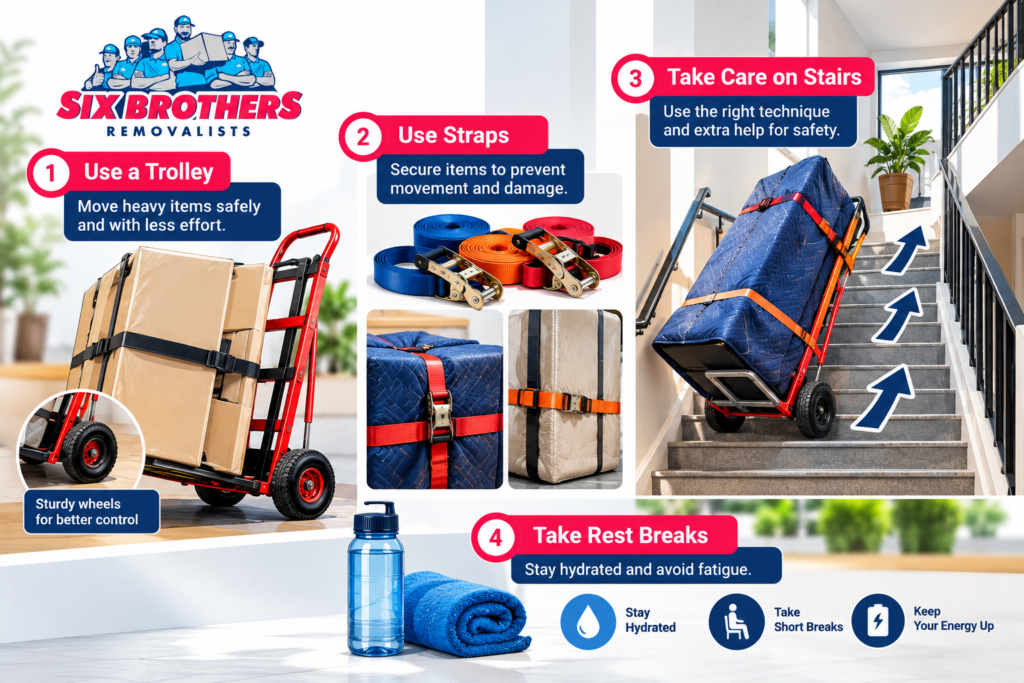
Moving-day injury risk becomes real once fatigue and awkward loads combine. SafeWork NSW treats lifting, pushing, pulling, and carrying as hazardous manual tasks when risk factors apply. Nobody wants to come a cropper over a sofa.
DIY owners often lack trolleys, ramps, lifting aids, and practiced teamwork. They also need energy after arrival. An injury can follow them into the unpacking week.
Back and Shoulder Strain
Back and shoulder strain often starts with repeated awkward lifting. Boxes are manageable until repetition builds. One heavy cabinet can then throw your back out.
Professional crews spread work across people, equipment, and planned carries. DIY helpers may repeat the same movement for hours. Fatigue can change posture without anyone noticing.
Stair Carry Injuries
Stairs reduce room for feet, hands, and communication. The person below carries different forces. One wrong foot can affect everyone holding the item.
Narrow turns add more risk. Helpers may twist while supporting weight. A single misstep can damage walls, furniture, or the people carrying it.
Fatigue While Driving
Driving after heavy lifting adds another demand to the day. Concentration can drop when the body is exhausted. Running on fumes is a poor plan in Sydney traffic.
A short drive can still involve congestion, tight parking, and unfamiliar roads. The driver also needs to unload later. Rest should be planned before fatigue becomes obvious.
Injured Helpers
An injured helper changes the whole team immediately. The remaining people must carry more or stop. Someone may also need transport or medical attention.
The organiser can end up carrying the can for everyone. That means stress, guilt, and a delayed move. A cheap favour can become a serious personal cost.
Extreme Time and Relationship Stress
DIY moves can consume evenings, weekends, and family energy before removal day. Packing runs late, helpers cancel, and normal routines disappear. Everyone starts burning the candle at both ends.
The stress is not only physical. Partners make hundreds of small decisions under pressure. Children, pets, work, keys, cleaning, and utilities keep competing for attention.
A change of address checklist NSW households can follow helps protect the admin side. It does not remove the lifting workload. Both tracks still need time and planning.
The “False Economy of DIY Mistakes”
DIY can become a false economy when hidden time and repeat costs stack up. Truck hire, fuel, supplies, meals, parking, and extra trips all matter. Penny wise, pound foolish fits some moves.
If three weekends disappear, was the ‘saving’ really a saving? Time away from work or family has value. Damage, delays, and replacement costs can also change the final picture.
Cheap removalists are not automatically better than DIY or premium services. Compare scope, access, equipment, timing, and responsibility. The cheapest headline can hide a different workload.
What Owners Notice After Hiring Removalists the Second Time ?
Owners often notice the difference before the first item leaves. Good Sydney house removalists plan the load, access, equipment, and timing before arrival. DIY and organised removal work can feel like chalk and cheese.
Professional removalists bring a system, not only extra hands. House removalists can match crew size and truck capacity to the home. Furniture removalists can also manage bulky pieces separately.
That support can include packing, dismantling, loading, transport, and unloading. Full service removalists Sydney households compare may cover more tasks. Ask what is included before accepting any quote.
Six Brothers Removalists can quote the move before you commit. Ask about access, item volume, special pieces, and timing. Clear details help reduce surprises on the day.
Want a cleaner comparison before booking? Get a free quote and compare the real workload. Keep the decision low-pressure, practical, and based on your actual home.
When DIY Moving Can Still Make Sense ?
DIY can still make sense for small, simple, low-risk moves. A few boxes and light furniture may suit capable helpers. Horses for courses is the right way to judge it.
A local move can suit DIY when access is easy. Use proper equipment and allow time. A removalist truck hire option may help when your own vehicle is unsuitable.
Long-distance moves are different. Interstate removalists, an interstate removalist, or interstate furniture removalists manage more transport complexity. International removalists add another layer beyond ordinary house moves.
Service needs also vary. Office removalists handle workspaces, while removalist companies may offer packing and storage. Searches for removalists near me or removalist near me usually reflect that choice point.
Sydney owners may also compare removalists Sydney, cheap removalists, and specialist services. People moving elsewhere may search removalists Melbourne or removalists Brisbane. The right scope matters more than the label.
For a small job, give it a crack only when the risks stay manageable. For a full house, get your ducks in a row first. A clear quote can provide a useful benchmark.
Common questions
What Is a Removalist?
A removalist is a professional who helps transport household or business belongings. Services can include packing, lifting, loading, transport, unloading, and furniture handling.
How Long Do Removalists Take?
Timing depends on household volume, access, travel, crew size, and preparation. Stairs, long carries, parking, and dismantling can extend the job.
Is DIY moving cheaper for a full Sydney house?
Sometimes, but only after counting every cost and your time. Extra trips, hire extensions, equipment, damage, and lost weekends can change the comparison.
What size house is hardest to move yourself?
Difficulty rises with volume, bulky furniture, stairs, garages, and outdoor items. Larger homes usually create more loading and truck-capacity pressure.
What makes a second DIY move less appealing?
Owners remember fatigue, repeat trips, access problems, and the lost weekend. They also understand the planning work before lifting even starts.
Can friends safely help move heavy furniture?
They can help with suitable items and clear roles. Heavy, awkward, or stair carries may need equipment and experienced handling.
When should I use professional removalists after DIY?
Consider professional help when access, volume, heavy items, time, or driving exceeds your comfort. A quote gives you a practical comparison point.
Can I mix DIY work with professional help?
Yes. You can pack smaller items yourself and book removalists for transport or bulky pieces. That can reduce workload without outsourcing everything.
A first DIY move teaches you what the second one should avoid. If the load feels bigger now, get your free quote. Call 1300 764 372 or email info@sixbrothersremovalist.com.au.