
Table of Contents
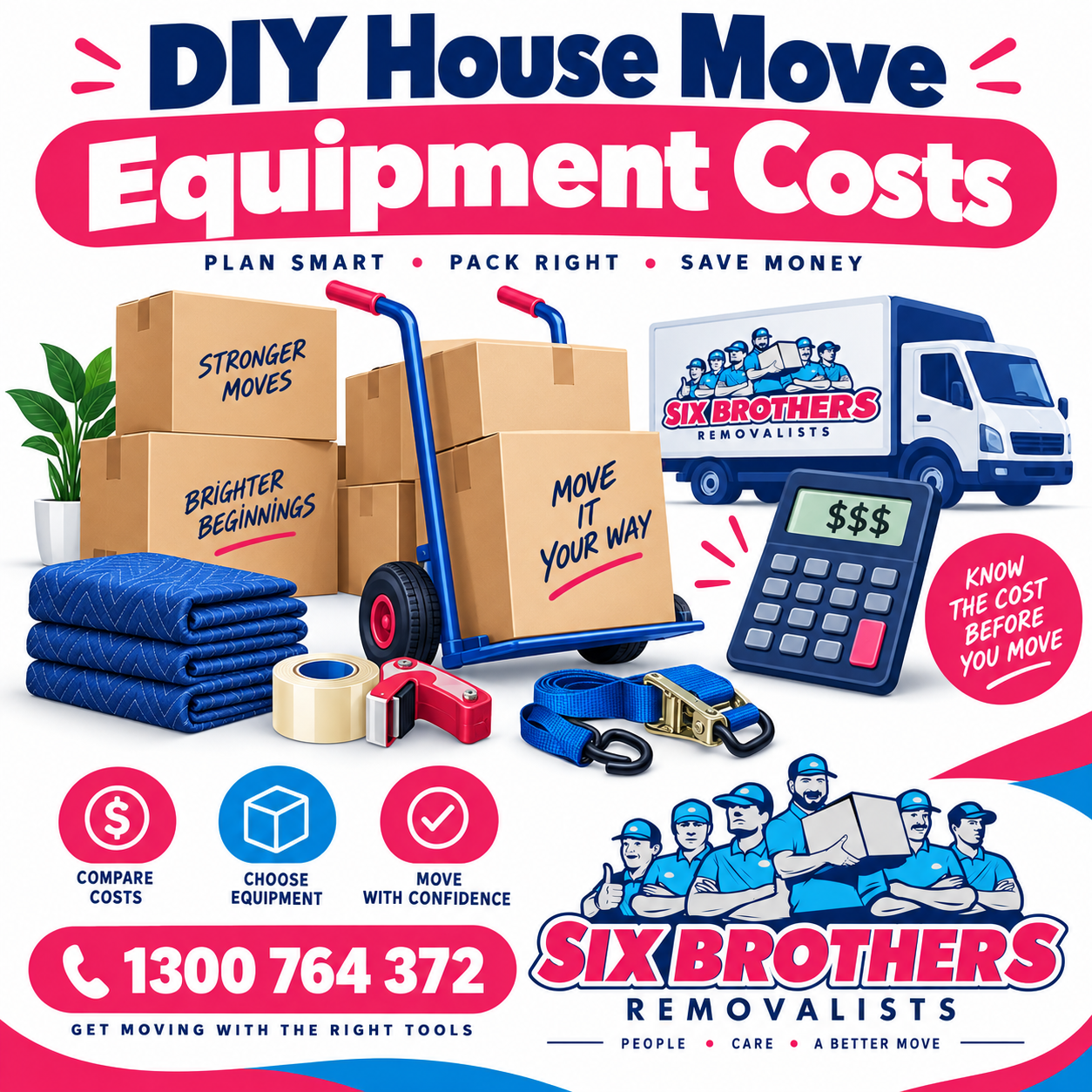
The moving truck is only one line on your DIY moving bill. Trolleys, straps and protective gear can change the total. So can collection trips, late returns and an extra hire day. Here is how to count the full equipment cost before moving across Sydney.
What is the DIY house move equipment bill?
Your equipment bill covers every item needed to carry, protect and secure your belongings. Truck hire alone cannot tell you the full moving cost. Count hired gear, purchased supplies, delivery fees and return travel. Then add any charges triggered by your booking terms.
A Parramatta unit with a lift needs different gear from a two-storey Blacktown house. A heavy fridge or long driveway changes the plan again. You need a route-based list, not a random shopping trolley full of supplies.
Did you know?
A trolley moves an item. A rated restraint helps secure it inside the vehicle. Budget for both jobs separately.
Which equipment costs are easy to leave out?
The missed costs usually fall into four groups. Check your inventory and access before deciding what to hire.
Handling and lifting gear
A box trolley may not suit a tall fridge or heavy wardrobe. Price the correct appliance trolley, flat dolly and any suitable stair equipment. Check the load rating and the actual route before you book.
For a unit above ground level, measure the lift, steps and landing. Ask whether your chosen device works on those surfaces. Never assume extra gear makes a dangerous lift safe.
Protection and load restraint
Furniture blankets, mattress covers, corner guards and floor protection all need a place in the budget. So do approved tie-down straps for the truck. Packing tape and stretch wrap cannot replace suitable restraints.
Count by furniture piece, not by room. A dining table, sofa and glass cabinet need different protection. Ask what the vehicle hire includes before buying duplicates.
Tools, boxes and little extras
Bed frames may need basic tools and labelled hardware bags. Boxes, tape, labels and cushioning add another shopping trip. Keep a small supply margin, but do not purchase gear without a purpose.
If your inventory includes garage storage, read our house move quotes that forget the garage guide.

The hire terms that can make a cheap booking expensive
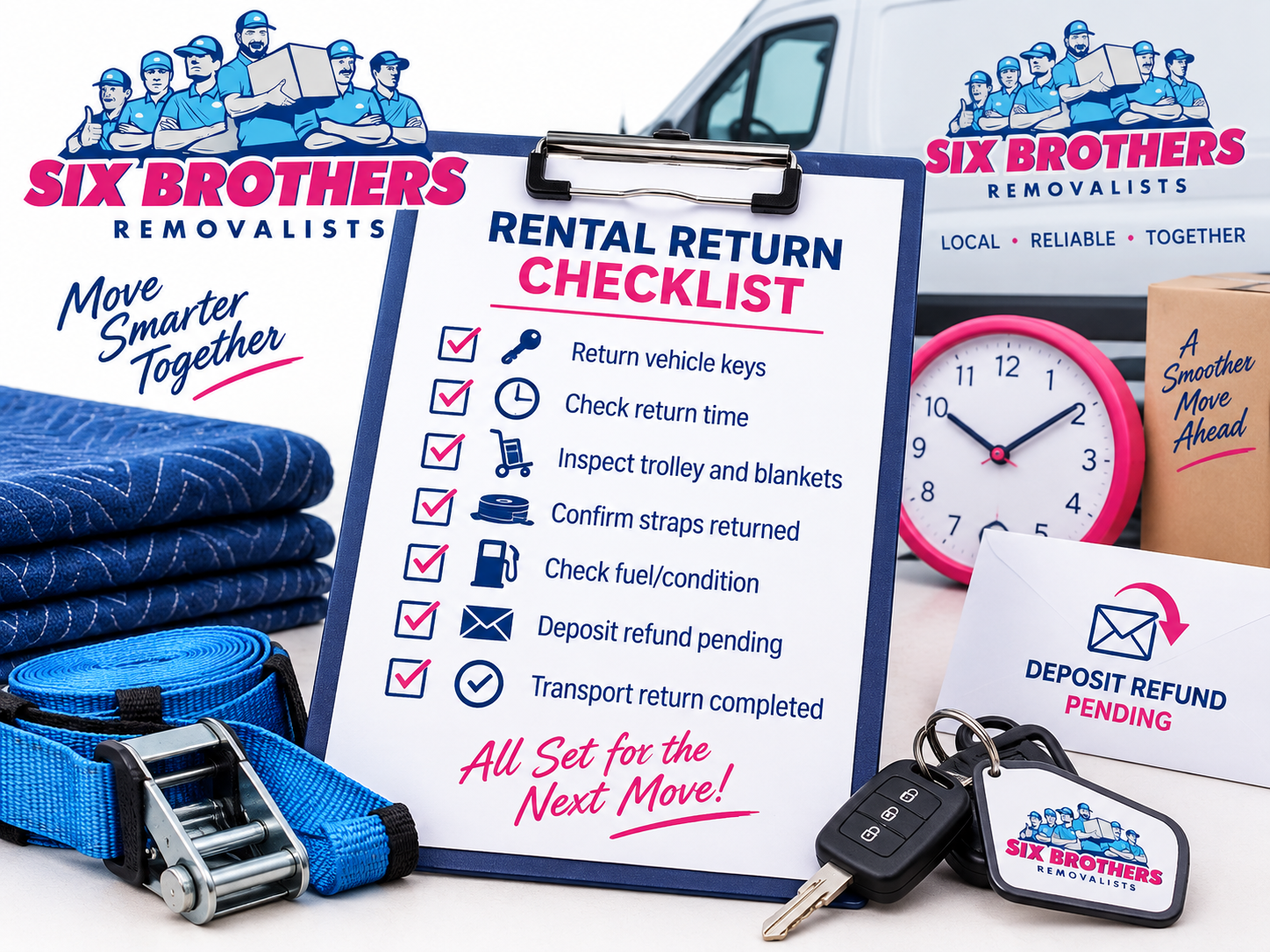
The daily equipment rate is only a starting number. The full invoice depends on how long you keep the gear and how you return it. Read the actual supplier terms before calculating your total.
- Hire duration: confirm the collection time, return time and any late-return charges.
- Deposits: separate refundable security holds from charges you will actually pay.
- Delivery and collection: include depot travel, parking and supplier delivery fees.
- Damage conditions: check existing marks, cleaning rules and your financial exposure.
- Truck terms: ask about kilometres, fuel, tolls, excess time and damage liability.
For example, returning a trolley on Monday may add another hire day after Sunday. That depends on the supplier, not an assumed Sydney-wide policy. Confirm the billing cut-off in writing.
A damage waiver is not automatically blanket cover for belongings or hired equipment. Check each policy, exclusion and excess. Stop unsafe handling before it becomes a loss.
Build a full DIY equipment cost sheet before booking
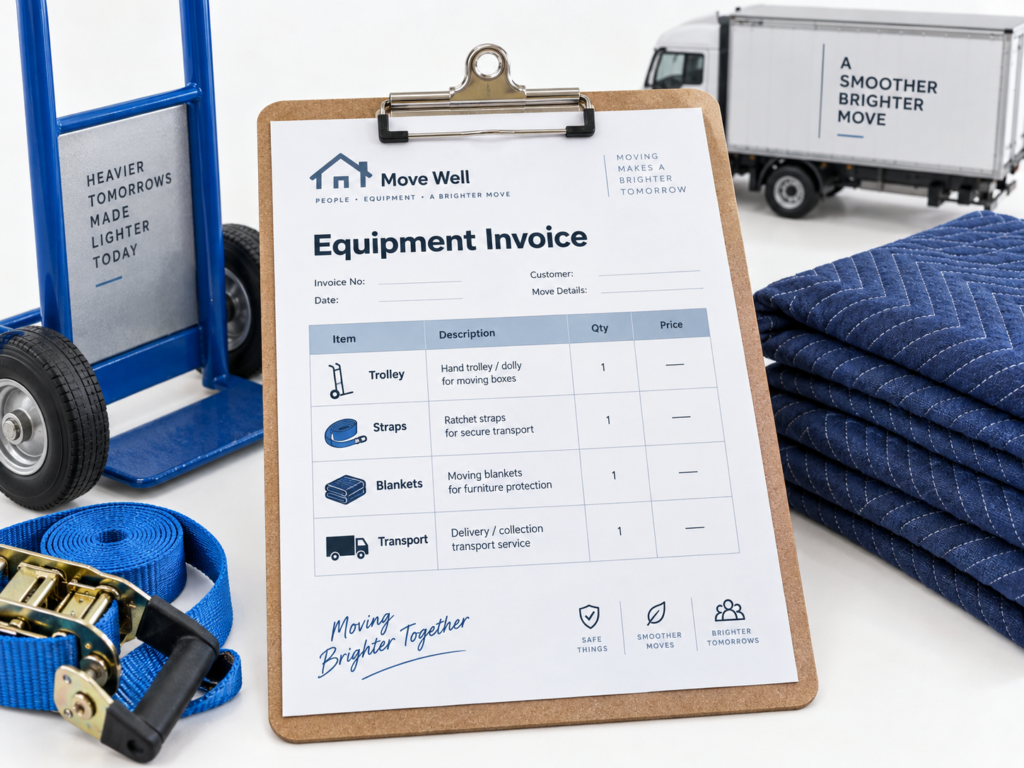
Start with the equipment list, then add truck and travel charges separately. Record prices from real written quotes. Do not fill the gaps with an average you found online.
| Cost line | What to record | Your quote |
| Handling gear | Trolley, dolly, approved ramp, hire period | $_____ |
| Protective supplies | Blankets, covers, padding, boxes, tape | $_____ |
| Vehicle and extras | Truck, included gear, fuel, kilometres, tolls | $_____ |
| Collection and return | Delivery, depot trips, late return | $_____ |
| People and time | Paid help, leave, extra hire day | $_____ |
| Risk allowance | Only costs you can identify and justify | $_____ |
| TOTAL | Add actual paid costs, not refundable deposits | $_____ |
DIY total = truck costs + equipment hire + supplies + travel + paid help + extra charges. A refundable deposit affects cash needed upfront, not the final cost unless retained.
Use our home moving calculator to help describe your load before requesting a comparable quote.
When does hiring removalists make better sense?
Compare costs when specialist gear, difficult access or extra trips threaten your DIY plan. The decision depends on your inventory, timing and handling risk. Paying for more equipment does not supply trained helpers.
For a small, level-access move, you may already own suitable gear. A large house or upstairs fridge can change that calculation. Consider a partial-service move when you can pack but cannot safely lift.
Our guide to DIY moving a three-bedroom house explains when household size stretches a self-move.
Ask each removalist to quote the same inventory, access details and moving date. Compare included trolleys, blankets, straps, labour and the truck. Also check travel charges, fuel levies and possible extras.
Check the current removalist rates alongside the equipment list, rather than comparing headline prices alone.
Six Brothers says its crews bring trolleys, blankets and straps. Confirm the included equipment for your specific booking. Ask about unusual items and difficult access before accepting a quote. Our furniture removalists can review bulky items and the route from your door to the truck.
For a written, itemised comparison, the NSW Government advises checking the quote and contract first. Read the NSW Government guidance on choosing a removalist before you commit to any provider.
Unsure whether your hire basket still saves money? Send Six Brothers your inventory, photos and moving date. Request a free quote on 1300 764 372. You can then compare matching scopes without pressure.
Make the safer equipment decision before moving day
A complete bill shows what your DIY plan actually needs. Measure awkward items, gather written hire terms and calculate every extra trip. Avoid proceeding with any lift that lacks suitable equipment or people. See how Six Brothers Removalists handles local moves, then ask what your own job would include.
SafeWork NSW explains why awkward lifting and repeated force deserve a proper risk check. Read its hazardous manual tasks guidance before planning heavy work. Use the SafeWork NSW hazardous manual tasks guidance to check lifting risks and suitable controls.
Frequently asked questions
How much do removalists cost in Sydney?
The price depends on the inventory, crew, distance, access and booking terms. Get an itemised quote for your own move. Compare its inclusions with your complete DIY budget.
What to ask a removalist before hiring?
Ask what handling gear, protective materials, labour and travel charges the quote includes. Disclose stairs, long carries and heavy items. Check possible extras and insurance terms.
Does truck hire include moving equipment?
Not always. Some bookings include limited gear, while others charge separately. Ask for the actual vehicle inclusions in writing before paying.
Should I buy a trolley or hire one?
Compare purchase cost, suitability and future use against the hire total. Check the load rating and surfaces. Do not buy a cheap model that cannot handle the job.
Can I use one trolley for boxes and a fridge?
Only if its approved design, capacity and instructions suit both loads. Many general trolleys are unsuitable for tall or unstable appliances. Ask a hire supplier before use.
Are refundable equipment deposits a moving cost?
A returned deposit is not a final expense. It still reduces available cash until refunded. Record any retained amount and the reason separately.
When should I stop a DIY lift?
Stop if the route, equipment or available people cannot control the load. Seek trained help for a risky lift. Equipment rental alone does not remove the danger.
How do I compare a DIY bill with a professional quote?
List identical items, dates, access and work for both options. Include truck, equipment, supplies, travel and extra days in DIY costs. Ask the provider to itemise exclusions.