


Table of Contents
Older Sydney homes often have built-in cupboards worth keeping. The finish may look tired, but the timber beneath could be irreplaceable. Architectural film can refresh sound cabinetry without tearing out the entire unit. Yet it isn’t suitable for every old surface.
This guide explains when decorative wrapping works, what it costs, and when restoration makes more sense. It also covers heritage approval and safe protection during a house move. Architectural film differs from the temporary protective wrap removalists use. The first changes a finish. The second cushions furniture during handling.

Did you know?
Some architectural films are designed as permanent finishes. A listed 3M DI-NOC woodgrain product is marked “Not Removable”. Never assume a wrapped heritage surface can return to its original condition.
Benefits for Older Sydney Homes
Wrapping can refresh stable fitted cabinetry while retaining much of its existing structure. For a Sydney terrace or Federation home, that can mean less disturbance. However, the best result starts with an honest assessment of the joinery.
Preserves Character
The strongest approach protects the features that make an older room special. Keep original handles, mouldings, proportions, and sound timber where possible. Choose a finish that sits quietly beside skirting boards and architraves.
Covering rare original timber can reduce its heritage value or conceal damage. Consider repairing the original finish instead. A modern look shouldn’t come at the cost of a lost feature.
No Demolition & Low Mess
Architectural film can go onto prepared cabinet faces without removing whole cabinet carcasses. That usually means less demolition waste and fewer interrupted rooms. There may still be cleaning, filling, sanding, or door removal.
Don’t confuse low mess with no preparation. Loose coatings and greasy surfaces need attention first. Some preparation also creates dust, which matters in older houses.
Material Variety
Woodgrain, stone-look, linen-textured, and solid-colour films offer different visual effects. Smooth kitchen doors often suit understated matte colours. Wardrobe fronts may suit warmer timber tones or soft fabric textures.
Ask to view samples beside the existing timber in daylight. A photograph cannot show how a raised texture feels. Test the exact product on the exact substrate.
Durability
Good architectural films can resist everyday scuffs when installed on suitable surfaces. Longevity still depends on edge preparation, heat, moisture, and cleaning habits. A finish near a kettle faces different conditions from a hallway cupboard.
Check the maker’s approved uses and maintenance guidance. Don’t assume every standard vinyl sticker performs like specialist architectural film.
Common Applications
Use wrapping on stable built-ins where the visible finish matters more than structural changes. Each room brings its own wear and moisture risks. The smartest choice isn’t always to cover every surface.
Built-In Wardrobes
Flat wardrobe doors are often easier to wrap than carved doors. A subtle woodgrain or ultra-matte finish can soften a dated bedroom. Check door alignment before measuring, especially in older homes with settled floors.
Wardrobe wrapping won’t fix a swollen door or sticking track. Repair those faults before refreshing the appearance.
Kitchen & Laundry Cabinetry
Kitchen doors face grease, steam, spills, and heat. Laundry doors may sit near damp walls or condensation. These conditions make substrate checks essential before applying decorative film.
Avoid placing film where a manufacturer excludes high heat or standing water. Test adhesion around sink units and dishwasher-adjacent panels. Fix leaks before any resurfacing.
Shelving & TV Units
Built-in bookshelves and television cabinets can look calmer with a consistent finish. Consider wrapping vertical faces while leaving sound timber shelves exposed. This avoids unnecessary film on high-wear horizontal surfaces.
Measure cables, hinges, and ventilation openings. Never cover equipment vents or place film against hot devices.
Important Considerations Before You Wrap
Inspect first and choose the finish second. Film follows the surface beneath it, so hidden faults rarely disappear. A short site assessment can prevent an expensive rework.
Surface Condition
Sound, dry, stable surfaces offer the best starting point. Look for peeling paint, soft timber, swollen MDF, loose laminate, and previous water marks. Test whether existing coatings remain firmly bonded.
A new film cannot strengthen failed varnish or rotten timber. Where the surface is unstable, repair or conserve it first. If repairs change historic fabric, check approvals beforehand.
Edges and Detail
Old mouldings, grooves, and uneven corners are the hardest areas to finish cleanly. Deep profiles may require seams or careful heat forming. Film can bridge across small recesses and later lift.
Ask the installer to show a real sample around a matching detail. Inspect the corners at eye level. A perfect flat-door photograph proves little about ornate joinery.
DIY vs. Professional Installation
DIY may suit a small, modern laminate cupboard with simple flat faces. Older original joinery creates greater risk. A professional should assess substrate, test adhesion, and explain any permanent changes.
Ask what happens if an edge lifts or removal damages varnish. Get preparation and warranty exclusions in writing. Heritage timber deserves more than a quick online tutorial.
Challenges & Solutions for Older Sydney Homes
Older houses move, absorb moisture, and carry decades of finishes. Those conditions make film installation less predictable. Solve the underlying issue instead of hiding it.
Shifting & Out-of-Square Frames
A settled frame may leave cupboard gaps uneven. Film won’t square the door or stop its corner rubbing. Realign safe, adjustable hardware before applying the finish.
Measure each panel separately. Don’t assume two matching doors have identical dimensions. A tight reveal can scrape a freshly wrapped edge.
Grain & Paint Texture Telegraphing
Architectural film can reveal woodgrain ridges, paint brush marks, and old filler patches. Installers call this telegraphing. A thicker film may reduce minor effects, but it can’t guarantee a flat result.
Inspect a test area under side lighting. If the original texture matters, consider keeping it visible instead.
High Atmospheric Humidity
Sydney’s humid spells can expose poor ventilation and damp joinery. Water trapped in timber or MDF weakens the case for adhesive film. Dampness needs diagnosis before the surface is covered.
Check for mould, swelling, and condensation. Ask whether the product suits the room’s actual conditions. No wrap can repair a leaking wall.
Lead Paint Risks
Paint in many Australian homes built before 1970 may contain lead. Sanding, scraping, or heating old coatings can release hazardous dust. Have suspect paint assessed before preparation begins.
NSW lead renovation guidance recommends trained professionals for lead-paint removal. Never dry-sand uncertain coatings simply to improve adhesion. Protect children, residents, and workers before cosmetic changes.

Heritage Rules for Wrapping Original Sydney Joinery
A protected property needs a different decision process from an ordinary modern kitchen. A removable-looking change can still affect significant original finishes. Check the listing and the proposed work before booking an installer.
Heritage-Listed Property Restrictions
State-listed and locally listed properties can have different approval pathways. Some minor work may qualify for an exemption. That does not mean every interior alteration is automatically exempt.
Service NSW heritage guidance advises checking the State Heritage Register and relevant local rules. Confirm the status before covering original cupboards or timber panels.
Original Joinery Significance
An original Federation dresser or cabinet door may be important heritage fabric. A later laminate laundry cupboard may have little significance. Age alone doesn’t decide the answer.
Ask a suitably qualified heritage adviser about valuable joinery. They can assess finishes, construction, and conservation options. Covering original varnish can complicate later restoration.
Council and Owner Approval
Ask the relevant Sydney council whether your proposed internal work needs consent. State-listed places may also involve the Heritage Council of NSW. Owners, tenants, and strata residents face different consent steps.
If you rent, obtain the owner’s written permission first. Keep emails, plans, and material details together. Don’t rely on a verbal assurance from an installer.
Recording Original Finishes
Photograph every face, corner, handle, and existing defect before work starts. Record close-ups under consistent lighting. Include dates, room names, and film specifications.
A pre-move inspection offers a useful model for documenting condition before change. Keep those records with approval documents and supplier details. Future owners may need them.
Architectural Film vs. Standard Vinyl
Architectural film is designed for selected building and furniture surfaces. Ordinary craft vinyl may suit temporary decoration, but often lacks comparable specifications. Compare products by evidence, not their appearance in photos.
Tactile Authenticity
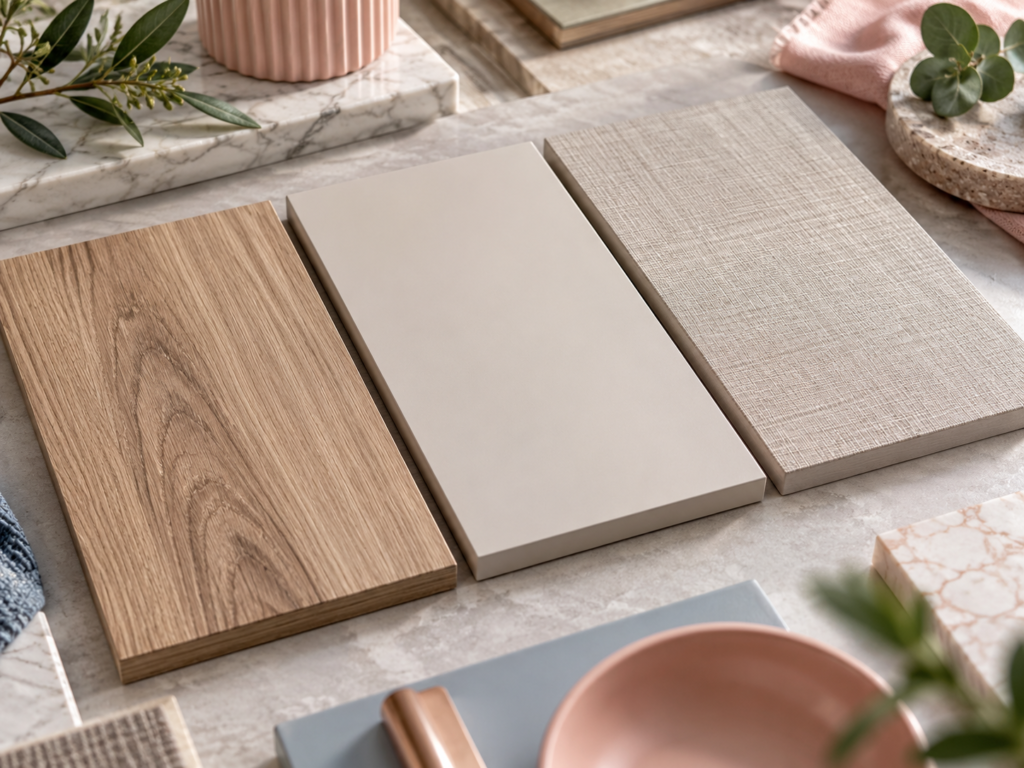
Premium ranges may imitate timber pores, linen weave, or brushed metal. Touch matters when a cupboard sits beside real timber. An overly glossy finish can jar with a quiet period room.
Order a large sample where possible. View it in morning and evening light before committing.
Built-in Micro-air Channels
Some specialist films have air-release adhesive patterns. These help installers push out trapped air during fitting. They don’t make damp joinery safe or guarantee bubble-free work.
Check the technical sheet for the exact film. Not every architectural finish uses the same adhesive technology.
Thermal Stretch & Conformability
Selected films can be shaped around simple curves using controlled heat. Complex mouldings can still exceed the product’s limits. Excessive heat may also harm old paint and varnish.
Ask which temperature and technique the maker permits. Keep heat tools away from potentially lead-coated surfaces until assessed.
Strategic Styling for Older Properties
The safest-looking update usually respects the room’s original proportions. Treat film as a supporting finish, not the main event. Test colour beside floors, doors, and window frames.
Fluted & Shiplap Timbers
A film can imitate fluted or shiplap boards without rebuilding a panel. Printed grooves do not create real depth. Deep existing grooves can cause lifting or visible seams.
Use a sample on an actual cabinet door. If original profiles are significant, leave them exposed.
Ultra-Matte Solid Tones
Warm white, muted sage, and soft charcoal can calm busy cabinetry. Ultra-matte faces show fingerprints differently from gloss finishes. Ask how the selected film cleans and wears.
Avoid sharp colour clashes with adjacent heritage timber. The whole room should feel considered.
Tactile Linen & Fabrics
Linen-look films suit wardrobes and low-splash cabinet faces. Their texture can add warmth without imitating old timber. Food preparation areas need closer cleaning checks.
Rub the sample gently with a clean cloth. Check whether texture traps marks or catches at edges.
Furniture Wrapping vs Painting, Refacing and Replacement
These options solve different problems. Wrapping changes the surface. Painting creates a new coating. Refacing replaces visible parts. Full replacement removes more of the original cabinetry.
Wrapping vs Cabinet Painting
Painting suits many stable timber cabinets, especially where the existing finish can be prepared safely. Film may provide consistent woodgrain or textured effects. Both need sound surfaces and suitable products.
Old paint with possible lead changes the preparation method. Neither option should begin with uncontrolled sanding.
Wrapping vs Cabinet Refacing
Refacing usually replaces doors, drawer fronts, or visible panels while retaining carcasses. It can correct badly damaged fronts that film cannot hide. However, original doors may be lost.
Compare that heritage cost before choosing. Keep removed historic parts where conservation advice supports it.
Wrapping vs Full Replacement
Replacement may suit collapsing, water-damaged, or unsuitable cabinetry. It can also change plumbing, walls, and flooring. The impact is far greater in a tight Sydney terrace.
If the old joinery is sound and significant, replacement might be the worst option. Repair and conservation deserve an assessment first.
Best Value for Older Joinery
The best-value option preserves the right materials and solves the actual defect. Film can be sensible for later, stable cupboard doors. Conserving original timber is often wiser than covering it.
Decide using four checks: significance, substrate, daily wear, and future removal risk. The cheapest initial quote is not always the cheapest long-term result.
How Much Does Built-In Furniture Wrapping Cost in Sydney?
There is no reliable flat Sydney price for every older built-in. Installers price surface size, panel count, film grade, preparation, and intricate edges. Heritage advice or specialist repairs may be separate.
An Australian supplier lists DI-NOC premium wood film at $111.96 per linear metre, excluding GST. That is a listed material price, not a Sydney installed quote. Film widths, product range, wastage, labour, and site conditions change the total.
A useful quote separates film supply, hardware work, repairs, edge detailing, and GST. Ask whether test patches and return visits are included. Compare identical scopes before choosing a contractor.
Quote check: Send front and side photos of each unit. Include measurements, moulding close-ups, and signs of damp. Ask how costs change if the substrate fails testing.
How Professional Built-In Furniture Wrapping Works ?
Professional wrapping begins with a substrate and heritage suitability check, not a colour choice. The installer should establish who owns the cabinet and whether work is permitted. Then they should confirm product compatibility through manufacturer guidance and testing.
Step 1: Inspect the timber, coatings, moisture, and hardware.
Step 2: Check permissions and sample the finish.
Step 3: Test adhesion on a suitable discreet area.
Step 4: Prepare approved surfaces and remove hardware where needed.
Step 5: Apply film, finish edges, and inspect every opening.
Ask for care instructions and the product batch or film reference. Record the finished condition before furniture is moved nearby. Six Brothers Removalists provides relocation services rather than architectural film installation. Its team can discuss removal-day access and handling.
Planning a Sydney move alongside the refresh? Request a free removals quote from Six Brothers Removalists. Call 1300 764 372 and explain any fragile original joinery.
Sydney Resurfacing & Wrapping Specialist Firms
These are research starting points, not endorsements. Confirm current Sydney service coverage, trade experience, and suitability for heritage joinery. Ask every provider for a written substrate assessment.
WrapStyle Home
WrapStyle Home lists a Rockdale head office and promotes architectural vinyl finishes. Ask whether the team handles detailed original timber, not just modern laminate. Request photos of comparable Sydney work and preparation methods.
Vogue Vinyl Decor
Vogue Vinyl Decor advertises architectural vinyl for cabinetry and benchtops. Its site describes installation and finish options. Confirm service location, manufacturer specifications, and warranty exclusions before paying a deposit.
Wrapp
Wrapp advertises kitchen and architectural wrapping across Australia. Its online presence is Melbourne-focused, so verify Sydney installer availability. Ask who attends the site and who handles any later edge failure.
Luzen&Co
Luzen&Co sells vinyl wrap and other interior products in Sydney. Its site highlights a retail and DIY offering. Confirm whether you need a separate independent installer rather than assuming installation is included.
Can Architectural Film Be Removed From Old Timber?
Sometimes film can be physically stripped, but safe reversibility is a separate question. Adhesive can bond to varnish, pull paint, or leave residue. Some products are expressly classified as not removable.
Adhesive Residue Risks
Removal may leave tacky areas requiring specialist cleaning. Solvents can stain historic finishes and penetrate timber pores. Test any proposed cleaning method before touching valuable joinery.
A low-risk-looking film today can become a difficult conservation problem later. Ask the installer for the manufacturer’s written removal guidance.
Damage to Original Paint and Varnish
Original paint or varnish may detach with the film. Heat-assisted removal can create further risks, especially with old coatings. Don’t promise future owners a clean return to exposed timber.
If heritage value depends on the original finish, seek conservation advice before application. The decision should be made before adhesive touches the surface.
Professional Film Removal Assessment
An experienced installer can review product type, bond, and substrate condition. A heritage conservator may be needed for original finishes. Ask for a small, documented test method, not an unqualified guarantee.
If the film proves unsuitable, restoration may be safer than forced removal. Protect the underlying material first.
How to Maintain Wrapped Built-In Furniture ?
Clean wrapped surfaces gently using the film manufacturer’s approved method. Start with a soft cloth and mild cleaner only if permitted. Avoid abrasive pads, harsh solvents, and concentrated heat.
Wipe spills promptly and check sink-side edges. Look for lifting corners, bubbles, moisture, and damage around handles. Report changes early rather than peeling back sections yourself.
Sun exposure and heat may affect some finishes over time. Ask about permitted temperatures and any product-specific restrictions. Keep the film’s care sheet with your home records.
Protecting Wrapped Built-Ins During House Removals
Fixed built-ins usually stay with the property. The risk comes from nearby tables, boxes, appliances, and trolleys passing through. Plan protection before the first item leaves the room.
Protecting Cabinet Doors and Drawers
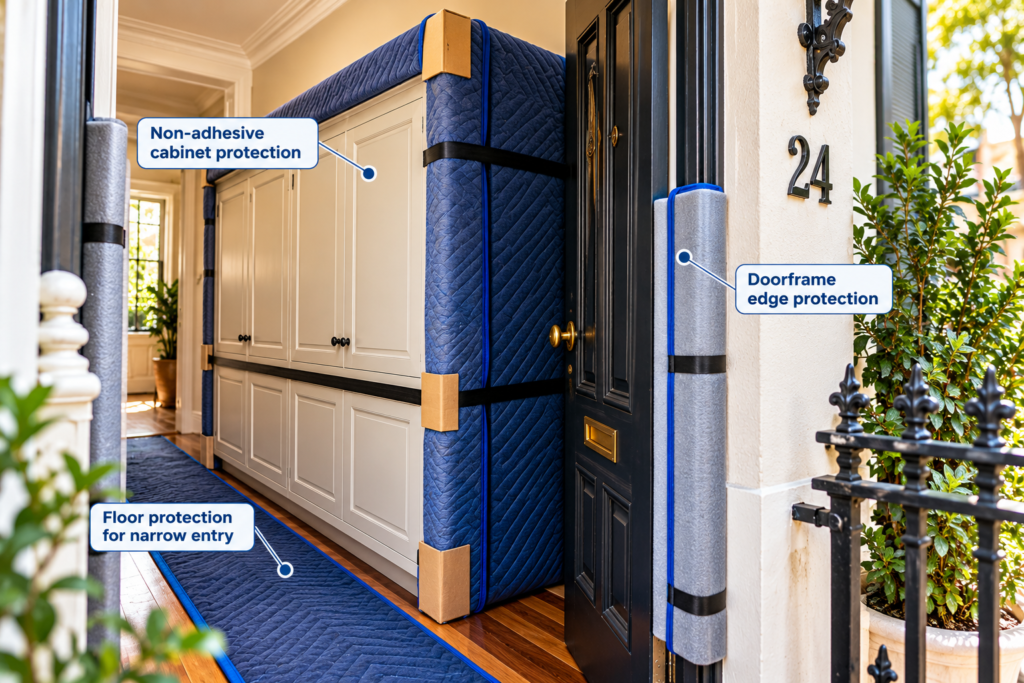
Empty and secure loose items inside cupboards before removal day. Close drawers fully and protect handles from impact. Don’t stick packing tape directly onto decorative film or historic varnish.
Photograph the cupboard’s condition before the crew arrives. This record supports a fair discussion if a mark appears later.
Non-Adhesive Protective Padding
Use freestanding blankets, foam boards, or temporary barriers that don’t rely on adhesive touching the cabinetry. Support padding without pulling on fragile handles. Keep air flowing around damp-prone areas.
The whole-house moving checklist helps identify fixed fixtures near busy loading routes. Flag those corners during the pre-move walkthrough.
Avoiding Damage During Furniture Removal
Measure the path before carrying heavy furniture past fitted shelves. Remove loose chair legs where practical. Use spotters for narrow terrace hallways and turning points.
A furniture removalist can discuss access, protective blankets, and awkward pieces before booking. Ask your crew to avoid resting furniture against original cupboards.
Post-Removal Surface Inspection
Check wrapped edges, cabinet faces, shelves, and handles while the room is empty. Compare the condition against your earlier photos. Note any mark and report it promptly.
Use the whole-house inventory checklist to keep before-and-after photographs organised. Check your own policy and the removalist’s terms for coverage details. Avoid assuming a fixed cabinet is automatically insured.
FAQs
Do removalists have insurance?
Cover varies by business and policy. Ask what applies to fixed cabinetry and accidental property damage.
How to prepare for removalists?
Clear the route. Photograph original finishes and identify fragile fixed features.
Can you vinyl wrap original timber cupboards?
Sometimes. An adhesive test and heritage assessment come first. Preservation may be safer.
Is architectural film reversible on old timber?
Not necessarily. Some films are not classed as removable. Adhesives can damage old coatings.
Can film hide peeling paint or damp timber?
No. Both require assessment and repair before an installer considers wrapping.
Do I need council approval for heritage joinery?
It depends on the listing and proposed work. Ask the relevant council or heritage authority.
What’s the main difference between wrapping and moving protection?
Architectural film changes appearance. Temporary non-adhesive padding guards against impact during a move.
Is wrapping cheaper than replacing built-ins?
It may be for suitable, sound surfaces. Detailed preparation can alter the comparison substantially.
A smart refresh keeps useful cabinetry and respects the building’s history. Choose film only when the surface and approvals support it. For the move itself, plan clearance and temporary protection just as carefully.
To plan your Sydney relocation, call Six Brothers Removalists on 1300 764 372. You can request a free removals quote before booking.