


Table of Contents
That hired truck looks cheaper until the rest of the family bill arrives. Packing, unpaid time, care arrangements and damage can change the calculation. Sydney families need a moving budget that includes both money and daily life. This guide helps you decide what to do yourself and when to book help.
The DIY Financial Equation vs. Reality
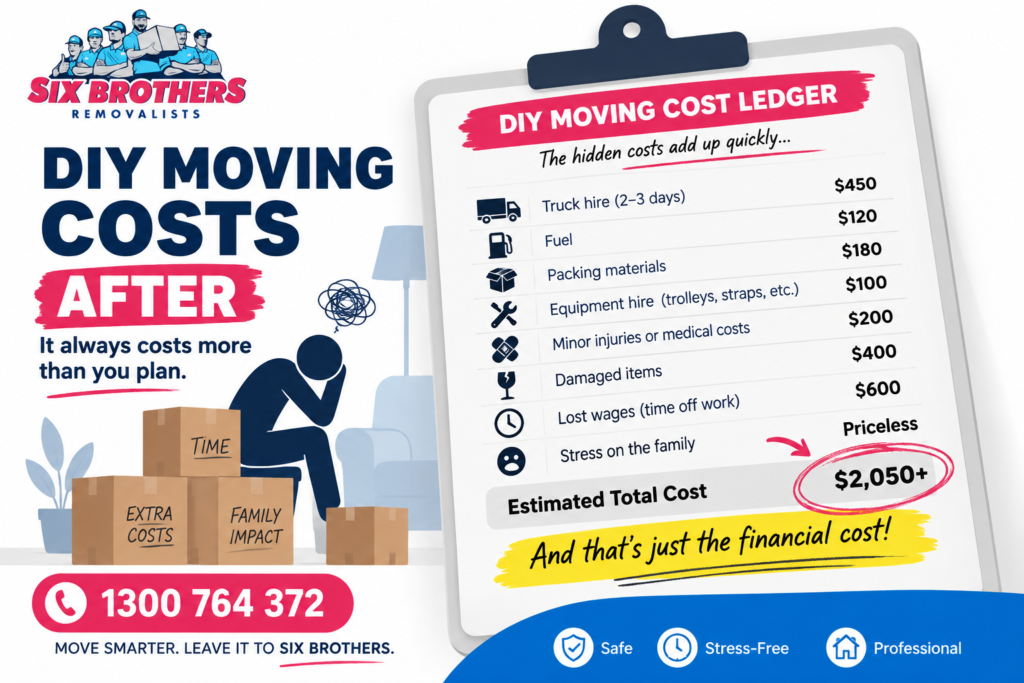
The hidden family cost of DIY whole-house moves starts beyond the truck hire bill. Add supplies, equipment, time, child care, repairs and a backup plan. The final amount can beat your first estimate. A cheap first quote is not the whole story.
Start with two columns. List cash you will pay and family time you will use. Include packing, loading, driving, unloading and cleaning. Then compare that total with a written professional quote. You need the full picture, not just the cheapest line.
Vehicle & Transport
A hired van can need several trips for a full house. Check the load limit, fuel rules, distance charges and return deadline. Ask whether your licence covers the vehicle. Measure large items before booking.
A Parramatta to Blacktown move has different travel demands from moving from Sydney to regional NSW. The longer trip adds driving time and less room for errors. For distant moves, check whether a suitable interstate removalist offers one planned load.
Packing Supplies
Boxes, tape, paper and covers belong in your budget. Fragile kitchenware needs more care than linen. Beds, TVs and mirrors need suitable protection. Weak boxes can split when the going gets tough.
Count what each room needs before buying. Compare reusable boxes with new supplies. Check available cheap moving boxes before paying for scattered purchases. Add labels so children’s essentials stay easy to find.
Equipment Rentals
A vehicle alone will not move a fridge or heavy wardrobe safely. Consider a trolley, furniture blankets and tie-downs. Check hire periods and deposits. You may also need a second adult for tricky pieces.
A narrow staircase can turn a simple lift into a real headache. Compare equipment costs with asking furniture removalists to handle bulky items. Ask any furniture removalist what preparation and access details they need.
| PRO TIP List the largest items before choosing a vehicle. A sofa, fridge or piano may change your entire loading plan. |
Logistical Safety Nets
Build room for a late key, rain or a vehicle issue. Arrange a second driver only when needed. Keep basic tools, spare tape and overnight bags handy. A backup plan saves a lot of running around.
Write down the collection slot, destination access and after-hours options. Set a decision point for switching to professional help. That protects your family from a last-minute scramble.
Financial and Time Tolls
Your time has a cost, even when no invoice arrives. Count paid leave, missed shifts and family support. Check how long does it take to pack a house for your actual inventory. Then add travel and cleaning time.
Estimate each task in hours instead of guessing one moving day. A room-by-room plan reveals hidden costs of moving house. A move that spills into Monday can cost more than a Friday truck hire.
Lost wages
Unpaid leave can outweigh a saving on the vehicle. Check your roster, contract and available leave. Include time away from a second household income. Keep a separate allowance for the final inspection.
For example, a weekend move may still need weekday packing and key collection. Your budget should count those hours. Saving on transport is little comfort when a pay packet shrinks.
Child and pet care
Children and pets need a safe place during loading. Factor in babysitting, pet sitting and extra journeys. Keep familiar toys, medicines and snacks close. This is no time for everyone to be underfoot.
Ask who can collect children from school if loading runs late. Confirm any sitter’s finishing time. A family plan should work even when the truck does not.
Convenience meals
Your kitchen often closes before the last box leaves. Allow for takeaway, drinks and simple breakfasts. Pack one clearly marked food box. Keep reusable bottles ready for the crew.
Food spending may look small beside transport. Several busy days can change that. Plan easy meals before the packing starts.
The Invisible Tolls on Family Life
The toughest moving costs may never reach a receipt. A full-house move can crowd out rest, school routines and family time. These effects matter when weighing DIY against professional help. Everyone feels the pinch differently.
Choose one person to manage the plan and one to manage essentials. Tell each helper what time you actually need them. Leave space for the family to settle after moving day.
The Relationship Strain of “Friend Arbitrage”
Calling in favours can put pressure on good relationships. Friends may arrive late, leave early or lift beyond their comfort. Thank them with clear jobs and realistic expectations. Do not rely on goodwill as your only safety net.
You can handle light boxes with friends and book heavy items separately. That keeps the peace. Nobody wants an argument beside a half-loaded van.
No Protection for Broken Belongings
A damaged TV or table can erase a hoped-for saving. Do not assume household insurance covers DIY transit. Read your policy and confirm exclusions before moving. Check the cover offered by any removalist companies too.
Ask about packing responsibility, declared values and claim steps. A professional crew does not mean every loss is automatically covered. Keep photos and an inventory for high-value items.
Post-Move Burnout and Routine Disruption
The move finishes later than the final truck trip. Unpacking, laundry and school runs still need attention. Exhausted parents may lose another weekend recovering. That is time you never priced into the van hire.
Prioritise beds, bathrooms and the kitchen on arrival. Leave decorative boxes for another day. A calm first night beats perfect shelves at midnight.
| DID YOU KNOW? A DIY budget can miss unpaid recovery time. Add the next day’s care, school and work tasks before comparing moving options. |
Emotional and Physical Strain
DIY moving asks your family to work while handling a major change. Fatigue can turn small setbacks into arguments. Give everyone clear tasks and realistic breaks. Better to pace yourselves than run yourselves ragged.
Keep water, snacks and a clear walking route available. Assign young children a safe activity away from lifting. Call off any lift that feels unsafe.
Exhaustion
Long hours make careful lifting harder. Pack in short sessions over several days. Put heavy boxes low and use smaller cartons for books. Do not try to finish every room in one heroic push.
Use a moving house checklist Australia families can adjust. Mark essentials and leave time for rest. The aim is a safe home, not a record time.
Family friction
Disagreements often start when tasks have no owner. Agree who drives, who watches children and who checks each room. Put the schedule in one shared note. Clear roles stop small issues becoming big dramas.
Build a pause into each major stage. Speak up when plans stop working. It is easier to change a schedule than repair a family argument.
Kids’ anxiety
Children can worry when their rooms disappear into boxes. Explain the plan in simple steps. Let them pack one comfort bag. Show them where they will sleep on the first night.
Keep school and bedtime routines where possible. If a child needs more time, adjust the packing order. Their sense of safety matters more than finishing one extra carton.
When a DIY Moving Injury Becomes a Family Cost ?
A lifting injury can affect the whole household. It may add medical costs, missed work and extra care duties. Awkward postures and sudden force increase manual-handling risks. The same warning appears in SafeWork NSW guidance on hazardous manual tasks.
Treat heavy or awkward items as a stop sign. Check the route, weight and available help before lifting. If the load feels unsafe, leave it for trained movers. This is not a job to push through pain.
A sofa on a tight staircase needs a different plan from sealed boxes. Professional lifting also carries risks. Ask any crew about access, equipment and how they will manage difficult pieces.
Property Damage DIY Movers Often Overlook
Property damage is another hidden family cost. Large items can strike walls, floors, doors and stair rails. Inspect both addresses before starting. Photograph existing marks so later discussions stay grounded.
For rental homes, compare the exit condition against your original report. NSW rental condition reports can help distinguish existing wear from new damage. Do not assume every scuff leads to a bond claim.
Wall and Door Damage
A wardrobe corner can chip paint or catch a door frame. Measure the full route, including turns and handles. Remove doors only when you have permission and know how. Use proper covers for exposed corners.
If an item will not pass safely, stop and reassess. Forcing it through may cost more than another loading plan. Better to take the long way round.
Floor and Stair Damage

Heavy furniture can scratch boards and mark stair edges. Clear grit before moving anything across the floor. Protect surfaces with suitable, secure materials. Keep walking routes dry and free of loose covers.
Steep stairs raise the stakes for large beds and appliances. Review multi-storey moving costs before choosing a DIY route. Some items need more hands or specialist equipment.
Rental Bond Exposure
A rental bond may be affected by damage beyond fair wear and tear. Photograph the empty property and keep your entry report. Record any existing marks before lifting begins. In NSW, a landlord may claim for certain damage, subject to the tenancy rules.
Normal wear is not the same as fresh damage. Disputed claims need evidence. Keep invoices and dated photos together rather than relying on memory.
| PRO TIP Take dated photos before and after the move. Compare them with the original entry condition report before discussing repairs. |
Exit Inspection Repairs
An exit inspection can reveal marks you missed during loading. Allow time for cleaning and reasonable repairs before the handover. Do not leave bulky rubbish behind. Make a room-by-room final check.
Keep one small kit for spot cleaning and basic checks. Tell your agent about any issue promptly. A rushed handover is a recipe for extra stress.
The Cost of Running Past Your Moving Deadline
A missed deadline can create several costs at once. The van, old lease and new home may all need attention. Put the key handover time in your plan. Then work backwards from that fixed point.
Ask how long does it take to move house with your property size and access. Do not use a one-bedroom estimate for a full family home. Plan a safe buffer for delays.
Lease Overlap
Extra rental days may be needed when you cannot vacate on time. Check both agreements and settlement arrangements. Do not assume an extension is available. Get any agreed change in writing.
A planned overlap can also reduce pressure. Compare that added rent with the risk of a rushed move. The right choice depends on your household.
Emergency Storage
Storage becomes useful when the new property is not ready. Check access hours, minimum terms and transport costs. Ask who will handle the second loading trip. That extra trip may double some handling work.
Keep medicines, work items and children’s bedding out of storage. Label every stored box clearly. You do not want essentials buried at the back.
Temporary Accommodation
A delayed move may leave your family without a usable bedroom. Check whether friends or family can help safely. If not, compare short stays with a revised moving plan. Add pet rules and school travel to the decision.
Have a small overnight bag ready. This is one of those costs nobody plans to pay. A simple fallback can stop a bad day getting worse.
Key Handover Delays
Late keys can leave a loaded truck waiting. Confirm the agent’s collection process and building access. Check loading dock bookings and lift times where relevant. Save contact numbers somewhere easy to reach.
In busy Sydney buildings, one missed lift booking can disrupt the schedule. Keep your removalist or driver informed early. Surprises are easier to manage before arrival.
The Moving Admin That Still Has to Get Done
Moving admin continues after the boxes arrive. Address changes, utilities and records take family time. Use a change of address checklist Australia households can reuse. Divide the tasks rather than giving one person every form.
Start a week-by-week moving house checklist Australia plan. Keep logins, account references and deadlines together. A little planning now saves a lot of chasing later.
Address Updates
Make a list of who to notify when moving house. Include your bank, employer, school, insurer and key government services. Check mailing and billing addresses separately. Update deliveries before your next order ships.
Start with a change of address checklist Australia residents can tailor. Do not forget subscriptions and vehicle records. Tick each update only after you receive confirmation.
Utility Transfers
Book electricity, gas and internet changes before moving day. Confirm the final read or closing date. Check new-home connection dates and access needs. Keep a backup for essential work or study.
Never assume the new service starts automatically. Allow extra time for provider appointments. A working kettle and internet connection can feel like a small victory.
School Record Changes
Tell schools about the new address and any transfer date. Check enrolment documents, uniforms and travel arrangements. Keep key papers outside the moving truck. Children need their school routine back quickly.
If you are moving from Sydney to regional NSW, allow time for new travel routes. Ask the school what records it needs. Keep emergency contact details current.
Service Provider Updates
Update health appointments, subscriptions, childcare and regular deliveries. Check which services are tied to your old suburb. Give each provider the date changes take effect. Save confirmations in one folder.
The question of who to notify when moving house is easy to overlook. Share the list with another adult. Two pairs of eyes can catch forgotten accounts.
When a Whole-House DIY Move Becomes High-Risk ?
DIY becomes harder when heavy items, stairs and tight deadlines meet. Watch for long carries, difficult parking and limited adult help. A garage full of tools can change your load. Check garage and shed moving costs before fixing the vehicle size.
A Parramatta family leaving a multi-storey home needs a different plan from a studio renter. Interstate removalists may suit a long-distance whole-house load. Local house removalists can handle the heavy lifting while you manage lighter tasks.
Choose DIY when you have enough time, suitable transport and safe help. Choose paid support when those conditions are missing. Ask detailed questions before committing to either option.
The Middle Ground Strategy
A hybrid move lets your family keep manageable jobs. You can pack light items and book trained help for heavy furniture. That reduces some handling pressure without paying for every possible service. It is not all or nothing.
Ask for a written quote covering only the work you need. Compare a self-pack option with packing and moving services. Keep the booked scope clear so the plan holds together.
Want a clearer comparison? Ask for a written, itemised quote that shows the tasks the crew would handle.
Self-Pack, Professionally Move
Self-packing keeps sorting decisions in your hands. Label each box with room and handling notes. Ask whether your chosen mover accepts owner-packed cartons. Check how that affects any damage cover.
Get the crew to move beds, appliances and heavy boxes. Your family can focus on children and fragile personal items. That is a fair middle road.
Pre-Dismantle Furniture
Dismantle simple furniture only when you know the method. Photograph each step and bag the screws. Keep instructions with the right item. Do not take apart unsafe or complex pieces.
Ask your furniture removalist which items need preparation. Some removalists offer dismantling and reassembly as an agreed service. Confirm the inclusions in writing.
Handle Your Own Cleanup
Book professionals for loading and transport while you manage cleaning. Leave enough time after the truck departs. Keep the vacuum, cleaning kit and keys with you. This plan can protect your handover window.
Work room by room and photograph the empty property. Do not use the same time slot for loading and inspection. A clear schedule makes the day easier on everyone.
Benefits of Hiring Professional Removalists
Professional removalists can reduce the family’s lifting and transport workload. Ask house removalists about vehicle size, stairs, parking and planned crew numbers. Compare an itemised quote against your complete DIY budget. The benefit is a clearer decision, not a promise of zero risk.
Before booking, compare removalist rates and confirm travel time, minimum hours and possible extra charges. Check the written service scope and insurance information. Low prices alone do not prove the whole move will cost less.
Six Brothers Removalists can discuss your home size, access and packing needs. Share a full inventory and realistic moving date. Request a free quote or call 1300 764 372. You can then compare the proposal with your family’s DIY plan.
FAQs
How much do removalists charge?
Rates depend on inventory, distance, access, crew size and selected services. Request an itemised quote for your actual home.
Do removalists have insurance?
Cover varies by provider and policy. Ask what applies to your goods, owner-packed items and any claim.
Can DIY moving really cost more than hiring a crew?
It can when extra trips, lost wages, repairs and care costs add up. Compare complete totals.
How do I price my own time?
Estimate lost paid hours and unpaid household work separately. Include recovery and cleaning time.
What should stay with us during a move?
Keep medication, identification, keys, chargers, school items and overnight bags close.
When should a family stop lifting an item?
Stop when the load, access or available help makes the task unsafe. Arrange suitable support.
Does a hybrid move still save effort?
It can. Agree which tasks you handle and which tasks the crew covers before booking.
How do we prevent a late handover?
Work backwards from key return, reserve cleaning time and build a backup plan.
A family move is more than a van and some boxes. Price your time, protect your routine and plan each deadline. For a tailored Sydney moving quote, call 1300 764 372. You can compare the scope calmly before you book.
| QUICK QUOTE Moving soon? Request a free, tailored quote from Six Brothers Removalists. Call 1300 764 372 or visit the quote page. |