

Table of Contents
Short answer? Yes. Many removalists can move your car interstate.
You’re already moving your whole home across the country. Sorting the car separately feels like a pain. So it makes sense to ask. Can the same team handle the car too?
For most Sydney movers, the answer is a happy yes. And it can save real time and money. It also spares you a long drive or a second company to chase. This guide explains exactly how it works. Costs, prep, and booking, all made simple by Six Brothers Removalists.
Ready to get the car and the couch to the same place, on the same plan? Let’s dig in. We’ll cover how it works, what it costs, and the traps to dodge. All in plain English.
How Removalists Arrange Interstate Car Transport?
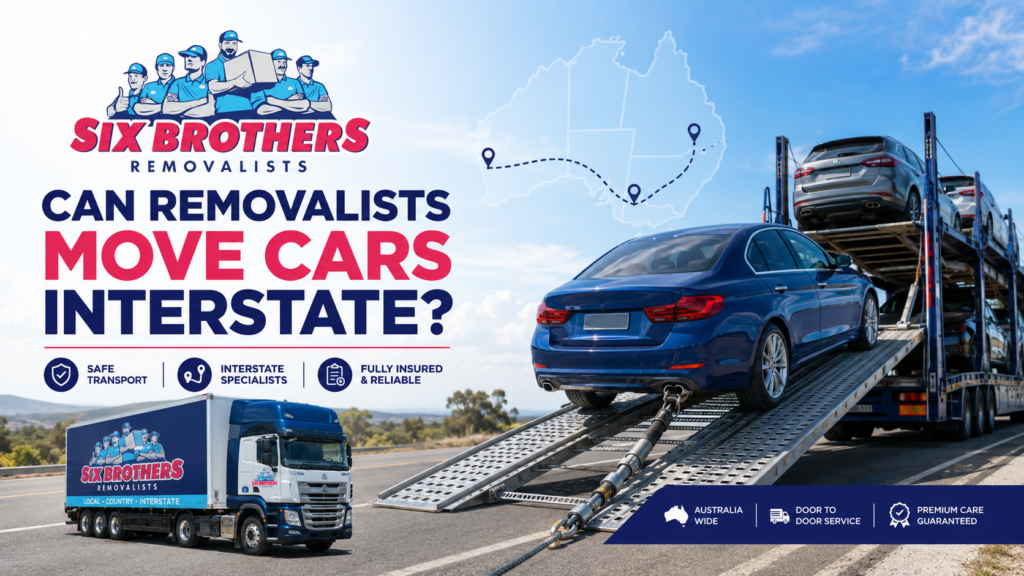
Here’s the part that surprises people. Your car rarely rides in the furniture truck. Instead, your removalist arranges a specialist car carrier. Cars need a car carrier, not a moving van.
You still deal with one team, though. Your removalist coordinates the car leg for you. That’s the beauty of it. You never have to chase a separate car company.
Think of them as the conductor. They line up the right truck for each part of your move. So you book once, explain your move once, and let them handle the rest. Simple.
Behind the scenes, they know which carriers are reliable. That saves you a big research job. You avoid the risk of picking a dodgy operator on your own. You get the benefit of their network without lifting a finger. That network is why one call can move your whole life, car included.
Interstate Car Transport Options Removalists Offer
There’s more than one way to move a car. Here are the two main choices. Each suits a different budget and level of effort.
Door-to-Door Transport
The carrier collects your car from your address. Then delivers it to your new door. It’s the easy option. No trips to a depot at either end.
Perfect when you’re flat out with the rest of the move. Just hand over the keys. It costs a bit more than depot service. But the convenience is hard to beat.
Depot-to-Depot Transport
You drop the car at a depot and collect it from one. More effort, less cost. It suits movers with a depot near home or their new place. You drop off when it suits you, within their hours. The saving can be worth the short drive. Ask your removalist what’s nearby.
Types of Vehicles Removalists Can Move Interstate
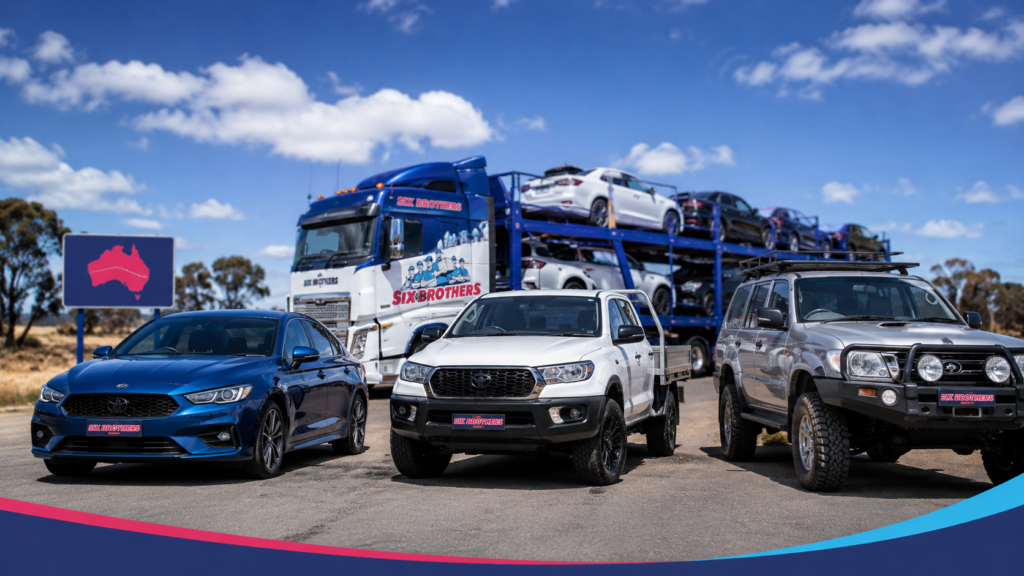
Removalists can arrange transport for far more than a standard sedan. The list is long. Hatchbacks, sedans, utes, and 4WDs all travel well. So do vans and small trucks.
Family cars are the most common load by far. They fit any carrier. Motorbikes, boats on trailers, and even classic cars can be arranged too. Tall or modified vehicles just need a heads-up first. Height and clearance can affect the carrier.
Whatever you drive, ask when you book. There’s usually a way to move it. Even oversized or heavy vehicles can travel with the right carrier. The key is telling your removalist exactly what you’ve got, upfront. Give the make, model, and any quirks. Then they match the right carrier.
Did you know?
Most cars that reach an Australian dealer arrive on an open car carrier, the same kind of truck a removalist arranges. It’s a safe, proven way to move a vehicle long distances.
Can Removalists Move Non-Running or Unregistered Cars Interstate?
Got a car that won’t start or isn’t registered? You’ve still got options. It just takes a little extra planning. Here’s how each case works.
Running Vehicles
A car that starts and drives is the easiest to move. It rolls straight onto the carrier. Loading is quick and simple. This is the standard, low-fuss case. The crew drives it straight up the ramp and secures it. Straps hold it firm for the whole trip. Nothing shifts on the road.
Just leave about a quarter tank and hand over a key. Most cars fall into this easy group. Loading takes only minutes.
Non-Running Vehicles
A car that won’t start needs winch loading. Not every carrier offers it. Tell your removalist upfront so they arrange the right gear. It affects the price too.
Spring this on the crew on the day, and you risk a failed pickup. A failed pickup can mean a wasted fee. So always mention a non-runner early.
Unregistered Cars
An unregistered car can still be transported. It’s on a truck, not the road, after all. But confirm it with your carrier first. Some have their own rules for unregistered vehicles.
Have proof of ownership ready. It smooths the whole process. Rego papers or a bill of sale usually do the job.
Winch Loading Needs
Winch loading pulls a still car onto the carrier safely. It’s a specialist job. Mention it early so the crew brings the right equipment. Winch loading is safe and common. It just needs the right gear on the truck.
A clear description of the car helps them plan the load. Photos of the car help even more. The crew knows what to expect.
Sydney Pickup Challenges for Interstate Car Transport
Sydney streets weren’t built for big carriers. A little planning goes a long way. These local hurdles trip up plenty of movers. Sort them early and pickup day runs smooth.
Narrow Street Access
Tight terraces and lanes are a squeeze for a carrier. Some can’t fit at all. Suggest a wider nearby street for pickup. It saves a failed collection. Watch for low branches and speed humps too. Carriers dislike both. A slightly longer walk to a wide street beats a cancelled pickup.
Apartment Loading Zones
Unit basements are a no-go for carriers. The clearance is far too low. Arrange a street-level spot with room to load. Tell the crew in advance. A clear, flat area makes loading safe and quick.
Ask your building manager about a loading bay. Many blocks have one. Book it in advance if your building needs notice.
Carrier Clearance Issues
Big trucks need height and turning room. Overhangs and tight corners cause grief. Send the carrier a photo of your street. They’ll tell you if their truck fits.
It’s a two-minute check that saves a wasted trip. Mention any shared driveway or gate too. Access details matter.
Suburb Pickup Planning
Every Sydney suburb has its quirks. Inner-city is tight, outer suburbs are easier. Plan the pickup spot to match your street. Your removalist can advise. A little prep here keeps the whole move on track.
Your removalist knows the local streets well. Lean on that experience. From Parramatta to Bondi, they’ve seen every kind of Sydney street.
Key Vehicle Transport Restrictions to Keep in Mind
A few firm rules apply to every car move. Know them before pickup day. They keep the move safe, legal, and smooth. None of them are hard. They just need a quick tick before pickup.
No Goods Inside
Carriers usually can’t legally transport goods inside the car. Empty the cabin and boot. Loose items can shift and cause damage anyway. So clear it out fully.
Send your household goods with your furniture removalist instead. It also protects your car’s interior from shifting boxes.
Low Fuel
Leave about a quarter tank of fuel. It’s enough to load and unload. A full tank adds weight and a small fire risk. Low fuel is safer for transport. It’s a simple step that carriers always appreciate.
It also keeps the carrier lighter and safer on the road. Just enough to drive on and off is all the crew needs.
Quarantine Laws
State borders have biosecurity rules. Soil and plant matter on a car can be a problem. Give the car a wash first. Check the interstate quarantine rules for your route.
Clean wheels and mud flaps especially. It keeps you on the right side of the rules. A dirty car can be held or cleaned at the border. That means delays and fees.
Interstate Car Transport Costs, Preparation and Insurance
Three things decide a smooth car move. Cost, prep, and cover. Get these sorted and the rest falls into place.
Cost
Cost depends mostly on distance and car size. Longer routes cost more. Here’s a rough guide for common runs out of Sydney.
Vehicle Preparation
Clean the car so any mark is easy to spot. Then photograph it from every angle. Empty the car, remove loose parts, and leave a quarter tank. Fold in the mirrors.
A little prep now avoids a big headache at delivery. Do it the day before, not on pickup morning. A calm start helps.
Insurance Coverage
Reputable carriers carry transit insurance, but cover varies. Always ask what’s included.Check the excess and the claims process. It helps to know what car insurance covers before you book.
Confirm the cover in writing. Then you know exactly where you stand. Ask about the excess amount too. It’s the part you’d pay in a claim. Check if your own car insurance covers transport too. Sometimes it helps.

Car Transport vs Towing vs Driving Interstate
Three ways to move a car. Each has a best-fit situation. Here’s how professional transport stacks up against doing it yourself.
Best for Long Distances
Professional transport wins on long hauls. Sydney to Perth is no fun to drive alone.Your car rides on a carrier and arrives without the wear. You skip days behind the wheel. That’s the big draw.
For a near-new car, you also protect the resale value. Buyers check the odometer first. Fewer kilometres keep it worth more.
Best for Urgent Moves
Driving can be faster for a short, urgent trip. You leave the moment you’re ready. For long distances, though, a dedicated carrier can still be quick. Remember, driving fast over long distances brings fatigue risk.
Ask about express options if timing is tight. A firm deadline is worth flagging early. It shapes the booking.
Best for Budget Control
Depot-to-depot transport keeps costs low. So does bundling with your furniture move. Small changes to your plan can add up to real savings.
Flexible dates? Interstate backloading can trim the price further.
Weigh the true cost of each option before you decide. The cheapest path on paper isn’t always the cheapest overall. Count fuel, time, and wear before you call driving cheaper.
How Long Interstate Car Transport Usually Takes?
Transit time depends on the route and the carrier’s schedule. Some legs are quick, some slow. Sydney to Melbourne or Brisbane can take one to three days. Sydney to Perth may take one to two weeks.
Weather, depot schedules, and pickup points can all add time. Build a buffer into your plans. A Sydney to Adelaide removalist job usually sits somewhere in the middle for timing.
Ask your carrier for a delivery window, not a fixed day. Long routes give a range. Plan your first days around the later end of that window. Then a delay never catches you out. Keep a small essentials bag with you, just in case.
Benefits of Moving Your Car and Furniture Together Interstate
Here’s where booking with a removalist really pays off. One team, one plan, one less thing to juggle.
One Moving Plan
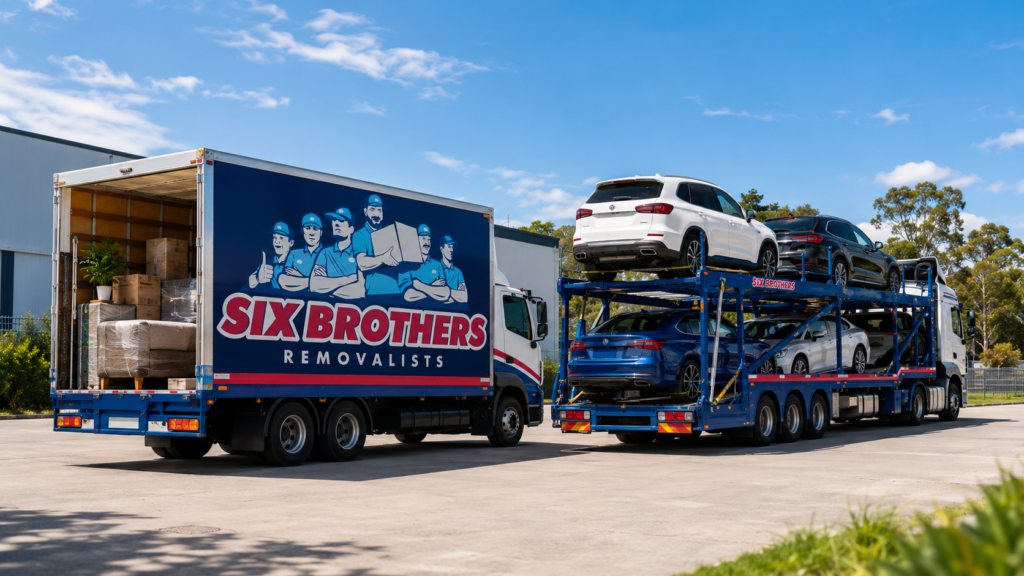
Your car and your home move under a single plan. Everything lines up neatly. You explain your move once, not twice. That alone takes a load off. It’s the whole idea behind proper interstate furniture removalists who handle it all.
Easier Scheduling
One team syncs the car and furniture dates. No chasing two firms. Your arrivals land close together. That smooths your first days. Less back-and-forth means less stress overall. One invoice, one contact, one plan. That’s the appeal.
Less Driving Stress
You skip the long solo drive across the country. No fatigue, no motels. You can fly and beat the truck there. Then settle in while it all arrives. No overnight stops, no service bills, no tired arrival.
On a big move, that saved energy is priceless. Moving is tiring enough without a cross-country drive on top.
Better Move Coordination
A Sydney to Melbourne removalist job with the car included runs like clockwork. One point of contact keeps everyone on the same page. If a date shifts, one call sorts both the car and the furniture. Use our moving home calculator to map the whole move at once.
Want your car and furniture on one plan?
Six Brothers can coordinate both interstate. Call 1300 764 372 or email info@sixbrothersremovalist.com.au for a free quote.
How to Book Vehicle Transport With Your Removalist?
Booking is simple once you know the steps. Have a few details ready. Tell your removalist the car make, model, and whether it runs. Note any mods or low clearance. Give both pickup and delivery addresses, with access notes. Flag tight streets early.
The clearer your details, the smoother the pickup. Small notes make a big difference. Then ask for a bundled quote covering car and furniture. Confirm insurance and dates in writing. Ask what could push the price up too. Then there are no shocks on the day.
Keep the booking confirmation handy. It has the details you’ll need at pickup. That’s it. Your removalist lines up the carrier and keeps you posted.
What Happens During Interstate Vehicle Pickup and Delivery?
Pickup and delivery follow a clear routine. Knowing it helps you feel in control. At pickup, the crew inspects the car and notes its condition. You check and sign the report.
They load it onto the carrier and record the odometer. Then it’s off to your new state. You’ll get updates along the way on most routes. A quick call confirms progress.
At delivery, you inspect the car again. Compare it against your photos and the report. Take your time here. A careful check now beats a dispute later.
Only sign off once you’re happy. Your signature accepts the car as delivered.
What to Check After Your Car Is Delivered Interstate
The final check is your safety net. Don’t rush it. Run through this before you sign the delivery papers.
If you spot damage, note it on the report straight away. Take photos on the spot. Then lodge a claim with the carrier’s insurer. Your records make it easy.
Act quickly, as insurers often have a tight window to lodge a claim. Keep every photo, report, and email together. A tidy record speeds things up. Most deliveries go perfectly. But this quick check is your safety net.
Common Mistakes When Booking Interstate Car Transport
A few simple slip-ups cause most of the drama. Dodge these and you’re golden.
Booking Too Late
Leave it late and you pay more for fewer options. Slots vanish on busy routes. Book two to three weeks ahead. It saves money and stress. Peak periods like school holidays fill first. Get in early.
Ignoring Access Limits
Forget about your tight street and you risk a failed pickup. That can cost a fee. Check truck access before the day. Suggest a wider spot if needed.
A quick photo to the carrier settles it. It takes a minute and saves a costly failed pickup.
Missing Condition Photos
Skip the before-photos and you’ve got no proof if damage shows up. Don’t risk it. Photograph the car from every angle before pickup. Timestamp them if you can.
These photos are your best defence in any claim. Store them in the cloud with your booking details. Then they’re safe.
Choosing on Price Alone
The cheapest carrier isn’t always the safest. Cut-price often means cut corners. Check reviews, insurance, and clarity too. Value beats the lowest number. A trusted team costs a little more and saves a lot of grief.
Read a few recent reviews before you commit. They tell you a lot. Look for mentions of care, timing, and clear pricing.
The Bottom Line
So, can removalists move cars interstate? Yes, and it’s often the smartest way to do it.
They arrange the right carrier, sync it with your furniture, and keep it all under one plan. You skip the long drive, dodge the double-booking, and save time and money.
Best of all, one team owns the whole move. Nothing slips through the cracks. If you’re moving from Sydney, Six Brothers Removalists can handle your car and your home together.
Get your free quote today. Call 1300 764 372 or email info@sixbrothersremovalist.com.au. One team, one plan, no surprises.
Frequently Asked Questions
Can removalists move cars interstate?
Yes. Many removalists arrange interstate car transport alongside your household move. Your car usually rides on a specialist car carrier, not the furniture truck. You still deal with one team, who coordinate both legs. It’s a simple way to move your car and home together.
How much does it cost to move a car interstate with a removalist?
Car transport cost depends mostly on distance and car size. A short haul like Sydney to Melbourne costs less than Sydney to Perth. Door-to-door costs more than depot-to-depot. Bundling with your furniture move can lower the total. Ask for one combined quote.
Can removalists move a non-running car?
Yes, but it needs winch loading, and not every carrier offers it. Tell your removalist upfront, since it affects the gear and the price. The same goes for unregistered, lowered, or modified cars. Flag it early to avoid a failed pickup.
How long does interstate car transport take?
Transit time depends on the route. Sydney to Melbourne or Brisbane can take one to three days. Sydney to Perth may take one to two weeks. Weather and depot schedules can add time. Ask your carrier for a delivery window and build a buffer into your plans.
Can I move my car and furniture together?
Yes, and it’s often the smoother option. Your removalist arranges car transport alongside the furniture move. That means one team, one timeline, and one point of contact. It usually works out cheaper than booking two separate providers.
Do removalists use their own truck to move cars?
Usually not. Cars need a specialist car carrier, not a furniture van. Your removalist arranges that carrier for you. You still book through one team, who manage the whole move. It keeps everything under a single plan.
How much do interstate removalists cost?
Interstate removalist costs depend on distance, volume, and dates. Adding car transport changes the total too. Bundling your car and furniture often lowers the price. A free quote gives you the exact figure for your full move.
Do removalists have insurance?
Most reputable removalists carry transit insurance, but cover varies. The same applies to any car carrier they arrange. Always ask what’s included and what’s excluded. Confirm the details before you book, so you’re protected if something goes wrong.