


Table of Contents
Moving after 20 years in one home takes more than packing boxes. You’re sorting family history, years of practical purchases, and rooms that have quietly become storage. Start early, make decisions in small batches, and give every item a clear destination. In Sydney, access, parking and settlement dates can also shape the moving plan.

Phase 1: The Emotional & Strategic Prep (2–3 Months Out)
Start with a plan that respects the life you’ve built, not a rushed clean-out. A long-occupied home holds more than furniture. It holds routines, memories and things you forgot you owned. In Sydney, begin early if your move date depends on settlement or a smaller property becoming available.
3 to 6 Months Out (Early Planning & Decluttering)
If you have three to six months, use the extra time to make steady decisions. Set one small area for each decluttering session, such as a linen cupboard, bookshelf or spare-room drawer. Keep a written timeline and review it every Sunday. Slow and steady wins the race, especially when every cupboard tells a story.
Separate Sentiment from Utility
Sort items by what they mean to you and whether you still use them. A chipped mug from a family holiday may matter more than an expensive appliance you never touch. Keep meaningful items, photograph bulky keepsakes, and let go of duplicates that no longer serve you. You don’t have to throw away the past to make room for the next chapter.
The “Adult Children” Deadline
Give adult children a clear, kind deadline to collect belongings they want to keep. Send a list and photos, then agree on a collection date. If they cannot collect an item, ask whether they want it donated, sold or recycled. Good fences make good neighbours, and clear family boundaries can prevent last-minute tension.
The Black Bag Strategy
Use a black bag only for obvious rubbish or items nobody can safely reuse. Keep donations and recycling in separate, labelled containers. Don’t bag up documents, photos, medicines or mystery items without checking them first. When in doubt, pause and ask someone you trust.
Create a Master Document Binder
Keep moving quotes, settlement details, utility dates, insurance contacts, receipts and inventory notes in one folder. Store identity documents and medication information separately, where you can reach them quickly. Make a digital backup of key records and keep it protected. A tidy paper trail is worth its weight in gold.
Phase 2: Targeted Downsizing & Asset Liquidation (6–8 Weeks Out)
Use this phase to decide what earns a place in your next home and what should be sold, donated, stored or recycled. Avoid trying to sell everything. Your time has value too.
Establish a Financial Threshold
Set a minimum price for selling items, based on the time needed to photograph, list, answer messages and arrange collection. If an item is worth very little, donation may be the simpler option. For antiques or collectables, seek a suitable appraisal rather than guessing. Don’t let perfect pricing delay the move.
Measure Your New Footprint
Measure rooms, doorways, hallways and lift access at the new property. Compare those measurements with your larger furniture, including wardrobes, dining tables and lounge suites. Sketch a simple floor plan and mark where each piece will go. Measure twice, move once.
Aggressively Purge Duplicates
Choose the best version of items you own in multiples. This often means spare kettles, cookware, tools, side tables, linen and cleaning gear. Keep enough for your real routine, not every possible occasion. Donate usable goods early so charities or community groups have time to arrange collection.
1 to 2 Months Out (Logistics & Admin)
Confirm your moving date, key handover times, utility changes and any strata rules. Tell your removalist about stairs, narrow access, long carries and parking limits. If you’re comparing house removalists, ask each provider to quote from the same inventory and access details. Clear information helps avoid a moving-day surprise.
Phase 3: Systemic Packing & Admin (3–4 Weeks Out)
Pack in a consistent system so boxes arrive at the right rooms and essentials stay easy to find. A label that says “kitchen” is useful. “Kitchen, daily plates and mugs” is even better.
Source Uniform Boxes
Use sturdy boxes in a few practical sizes, and avoid making large cartons too heavy. Put books in smaller boxes and light linen in larger ones. Reinforce the base and label fragile items clearly. Uniform boxes stack more safely and make truck loading easier.
Pack by Target Room, Not Current Room
Label each box for the room where it will live in the new home. If your current spare room becomes a study, label those items “study” rather than “spare room”. Add a short contents note without listing valuable items in detail. This simple change saves time when the truck is unloaded.
Book a “Tech Transition” Window
Schedule time to back up computers, photograph cable connections and pack devices together. Keep chargers, remotes and Wi-Fi details in one clearly marked essentials bag. Arrange internet connection dates before the old service ends. Don’t unplug shared equipment until everyone has saved their work.
2 to 4 Weeks Out (Packing & Utilities)
Confirm electricity, gas, water and internet arrangements for both addresses. Update your postal address and tell banks, insurers, health providers and regular delivery services. Keep a checklist of each task and its completion date. If a job depends on another person, confirm it rather than assuming it’s sorted.
Check Forgotten Storage Areas Before Moving
Check hidden and outdoor storage before you finalise the inventory. These areas often contain bulky items that affect truck space, labour time and disposal plans.
Roof Spaces and Under-House Storage
Use safe access only and don’t climb into a roof space without suitable flooring, lighting and protection. Check old suitcases, decorations and boxes from previous moves. Watch for signs of pests, water damage or suspect building materials. If something looks unsafe, stop and arrange qualified help.
Garages, Sheds and Workshops
Sort tools, garden gear, paint, spare timber, camping equipment and old appliances. Separate items you’ll move from those that need special disposal. Photograph shelves before dismantling them and keep small fittings in labelled bags. If you have a lot of outdoor equipment, include it in your removalist quote.
For a more detailed task list, use the garage clear-out checklist when sorting outdoor storage.
Off-Site Storage and Forgotten Boxes
Visit storage units early enough to review every box. Don’t assume old labels still describe what’s inside. Mark each box keep, donate, recycle or dispose, then update your inventory. Check access hours and collection rules before arranging a removal truck.
Hidden Cupboards and Built-In Storage
Check linen cupboards, under-stair spaces, built-in wardrobes and kitchen corners. Remove shelf contents before measuring furniture or planning access. Don’t assume built-in fixtures are yours to take. Confirm what stays with the property before removing fittings.
Preserve 20+ Years of Family Memories and Records
Protect irreplaceable memories before general packing begins. Photos and letters can be more valuable to a family than expensive furniture, so give them a separate plan.

Digitise Old Photos and Home Videos
Scan the photos you care about most first, then work through the rest in manageable batches. Use clear filenames and group images by year or event. For old videos, choose a reputable conversion service if you lack suitable equipment. Keep at least two backups in separate places.
Protect Family Albums and Letters
Pack albums flat in a clean, dry box and avoid overfilling it. Wrap loose photos in archival sleeves or acid-free paper where possible. Keep letters away from damp garages and direct sunlight. Carry the most irreplaceable pieces with you.
Archive Fragile Paper Keepsakes
Use protective folders for certificates, handwritten notes, old maps and family documents. Don’t tape directly onto paper or photos. Store the box away from liquids and heavy objects, and mark it for careful handling.
Securely Destroy Unneeded Personal Records
Review old bills, bank statements and paperwork before discarding them. Retention periods depend on the document and your circumstances, so check official Australian guidance when unsure. Shred papers containing account details or other private information. Don’t put confidential records in an open recycling pile.
Avoid Safety Risks During a Major House Clear-Out
A major clear-out can involve awkward loads, dusty spaces and unfamiliar hazards. Protect yourself first, and ask for help before a task becomes risky.
Avoid Unsafe Lifting and Ladder Work
Don’t lift heavy furniture alone or twist while carrying boxes. Use proper equipment and trained help for bulky items, steep stairs and awkward turns. Avoid standing on chairs or unstable ladders to reach high shelves. It’s better to take longer than risk an injury.
Check for Dust, Mould and Pests
Wear suitable protection when sorting dusty storage, and keep children and pets away from affected areas. Don’t disturb mouldy materials or suspected asbestos. If you find signs of pests, seal off the area and seek appropriate advice before packing nearby items.
Arrange Help for Heavy Clear-Outs
Book help for pianos, safes, large cabinets, machinery and packed workshops. Tell the provider about stairs, tight corners and access limits. For ordinary household loads, a professional crew can help reduce strain and keep the day moving. Many hands make light work, but only when the task is safe.
Dispose of Long-Stored Household Waste Safely
Check local disposal rules before you put old household waste on the kerb. Sydney councils have different collection processes, accepted items and booking limits.
Check Council Bulky Waste Rules
Check your council’s current bulky-waste service, including booking windows and item limits. Don’t leave goods out before the approved collection time. Reusable furniture may suit donation or resale better than disposal.
Did you know?
Bulky-waste collection rules can differ between Sydney councils. Check your local council’s accepted items, booking limits and collection dates before putting anything out.
Recycle Old Electronics and Batteries
Separate batteries, computers, cables and small appliances from general rubbish. Use an appropriate recycling drop-off or collection service. Tape battery terminals where the service recommends it, and keep damaged batteries away from heat.
Dispose of Paints and Garden Chemicals
Keep paint, fuel, oils and garden chemicals in their original labelled containers where possible. Never pour them down drains or into soil. Check a suitable local chemical collection service for accepted products and preparation rules.
Handle Suspected Asbestos Safely
If you suspect asbestos, stop work and avoid touching, cutting, sweeping or moving the material. Keep people away and contact a licensed asbestos professional for advice. Don’t place suspect material in household waste or a standard skip.

Decide What Needs Temporary Storage
Temporary storage can help when your new home is smaller or settlement dates don’t line up. It also adds cost and another handling step, so store only what you genuinely need.
Identify Furniture Needing Storage
List the pieces that won’t fit yet, seasonal items and belongings awaiting a family decision. Avoid paying to store low-value items you may never use again. Mark stored goods clearly so they don’t accidentally travel to the new address.
Compare Storage Options and Costs
Compare access hours, unit size, security, moisture protection, insurance terms and minimum rental periods. Ask whether collection and delivery are included or charged separately. The cheapest weekly rate may not be the cheapest option overall.
Separate Storage and Removal Loads
Create separate lists for the new home, storage and donation. Give your removalist the destination for every item before loading starts. Clear labels reduce the chance of furniture going to the wrong place.
Check Storage Access and Cover
Check whether you can access the unit when needed and whether the facility has trolley access or loading bays. Read the cover terms for stored goods, including exclusions. Keep irreplaceable documents and family keepsakes with you whenever practical.
Get an Accurate Removalist Quote for a Long-Occupied Home
The best quote starts with an honest inventory and a clear view of access at both homes. A house occupied for decades may contain more than the current room count suggests. Ask for a survey if the load is large or complex.
You can also visit Six Brothers Removalists to review the available moving services before requesting a quote.
Request an In-Home or Video Survey
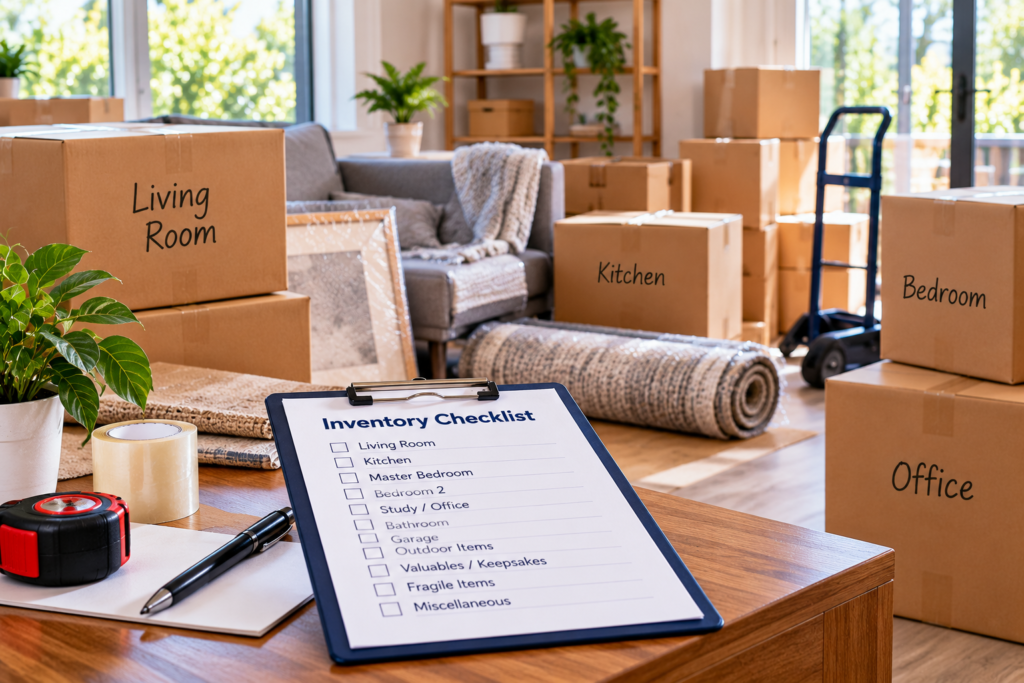
Show the removalist every room, cupboard, garage, shed and outdoor area included in the move. Point out items that need special handling and anything going into storage. A video survey can be convenient, but make sure the camera covers hidden areas and access routes.
Confirm Load Volume and Truck Capacity
Ask how the provider estimates volume and chooses truck size. Share the inventory and measurements for large furniture. If you’re unsure how much you own, a home moving calculator can help you prepare a starting list.
For a rough starting point, use the home moving calculator while preparing your inventory.
Check Access and Parking Restrictions
Explain narrow driveways, stairs, lifts, long carries, loading zones and limited street parking. Sydney terraces and unit blocks can have very different access needs. Ask who arranges any required parking approval and whether waiting time could cost extra.
Compare Labour and Packing Charges
Check the number of movers, estimated hours, minimum booking period and travel charges. Confirm whether packing materials and packing labour are included. Compare like with like instead of choosing the smallest headline price.
Confirm Additional Service Costs
Ask about dismantling, reassembly, heavy items, extra stops, storage delivery and delays. Get the agreed inclusions and possible extra charges in writing. A clear quote is easier to trust than a vague promise.
For a large family property, compare your inventory with the service details for house removalists and confirm which items need special handling.
Prepare Ageing, Fragile and Oversized Furniture
Older furniture may need more care because joints, finishes and repairs can weaken over time. Photograph important pieces and tell your removalist what needs careful handling.
Check Loose Joints and Old Repairs
Inspect tables, chairs, cabinets and bed frames for loose joints or past repairs. Don’t tighten antique fittings without knowing how they were made. Tell the crew about weak areas before lifting.
Protect Antiques, Mirrors and Artwork
Use suitable wrapping and sturdy cartons for mirrors and framed artwork. Keep glass from pressing directly against hard surfaces. Ask about specialist packing for valuable or unusually shaped pieces.
Plan for Pianos, Safes and Heavy Items
Tell the removalist about pianos, safes, large stone pieces and oversized cabinets before booking. Share approximate dimensions and access photos. These items may need extra people or specialist equipment.
Photograph Existing Furniture Damage
Take clear photos of scratches, chips and loose parts before moving day. Save them with your inventory and avoid editing the originals. This gives you a fair record of each item’s condition.
Protect Valuable Possessions During the Move
Keep valuable and irreplaceable items accounted for before the truck arrives. Make a list, take photos and understand the limits of any insurance or transit cover.
Record High-Value Item Conditions
Record the condition of antiques, artwork, instruments and valuable electronics. Keep receipts or appraisals where available. Don’t put detailed lists of expensive items on the outside of boxes.
Check Existing Contents Insurance
Contact your insurer and ask whether your policy covers goods while they are being moved. Cover can depend on policy wording, who transports the goods and what caused the loss.
Review Transit Insurance Exclusions
Ask for the policy wording, excess, claim steps and exclusions before relying on transit cover. Check requirements for owner-packed boxes, fragile goods and high-value items. Don’t assume every type of damage is covered.
Keep Irreplaceable Valuables Separate
Carry passports, keys, essential documents, jewellery and small sentimental items yourself where possible. Keep medication and daily essentials in a separate bag. Don’t leave these items mixed into the general household load.
The Final Week (The Transition)
Use the final week to confirm details rather than start big new sorting projects. Check the arrival time, contact number, access plan and handover schedule. Keep one printed checklist where everyone can find it.
A practical three-month moving house checklist can help you check that early tasks haven’t slipped through the cracks.
Pack the last daily-use items only when you’re ready to leave them behind. Keep cleaning supplies separate from belongings going into storage. If the plan changes, tell your removalist early rather than waiting until the truck arrives.
The “First Night” Survival Kit (Pack Last, Carries with You)
Pack a first-night kit and keep it with you, not buried in the truck. You’ll want basic comfort without opening every box. Think of it as your landing pad after a long day.
Bedding
Pack sheets, pillows, a light blanket and anything needed for a comfortable first night. Check that beds can be assembled before you pack every tool.
Basic Tools
Keep a small, safe set of basic tools for simple furniture assembly and opening cartons. Pack sharp or hazardous tools securely and keep them away from children.
Bathroom Essentials
Include toilet paper, hand soap, towels, toothbrushes and everyday toiletries. Keep cleaning products sealed and separate from food and bedding.
Daily Medications
Carry prescribed medication in its original packaging and follow your usual instructions. Keep important health information accessible, and don’t pack daily medication into the moving truck.
Electronics Chargers
Pack phone chargers, a power board if suitable, and essential device cables. Keep Wi-Fi details and emergency contacts easy to find.
Prepare Your Long-Occupied Home for Final Handover
Finish with a careful walkthrough so you don’t leave behind belongings, documents or items needed for handover. Check the sale or tenancy requirements before removing fixtures or arranging repairs.
Confirm Fixtures and Included Items
Check the agreed list of fixtures, appliances, keys and other included items. Don’t remove anything that must remain with the property. If the agreement is unclear, confirm it with the relevant agent or solicitor.
Arrange Cleaning and Minor Repairs
Book cleaning and any agreed minor repairs with enough time to finish before handover. Keep receipts and take notes of completed work. Don’t start repairs that could affect safety without qualified help.
Photograph Empty Rooms
Take dated photos of empty rooms, cupboards, outdoor areas and any agreed fixtures. These images create a record of the property’s condition at handover.
Hand Over Keys, Remotes and Manuals
Gather keys, garage remotes, access cards, appliance manuals and relevant paperwork. Label them clearly and hand them over through the agreed process. A final checklist helps make sure nothing gets missed.
FAQs
Planning a move in Sydney?
Get a free quote from Six Brothers Removalists by calling 1300 764 372 or emailing info@sixbrothersremovalist.com.au. Share your inventory and access details so the team can understand the job before moving day.
How should I start preparing to move after 20 years in the same house?
Start with a written timeline, then sort one small area at a time. Begin with low-sentiment items and leave irreplaceable records for careful review.
When should I start decluttering before moving house?
If possible, start three to six months ahead. A longer lead time gives you room to donate, sell, measure furniture and make decisions without rushing.
How do I decide what to keep when downsizing?
Measure your new space, keep items you use or value, and review duplicates. Consider the cost and effort of moving or storing each item.
How can I protect old family photos during a move?
Keep albums flat in a dry box, use protective sleeves for loose photos, and carry the most irreplaceable items yourself. Back up digital copies in two locations.
How do I get an accurate removalist quote for a long-occupied home?
Provide a complete inventory and show the removalist every storage area. Explain stairs, parking, long carries, special items and anything going into storage.
Should I use storage when moving to a smaller home?
Storage can help when dates do not line up or you need time to decide. Compare the full cost and avoid storing items you are unlikely to use.
What should I keep with me on moving day?
Keep identification, keys, medication, important documents, chargers and irreplaceable valuables with you. Pack a first-night kit for easy access.