


Table of Contents
An insurance inventory records what you own before an interstate move starts. It also records each item’s condition, value, and proof. That record can support quotes, packing choices, and later insurance discussions. Think of it as a passport for your belongings.
Start before boxes cover the floor and receipts disappear into drawers. Record valuable, fragile, electrical, and hard-to-replace items first. Then work room by room through the ordinary household contents. What happens if something arrives damaged and you cannot prove its earlier condition?
For removalist insurance Australia, the policy wording matters as much as the inventory. A removalist’s business insurance may differ from cover for your goods. Existing home insurance can also contain limits, event rules, or exclusions. Better safe than sorry.
This guide shows a practical system for Australian interstate moves. It covers photos, values, receipts, serial numbers, packing responsibility, storage, and box tracking. It also explains what to confirm before relying on any transit cover.

Choose a Digital Inventory Format Before Your Interstate Move
Choose one digital format before you start recording anything. The best system is simple enough to update during packing. It should also open easily from your phone. Keep one master copy and one backup copy. That keeps your ducks in a row.

Spreadsheet
A spreadsheet works well for most households because it stays flexible. Use columns for room, item, box number, condition, value, and receipt status. Add a photo folder name beside each important item. Filters make large inventories easier to check.
Give each row one clear item or one clearly described carton. Avoid vague entries like “miscellaneous stuff” for valuable boxes. Write “kitchen appliances, toaster, blender, coffee grinder” instead. Clear wording can reduce confusion during delivery checks.
Inventory Apps
An inventory app can speed photos, labels, and barcode tracking. Choose an app that exports data into a common format. PDF, CSV, and spreadsheet exports are useful. Avoid locking your only copy inside one device.
Test the export before packing day. Open the file on another phone or computer. Confirm photos stay connected with the correct items. A fancy app is useless if your evidence cannot travel with you.
Cloud Folders
Cloud folders keep receipts, photos, videos, and valuations together. Create one main folder for the move. Inside it, use room folders and a separate insurance folder. Name files with dates and item names.
For example, save “2026-09-TV-front-condition.jpg” instead of “IMG_4837.jpg”. Do the same for invoices and valuation documents. Simple names make later searches much faster. No worries when everything has a home.
Visual Record
Your visual record should show the item and its condition before packing. Take wide photos first, then detail photos. Include model labels or serial plates where useful. A photo record is a timestamped map of what left home.
For a fuller method, use our guide to photographing belongings before an interstate move. Keep those images beside your written inventory. The two records work better together than either works alone.
Match Your Inventory With Interstate Moving Insurance Coverage
Match your inventory to the actual cover before the truck arrives. Do not assume every item receives the same protection. Ask for policy documents and read the important limits. A fair go starts with clear expectations.
Call Your Provider
Call your home insurer or insurance provider before packing begins. Ask whether contents stay covered during an interstate relocation. Confirm whether cover applies during loading, transit, unloading, and temporary storage. Write down the answers and call reference.
Ask whether the insurer needs advance notice of your new address. Also ask about overlapping cover at both homes. Some policies use time limits or event limits. Your inventory should reflect those rules.
Verify Removalist Policies
Ask the removalist exactly what insurance applies to your booking. Business liability cover and goods cover are different things. Ask who the insurer is and what documents apply. Request the Product Disclosure Statement when relevant.
The Australian Furniture Removers Association advises consumers to confirm a removalist is qualified to arrange insurance. AFRA also recommends checking the policy documents. Keep copies beside your inventory.
Six Brothers has a dedicated removal insurance page for customers reviewing cover options. Still read the terms that apply to your booking. Insurance details should stay above board.
Compare Values
Compare your recorded values with any policy limits before finalising the list. Expensive items can exceed category limits or declared-value thresholds. That may include jewellery, artwork, musical instruments, cameras, and premium electronics.
Use current evidence when possible. Receipts, valuations, model numbers, and recent comparable prices can help. Do not inflate values without support. An accurate figure is easier to explain if a claim needs evidence.
Did you know?
A removalist’s business insurance is not automatically the same as cover for your household goods. Check the policy that applies to your move, including loading, transit, unloading, and any storage period.
Check Transit Insurance Requirements Before Packing
Check insurance requirements before sealing the first carton. Claims often depend on timing, evidence, and exclusions. Your inventory should mirror those requirements from day one. Measure twice, cut once.
Coverage Start Date
Record when the relevant cover starts and stops. Some protection may begin at loading or pickup. Other policies may include packing or storage periods. The exact wording controls the answer.
Add the policy start date to your move folder. Also record delivery dates and any approved storage period. If the schedule changes, ask whether the cover changes too.
Claim Evidence Rules
Read the evidence rules before you rely on your photos. Some claims may need receipts, valuations, repair quotes, or proof of ownership. Others may require prompt notice after delivery.
Build those needs into your inventory now. Add receipt status, photo status, serial number, and condition notes. Good evidence is easier to collect before something goes wrong.
Declared Value Limits
Declared value limits can affect what you should record most carefully. Flag any item near a category or policy limit. Put supporting paperwork in the same digital folder. Keep the original wording from valuation documents.
For groups of similar items, use sensible detail. A single line for cheap kitchen utensils may work. A designer dining set should receive its own record. Horses for courses.
Policy Exclusion Notes
Create an exclusions column for items that need special attention. Note conditions about owner packing, fragile contents, cash, jewellery, plants, or pre-existing damage. Do not bury these notes in a separate email.
This guide gives general information, not financial advice. Your policy wording decides what is covered. CHOICE also recommends checking existing contents cover and moving limits.
Create a Room-by-Room Insurance Inventory
Build the inventory room by room so nothing important gets skipped. Finish one room before starting another. Use the same fields for every item. A stitch in time saves nine.
Item Name
Use a specific item name that another person can understand. Write brand and model where practical. “Samsung 65-inch television” is clearer than “TV”. “Oak six-seat dining table” is clearer than “table”.
For cartons, list broad contents and risk level. Example labels include “books”, “glassware”, and “computer accessories”. Keep confidential details out of visible box labels.
Serial Number
Record serial numbers for electronics, appliances, tools, and other identifiable goods. Photograph the serial label as backup. Serial numbers can help distinguish one similar item from another.
Do not delay the whole inventory for missing numbers. Mark the field as unavailable and continue. You can return later if the number becomes accessible.
Condition
Describe condition before the item is wrapped or dismantled. Note scratches, chips, dents, stains, cracks, or missing parts. Keep language factual and short.
Pair each note with a clear photo. If a table already has a corner chip, record it. That protects both you and the removalist from later confusion.
Estimated Value
Record a reasonable estimated value for important items. Use receipts, valuations, or current comparable products where sensible. Keep the basis for your estimate in the notes.
Separate replacement cost from sentimental value. A family photo may be priceless emotionally. Insurance may still assess it under specific policy rules.
Purchase Date & Receipts
Add the purchase date when you know it. Then mark whether a receipt, invoice, or valuation is available. Digital copies are easier to keep with the inventory.
If receipts are scattered, scan them before removal day. A clear receipt can connect ownership, value, and model information. Keep the paperwork together and you are laughing.
Collect Photo, Video, and Receipt Proof for Claims
Collect proof before packing changes the scene. Use photos, video, receipts, and short condition notes together. One source can support another. Don’t put all your eggs in one basket.
Take Wide Photos
Wide photos show the full item and its surrounding condition. Photograph furniture from several sides before blankets cover it. Include doors, drawers, legs, and major surfaces.
For rooms, take one overview before packing starts. That image can show what was present. It can also help you spot anything missing during unpacking.
Take Close-Ups
Close-up photos should capture fragile areas and existing marks. Photograph glass corners, artwork frames, appliance doors, and polished surfaces. Keep focus sharp and lighting even.
Add one identification photo when possible. A model plate or serial number can connect the image with your written record. That makes the evidence easier to follow.
Film a Video Walkthrough
A video walkthrough can show the home before packing begins. Move slowly through each room. Pause briefly on valuable or fragile items. Say the room and date if useful.
Keep the video factual and short. Avoid a twenty-minute shaky recording with no structure. Several short room videos can be easier to review.
Dig Up Receipts
Receipts can support ownership, purchase date, and original price. Search email, retailer accounts, cloud storage, and finance records. Save digital copies beside each relevant item.
A missing receipt does not mean you should omit an item. Add other evidence where available. Photos, manuals, serial numbers, and valuations may still help.
High-Value Items
High-value items deserve their own records and separate evidence folders. Include jewellery, artwork, instruments, designer furniture, collectibles, and professional equipment. Add recent valuations where appropriate.
Keep portable valuables with you when practical and permitted. Do not hide high-value goods inside unmarked cartons. Your inventory should show who carries each item.
Pre-existing Damage
Pre-existing damage should be recorded before anyone handles the item. Use one close photo and one wider photo. Add a short note that identifies the exact area.
This is not about blaming anyone before the job starts. It creates a fair baseline for both sides. Clear records keep things sweet.

Identify Items With Limited or Excluded Insurance Cover
Flag items that may have limited, conditional, or excluded cover. Do this before packing and before choosing transport arrangements. Policy details can vary widely. Better to know the score early.
Jewellery and Cash
Keep cash, jewellery, passports, and similar portable valuables under your control. Many moving policies treat them differently from ordinary household goods. Check the exact policy terms.
Record valuable jewellery privately rather than on visible cartons. Keep photos, valuations, and receipt copies in a secure folder. Do not leave sensitive records inside the moving truck.
Antiques and Artwork
Antiques and artwork need accurate descriptions, condition photos, and reliable values. Note frames, glass, artist details, dimensions, and known defects. Professional valuations can help for significant pieces.
Ask whether specialist packing or declared values are required. Fragile art can need different handling from normal furniture. Treat special pieces like special pieces.
Plants and Perishables
Plants and perishables can face transport restrictions and insurance exclusions. Heat, delay, water, and lack of ventilation create extra risks. Check acceptance rules before loading.
List any approved plants separately from household cartons. Record who is transporting them. If they travel with you, mark that clearly in the inventory.
Loose Fragile Items
Loose fragile items should not disappear into vague carton descriptions. Record glassware, ceramics, mirrors, lamps, and delicate decor carefully. Note whether professional packing is used.
If owner-packed cartons have different claim conditions, flag them. That distinction becomes important later. Keep the paperwork clean as a whistle.
Separate Owner-Packed and Removalist-Packed Items for Claim Clarity
Record who packed each carton or fragile item. Packing responsibility can matter during later damage discussions. Add one simple field to the master inventory. Keep it clear and above board.
Packed by Owner
Mark owner-packed cartons as owner packed before sealing. Photograph valuable contents where sensible. Then photograph the sealed carton and its box number.
Do not rely on memory after a long interstate trip. One hundred similar boxes can blur together. A simple packing-status field removes that problem.
Packed by Removalist
Mark cartons packed by the removalist team. Note any specialist packing for artwork, televisions, mirrors, or fragile furniture. Keep the service description with your booking documents.
If the team creates its own packing list, save a copy. Compare it with your master list before departure. Both lists should tell the same story.
Carton Seal Status
Record when high-value cartons are sealed. A quick photo can show the carton number and seal condition. Do the same before delivery opening when practical.
This is especially useful for storage or shared-load moves. It gives each handover a clearer record.
Fragile Packing Notes
Use fragile packing notes for items needing unusual care. Examples include upright transport, no stacking, custom crates, or blanket wrapping. Keep instructions short and visible.
Do not confuse handling notes with insurance promises. One describes how the item should travel. The other depends on the policy terms.
Number and Track Boxes Against Your Inventory List
Number every carton and match that number to your inventory. Use a simple format like K-01 for kitchen. Bedrooms can use B1-01 or B2-01. A box number acts like a postcode for your belongings.
Record the destination room, broad contents, packing responsibility, and risk notes. Keep sensitive details in the private digital list. The outside label only needs enough information for safe handling.
Use our moving inventory list guide if you need a broader tracking structure. Tick boxes during loading when practical. Tick them again during delivery.
Do not panic if the crew uses its own numbering system. Add their number beside yours. Two identifiers can coexist without causing trouble. Smooth sailing comes from matching records.
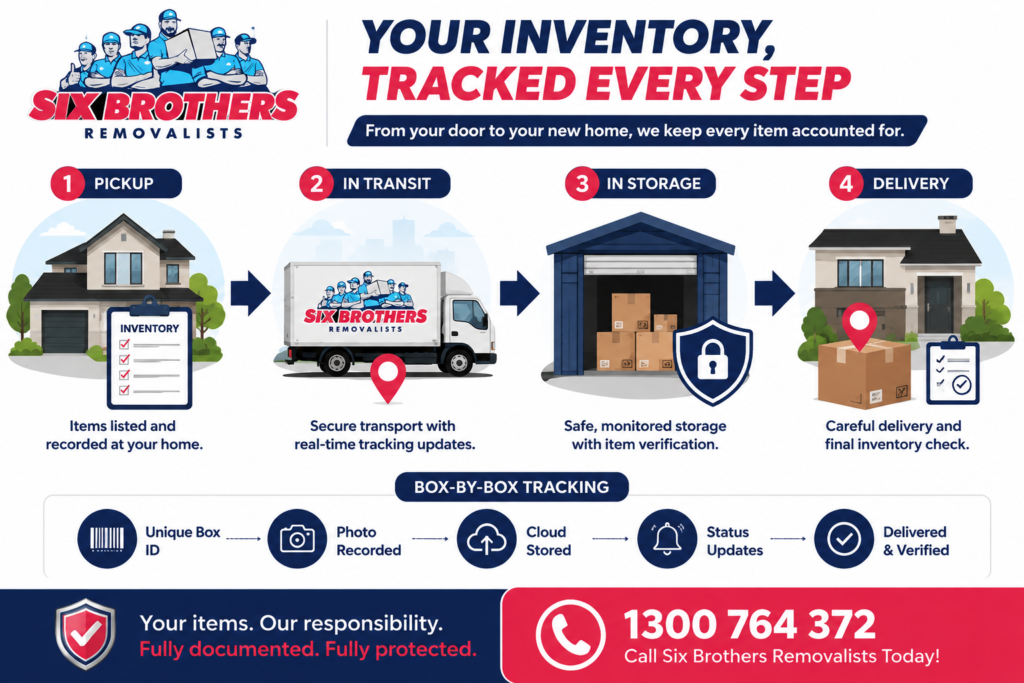
Prepare Inventory Records for Storage-in-Transit and Delivery Delays
Extend the inventory when goods enter storage or delivery gets delayed. Add dates, location, handover details, and condition checks. Long moves create more handover points. Forewarned is forearmed.
Storage Dates
Record the date goods enter and leave storage. Keep booking confirmations and approved extensions. Ask how any insurance period applies during storage.
If storage lasts longer than planned, update the record immediately. Do not rely on the original move date. Your timeline should show what actually happened.
Warehouse Handling
Note each known warehouse or storage handover. Record provider details and reference numbers. Photograph sealed high-value cartons before storage when possible.
Keep any storage inventory supplied by the operator. Compare its box count with your list. Numbers should reconcile before final delivery.
Moisture Risk
Flag items sensitive to moisture or temperature changes. Timber furniture, artwork, documents, electronics, and textiles can need extra care. Ask about storage conditions before agreeing.
Use breathable or suitable protective materials where needed. Avoid trapping existing moisture inside wrapped items. Prevention beats cure.
Access Restrictions
Record access details that could affect loading or redelivery. Note stairs, lifts, loading docks, parking limits, narrow streets, and long carries. These factors can change handling plans.
Share access notes before the final delivery date. That helps the removalist choose suitable equipment and staffing. A little planning goes a long way.
Use the Same Inventory Method Across Australian Moves
The same evidence system works across different routes and removal services. The core record stays the same even when distance changes. Keep the item, condition, value, proof, and packing status consistent. That is the long and short of it.
For Sydney customers, interstate removalists in Sydney may handle long-distance household or business loads. People also compare a removalist Sydney, Sydney removalists, and interstate removalists Sydney. The inventory helps each quote start from the same list.
The method also suits cheap removalists Sydney, affordable removalists Sydney, and full service removalists Sydney. It works for removalist in Sydney searches and removalists in Sydney comparisons. It also helps when reviewing best removalists Sydney claims.
Route planning changes, but evidence rules remain useful. That includes removalists Sydney to Melbourne and interstate removalists Sydney to Melbourne. It also includes removalist Sydney to Melbourne and Sydney to Melbourne removalists.
The same approach works for removalists Sydney to Brisbane and interstate removalists Sydney to Brisbane. It suits removalist Sydney to Brisbane and Sydney to Brisbane removalists. Adelaide and Canberra routes need the same disciplined records.
You can use it for removalists Sydney to Adelaide and interstate removalists Sydney to Adelaide. It also suits removalists Sydney to Canberra, removalist Sydney Canberra, and Sydney to Canberra removalists. A removalist from Sydney should still receive one clear inventory.
This process applies beyond one city. It can support removalists western Sydney and removalists Parramatta. It also works with removalists Melbourne, removalists Brisbane, interstate removalists Melbourne, and interstate removalists Brisbane.
Different service types benefit too. House removalists, office removalists, furniture removalists, and piano removalists all handle different risks. Interstate furniture removalists and a furniture removalist may need more detailed condition notes.
People may compare furniture removalists Sydney, office removalists Sydney, and house removalists Sydney. They may also compare interstate removalist Sydney and Sydney interstate removalists.
International removalists may request additional paperwork, especially across borders. Removalist truck hire creates different responsibility again. A removalist furniture inventory still helps separate cartons, furniture, and owner-carried valuables.
Search terms like removalists near me and removalist near me can bring many removalist companies. Cheap removalists may look attractive on price alone. Compare insurance information, written terms, and inventory processes before booking.
Six Brothers Removalists supports Sydney and interstate relocations across Australia. Keep your inventory ready when requesting a quote. That gives the team a clearer starting point for planning.
Prepare the Inventory Before the Truck Arrives
Finish the core inventory before removal day. Update it only for genuine last-minute changes. Save a cloud copy and an offline copy. Give the removalist any handling notes that affect the job.
Your inventory cannot guarantee an insurance claim will succeed. It can make the facts much clearer. Good records show what existed, what condition it had, and how it travelled.
For help planning an interstate relocation, speak with Six Brothers Removalists on 1300 764 372. You can also email info@sixbrothersremovalist.com.au. Keep the quote, booking details, and insurance documents beside your inventory.
A careful inventory turns a stressful move into a more controlled process. It is not glamorous, but it is useful. Get the paperwork right early, and the rest feels far easier.
FAQs About Insurance Inventories for Interstate Moves
Do Removalists Have Insurance?
Some removalists carry business insurance, but that does not automatically insure your household goods. Ask what cover applies to your booking. Request the relevant policy documents. Confirm whether goods are covered during loading, transit, unloading, and storage.
Are Removalists Liable for Damage?
Liability depends on the circumstances, contract, consumer law, and any insurance policy. Do not assume every damaged item receives automatic replacement value. Keep condition evidence and report problems quickly after delivery.
What Should an Insurance Inventory Include?
Include item names, room, box number, serial number, condition, estimated value, and purchase date. Add receipt status, photo status, packing responsibility, and special handling notes. High-value items need stronger evidence.
Should I Photograph Everything Before Moving Interstate?
Photograph valuable, fragile, electrical, and easily damaged items at minimum. Wide photos show the whole item. Close-ups show condition and identifiers. A room overview also helps confirm what was present.
Do I Need Receipts for Every Item?
Receipts are useful, but many households cannot produce one for every possession. Record other evidence where receipts are missing. Photos, serial numbers, manuals, valuations, and account records may help.
How Should I Record Owner-Packed Boxes?
Mark them as owner packed and assign each carton a unique number. List broad contents and fragile items privately. Photograph important contents before sealing. Then photograph the sealed numbered carton.
What Should I Do With High-Value Items?
Create individual records for expensive or hard-to-replace items. Add receipts, valuations, serial numbers, and condition photos. Keep portable valuables with you when practical. Check policy limits before removal day.
How Long Should I Keep the Inventory After Delivery?
Keep the inventory until you have checked every item and resolved any issue. Retain insurance and claim records longer when needed. Cloud storage makes this easy without keeping paper everywhere.