


Table of Contents
Moving from a Federation house can take more planning than a newer open-plan home. A Federation house move in Sydney often involves separate rooms, long halls, verandahs and original finishes. These details shape the loading route, crew setup, protection plan and removalist quote. The aim is simple: move every item safely while keeping the home’s character intact.
A clear plan makes the day feel more like a well-rehearsed dance. It also helps your removalists spot tight access before the truck arrives.

A Ceremonial Sense of Arrival
The entrance of a Federation home often sets the pace for the entire move. It may look grand, but door width, hall length and floor finishes still matter. First impressions count, yet the first few metres matter more on moving day.
The Grand Entrance Threshold
Traditional entrance halls create a clear arrival point and a narrow handling route. Measure the front door, inner door and hall width before collection. Include handles, door stops and fixed entry furniture. A front door sets the tone, so protect its frame before lifting begins.
The Transition
Many Federation homes move from a formal hall into separate reception rooms. This change affects how crews stage chairs, cabinets and boxed items. The hall works like a funnel, so avoid stacking boxes near doorways. Keep the path clear from the first room to the next.
The Reveal
A second doorway can reveal a larger sitting room or garden-facing space. That route may suit larger pieces, but check its turns first. The best is saved for last, but the back room is not always the easiest exit. Map both routes before collection.
Functional Separation & Daily Privacy
Separate rooms offer privacy, but they also split furniture across more spaces. A place for everything keeps the loading plan tidy. List each room and note what leaves, stays or needs special handling.
Acoustic Sanctuaries
Separate bedrooms and sitting rooms can keep daily activity apart. That layout lets crews work without filling every room at once. Peace and quiet matter, so agree which rooms stay clear during loading. Keep children and pets away from carrying routes.
Dedicated Task Zones
Some homes have a study, formal dining room, breakfast nook or utility room. These zones may hold fragile equipment, paperwork and daily essentials. Pack them as separate groups and label them clearly. Keep work and play apart, especially when someone works from home.
Sensory Delights Throughout the Day
Light and airflow can guide furniture placement after arrival. Windows and doors need clear access during and after the move. Make the most of what you have, especially in older rooms.
Chasing the Light
Large sash or casement windows can shape how a room feels. Place desks, sofas and reading chairs without blocking window handles or curtains. Check the way light falls before choosing tall cabinets. Catch the morning sun, but do not cover the window for storage.
The Breezeway Effect
Opposing windows and open doors can help air move through a home. Keep the route between them clear where practical. Avoid parking large cabinets or boxes in that line. Let the breeze do its thing, and leave windows usable after unloading.
An Emotional Anchor and Sense of Scale
Federation details give a home much of its personality. Moving plans should protect them while making rooms practical again. Home is where the heart is, and small details help keep that feeling.
Architectural Storytelling
Brickwork, timber trim, leadlights and ceiling details can reflect the home’s period. These elements deserve a clear path and extra care. Do not attach tape or labels to original finishes. Every house has a story, so note the features crews should avoid. For examples, see the Inner West Council guide to Federation-era architectural features.
Framed Garden Vistas
Garden-facing windows and French doors can shape furniture placement. Keep views clear where the room’s layout allows. Measure sofas, dining tables and sideboards against window openings. A window to the world is worth keeping open, not hiding behind a cabinet.
Volumetric Space
High ceilings can make rooms feel airy and give taller items more vertical clearance. But ceiling height does not solve narrow doors or tight corners. Measure tall cabinets and bedheads in their transport position. Room to breathe matters, but the route still sets the limit.
Ornamental Character
Decorative timberwork, architraves, cornices and ceiling roses need protection. Keep furniture corners away from posts and trim. Photograph fragile details before the move. The devil is in the detail, especially around original joinery.
The “Modern Heritage” Hybrid Compromise
A modern Federation renovation can mix open living with formal rooms. The move plan should follow the home you have, not an old floor plan. The best of both worlds works when updated furniture fits the original structure. Mark renovated openings, fixed cabinetry, island benches and changed access points. Do not assume a wider room means a clear truck route.
If the property is heritage-listed, check council advice before changing fixed features. Moving furniture is different from altering the building fabric. Keep those jobs separate in your planning.
The Furniture Route Needs a Pre-Move Clearance Check
Furniture access should be checked before the truck arrives. Measure every part of the route, not just the front door. Measure twice, move once, is the rule here.
Doorway and Hallway Measurements
Measure door clear width and height at the narrowest point. Include handles, hinges, skirting boards, architraves and door stops. Check internal doors from the hall into each room. Record stair, landing and corridor widths too. A tape measure beats guesswork.

Tight Turns and Landing Space
Large sofas, wardrobes and dining tables need turning space. Measure the diagonal where a straight lift will not work. Check stair turns, landing depth and low ceilings. Why leave the hardest turn until the heaviest item arrives? Take it one step at a time and plan a second route.
Furniture Disassembly Before Collection
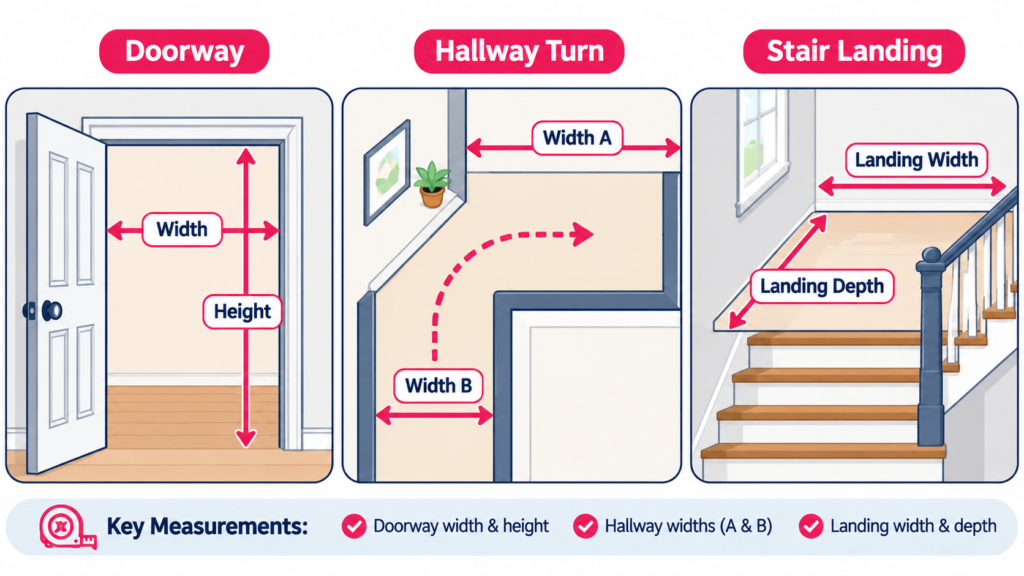
Remove legs, shelves or bed frames only when safe and suitable. Keep screws and fittings in labelled bags. Photograph complex pieces before dismantling. Many hands make light work, but clear labels make reassembly easier. Tell the removalist which items need dismantling before collection. A clear room-by-room move sequence also helps crews work in a sensible order.
Protecting Original Finishes During Loading
Heritage finishes need protection before furniture starts moving. A small scrape can spoil an original feature. A stitch in time saves nine, so prepare each route early.
Leadlight Glass and Glazed Doors
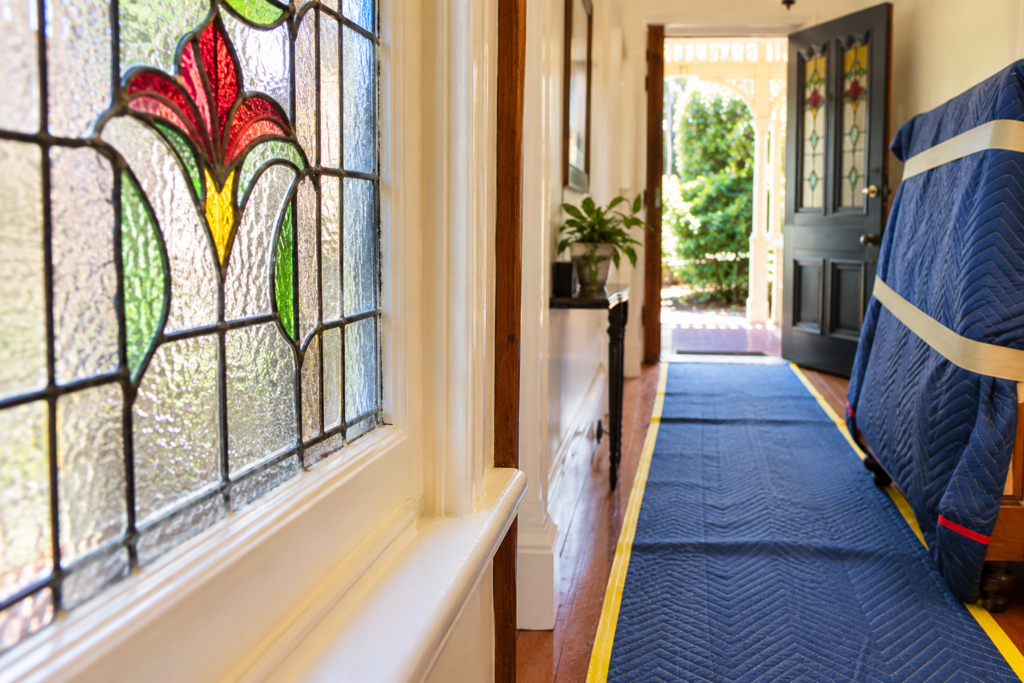
Leadlight glass and glazed doors are fragile parts of many period homes. Keep boxes, trolleys and tall furniture away from the glass. Use suitable protection and never press materials against delicate panes. Check the guide to packing materials for heritage homes before choosing wrap, padding and covers. Better safe than sorry, especially around original windows.
Did you know?
Federation homes can feature leadlights, bay windows, decorative timberwork, gables and verandahs. The exact details vary by property, so a walkthrough is more useful than assumptions.
Decorative Timberwork and Architraves
Decorative timber posts, fretwork and architraves can catch furniture corners. Pad vulnerable edges and keep the carrying route wide. Avoid adhesive tape on polished or painted surfaces. Treat the timber as part of the home, not spare space.
Original Floorboards and Tiled Surfaces
Original floorboards and tessellated tiles can mark under heavy loads. Confirm floor protection before the first item leaves its room. Keep grit away from walking routes. Look after the little things, because floor care starts at the front door.
Fireplace Surrounds and Fixed Features
Fireplace surrounds, mantels and built-in shelves stay in place during ordinary removals. Keep furniture and dollies clear of these fixed features. Note loose pieces or existing damage before loading. Keep the good bones safe, and never use the mantel as a staging shelf.
Verandahs and Side Access Change the Loading Setup
Verandahs and side paths can change the safest loading route. They may help access, but steps and narrow paths need planning. From the front step to the back gate, check every surface.
Front Steps and Raised Verandahs
Raised verandahs need clear measurements, stable footing and a safe approach. Check the height and number of steps. Look for handrails, posts, narrow landings and slippery tiles. Take the high road slowly, and do not rush heavy items down steps.
Side Paths and Rear Doorways
Side paths and rear doorways can offer an alternative exit. Their width may narrow near downpipes, taps or garden beds. Measure the whole path and check gate openings. Every inch counts, especially with wide lounges and bulky cabinets.
Protecting Outdoor Loading Routes
Clear pot plants, hoses, bins and loose mats before collection. Protect tiles and timber boards along the carrying route. Keep gates open only when the area stays secure. Leave no stone unturned, then keep the route clear.
Street Access Can Dictate the Vehicle and Loading Position
Truck access can affect vehicle choice and carrying distance. Older streets may have parked cars, trees, slopes or tight turns. Sydney streets can be a tight squeeze, so check the approach early.
Truck Clearance on Older Streets
Check overhead branches, awnings, power lines and street width. Also confirm where the truck can stop without blocking traffic. Share photos and address details with the removalist. Do not guess truck clearance from a map. The safe option beats a last-minute scramble.
Parking Restrictions and Loading Space
Parking rules vary by street and council area. Read signs and check time limits before moving day. A loading zone does not automatically provide a long parking bay. A clear run makes all the difference, so confirm the plan before booking.
Local Council Permits and Access Arrangements
Ask the relevant local council whether temporary kerbside space needs approval. Do not assume every suburb uses the same permit process. For properties inside the City of Sydney area, check its visitor parking permit rules. Check before you set off, and keep any approval details with your move plan.
How Heritage Access Conditions Affect the Removalist Quote ?
Heritage access can affect the time, crew and vehicle allowance in a quote. The price should reflect the actual route, not just the room count. Forewarned is forearmed, so share access details before you book.
A clear Sydney removalist quote should record these details:
- The furniture list, total volume and any oversized or unusually heavy items.
- Doorway widths, hallway turns, stairs, landings, verandahs and rear access.
- The distance between the truck parking position and the entrance.
- Any furniture disassembly, reassembly or special handling requested.
- Protection for leadlight glass, timberwork, floorboards, tiles and fixed features.
- The likely crew size, truck type, access limits and expected work time.
Ask each company to quote from the same inventory and access notes. Compare what each price includes, not only the total. What is a quote worth if it leaves out the hardest part?
A whole-house move checklist can help you capture rooms and items before requesting prices. For furniture handling, review the furniture removalist service. Sydney homeowners can also check the company’s Sydney removalist service area before arranging a local move.
Searches for removalists Sydney, furniture removalists Sydney and removalists near me can surface broad providers. A search for removalist near me still needs a heritage-specific check. House removalists and furniture removalists may offer general support, but check for Federation experience. A furniture removalist should ask about narrow halls, oversized cabinets and fixed features. People comparing removalist companies or cheap removalists should compare access planning, not only price.
The term removalist covers different jobs. Some providers handle house removalists, office removalists, interstate removalists and international removalists. Others list piano removalists or removalist truck hire. Those services need different plans, so check the crew’s experience with your property. Interstate furniture removalists and an interstate removalist may focus on route timing, not heritage access.
Search terms also vary by city. People may look for removalists Melbourne or removalists Brisbane, but this guide focuses on Sydney. The right removalist furniture plan starts with the actual house, its entrances and its street.
FAQs
How to Choose a Removalist?
Choose a company that asks about access, furniture size and fragile features. Share photos, measurements and a room list. Compare written quotes with the same scope.
Do You Need a Home Inspection From a Removalist?
Not every move needs an in-person inspection. Photos and a video walkthrough may be enough for simple access. A visit can help when halls, stairs or verandahs are tight.
What should I measure before moving from a Federation house?
Measure every door, hallway, stair turn, landing, side path and gate. Include the height and width of large furniture. Record the truck stopping point too.
How can I protect leadlight windows during a move?
Keep furniture and trolleys away from the glass. Ask the crew to plan a clear carrying route and use suitable protection. Never lean items against original panes.
Can removalists use a rear entrance or side path?
Often, yes, when the route is wide, safe and accessible. Measure gates and narrow points first. Share photos so the crew can check the route before moving day.
What can increase a Federation house removalist quote?
Long carrying distances, stairs, tight turns, extra handling and furniture disassembly can affect time. Parking limits and vehicle access can also change the plan.
Should I dismantle furniture before the removalists arrive?
Only dismantle items when the task is safe and agreed. Keep fittings labelled and take photos before taking pieces apart. Confirm who will reassemble each item.
A Federation house move runs better when access is clear and the quote reflects the real work. Six Brothers Removalists can review the furniture list and access details before moving day. Call 1300 764 372 or email info@sixbrothersremovalist.com.au for a free quote.