

You packed for weeks. The truck pulls up. Then the driver points at three boxes and says, “Sorry, those can’t go.” That moment stings. And it happens more than you’d think.
Every interstate move has a no-go list. Some items are banned by law. Others are refused for safety. A few just aren’t worth the risk. This guide walks you through what interstate movers won’t take, why, and what to do instead. No jargon. No surprises on the day.
Quick promise: by the end, you’ll know exactly what to set aside before the truck arrives.
We’ve loaded thousands of interstate trucks over the years. The same items trip people up every single time. It’s rarely the big stuff. It’s the half-full paint tin in the shed. The frozen meals in the freezer. The goldfish in the bowl.
None of it is your fault. Nobody hands you a banned list when you book a move. So let’s fix that right now.
Why Interstate Movers Refuse Certain Items
Think of a moving truck like a plane cabin. Some stuff just isn’t allowed on board. Interstate moves cross state lines. That means different road rules, longer transit, and stricter safety laws. A short local hop is one thing. A 900km haul is another.
Most reputable removalists follow the same logic. They refuse items that are dangerous, illegal, perishable, or impossible to insure. As the old saying goes, better safe than sorry. A good mover would rather lose one box than risk your whole load.
Three big reasons movers say no:
• Safety. Flammable or explosive goods can ruin a full truck.
• Law. Some items are restricted across state borders.
• Liability. Movers can’t insure cash, jewellery, or perishables.
Knowing this upfront saves you stress. It also helps you spot honest movers from dodgy ones. Here’s the good news. The banned list is mostly common sense once you see it.
Group the no-go items into five simple buckets. Hazardous goods. Perishables. Valuables. Pets. And restricted goods. Sort each bucket early and you’re sorted. The rest of this guide walks through every one in plain English.
Hazardous and Flammable Goods Movers Won’t Touch
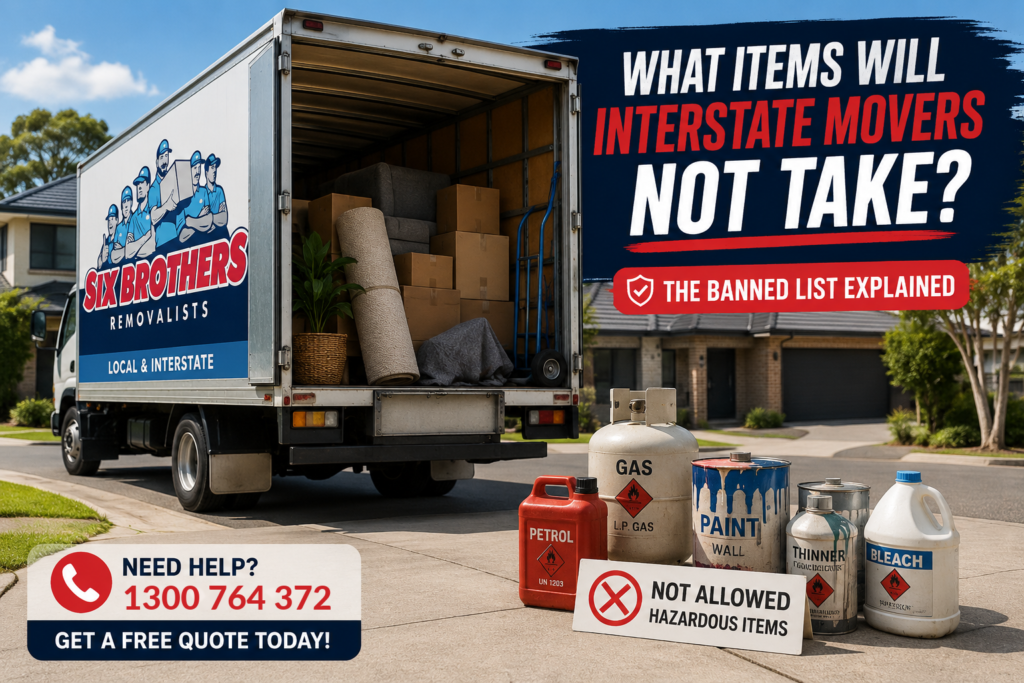
This is the biggest no-go group. And for good reason. Picture a sealed truck in 35-degree heat for two days. Now add a leaking petrol can. That’s a fire waiting to happen. Interstate removalists refuse anything that can ignite, explode, or leak. No exceptions, even if you beg.
Common banned hazardous items:
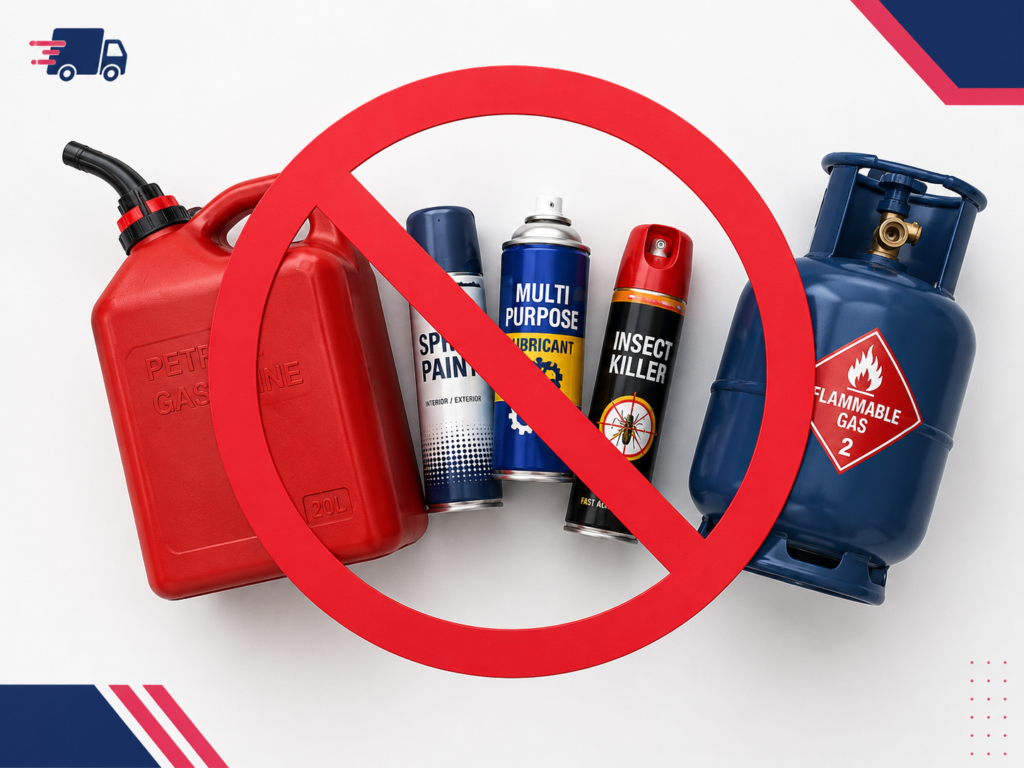
• Petrol, diesel, kerosene, and lighter fluid
• Gas bottles and BBQ cylinders
• Paint, thinners, and solvents
• Fireworks and ammunition
• Pool chemicals and bleach
• Aerosols and spray cans
• Car batteries and acids
What to do instead: Use up or give away fuel and chemicals before the move. Drain the mower. Empty the gas bottle. Drop hazardous waste at a local depot.
Here’s a story we see often. A family packs the garage last. They toss in half-used paint, a spare petrol can, and pool chlorine. The driver spots them and pulls them out. Now there’s a pile on the lawn and a tight schedule. Stress nobody needed. This is why honest movers walk your home first. They flag risky items before a single box is loaded.
Why do interstate rules feel stricter than a local move? Because the load sits in transit far longer.
A flammable item that’s fine for an hour becomes a real danger over two days. Heat builds. Pressure builds. Risk builds. Trusted interstate removalists will always flag these rules early. If yours doesn’t, that’s a red flag.
Perishable Food and Plants That Get Left Behind
Two days in a hot truck does ugly things to food. Trust us on this. Movers won’t take fresh, frozen, or open food. It spoils, smells, and attracts pests. Nobody wants maggots in the mattress.
Items movers usually refuse:
• Fresh fruit, veg, and meat
• Frozen and refrigerated food
• Open packets and leftovers
• Potted plants and soil
Plants are a special case. Many states have strict quarantine rules. Moving soil across borders can spread pests and disease. Queensland, WA, and Tasmania are very strict. Some plants get seized at the border. Why risk losing your prized fern?
Smart move: Eat down your fridge before moving day. Gift plants to neighbours. Or check state quarantine rules first.
Open pantry items are a grey area too. A sealed tin of beans is usually fine. An open bag of rice is not. Why? Open food draws ants, mice, and weevils. One bag of pasta can ruin a whole load of clean linen.
Spices and oils can also leak in the heat. Tape lids tight or leave them behind. Your sheets will thank you. Planning a big food and pantry clear-out is part of any good interstate move checklist. Sort it a week early, not the night before.
Valuables, Cash, and Irreplaceable Items
Here’s a rule worth tattooing on your hand. Never pack what you can’t replace. Movers won’t take responsibility for cash, jewellery, or vital documents. Not because they’re lazy. Because these items can’t be insured properly.

Keep these with you, not on the truck:
• Cash and bank cards
• Jewellery and watches
• Passports and IDs
• Wills and legal papers
• Medications and prescriptions
• Laptops, phones, and hard drives
• Family heirlooms and photos
Imagine losing your grandmother’s ring in a 40-box load. No payout fixes that heartbreak.
Best practice: Pack a personal box. Keep it in your own car. Treat it like your handbag at the airport. Think about it like this. You wouldn’t check your passport into airline luggage. Same logic applies here.
Important papers cause the most panic. People bury birth certificates deep in a random box. Then they can’t find them for weeks. Make a single “open me first” box. Phone chargers, meds, keys, and documents go in there. It rides with you, not the truck.
Good furniture removalists will tell you this too. Honest advice builds trust, and trust is what you’re really paying for.
Pets and Live Animals
Your dog is family. But the moving truck is no place for a living thing. Interstate removalists will not transport pets. No cats, dogs, birds, fish, or reptiles. The back of a truck has no air, light, or care. Some states also have animal entry rules. Moving a pet interstate often needs planning of its own.
Your options for pets:
• Drive them yourself in the car
• Book a specialist pet transport service
• Fly them with an airline pet program
A stressed pet on moving day is hard enough. Plan their trip separately and keep them calm. Fish and reptiles need extra care. Sudden temperature swings can harm them fast. A truck offers no climate control at all.
Book pet transport early. The good services fill up during peak moving months. Don’t leave it to the last week.
Hidden Items Movers Often Reject on the Day
Some refusals catch people off guard. These aren’t obvious, so they sting. A mover can decline an item if it’s unsafe to lift or load. This protects their team and your gear.
Things that can get a surprise no:
• Open or leaking containers. Anything that drips gets refused fast.
• Unsecured loose items. Pack drawers and shelves properly first.
• Dirty or pest-ridden goods. Movers won’t risk spreading bugs.
• Extremely heavy single items. Some pianos and safes need a specialist.
• Damaged gas appliances. Disconnected and certified is the rule.
This is why a quick chat before the move matters. The right questions stop nasty shocks on the day. It pays to ask the right questions before you book. A five-minute call saves a ruined morning.
Firearms, Weapons, and Restricted Goods
This one trips up more people than you’d guess. Especially folks moving from rural areas. Removalists will not transport firearms, ammunition, or weapons. The laws here are strict and vary by state.
Even licensed gun owners must handle this themselves. There are special rules for transport, storage, and registration across borders.
Items in this banned group:
• Firearms of any kind
• Ammunition and gunpowder
• Knives sold as weapons
• Replica or imitation guns
What to do: Contact your local police or firearms registry. They’ll guide you on legal interstate transport. Never hide a weapon in a box. Hiding restricted goods can void your insurance. Worse, it can land you in serious legal trouble. Honesty protects you.
Large Specialist Items That Need Their Own Plan
Some things aren’t banned. They just can’t ride with the standard load. Pianos, pool tables, and big safes need special gear. A normal two-person team can’t safely shift them alone. Most quality movers handle these. They just need a heads-up first. Surprise a crew with a grand piano and you’ll wait.
Items that often need a specialist quote:
• Upright and grand pianos
• Pool and billiard tables
• Large gun or document safes
• Spas and hot tubs
• Oversized artwork and sculptures
The fix is simple. List these items when you ask for your quote. A clear inventory means an accurate price. Hidden heavy items are a common cause of day-of arguments. Tell your mover everything upfront and avoid the fuss.
Appliances Movers Won’t Take Until You Prep Them
Your fridge can ride the truck. But not while it’s plugged in and full. Movers won’t load wet, dirty, or connected appliances. A leaking washer or warm fridge causes a mess and a delay.
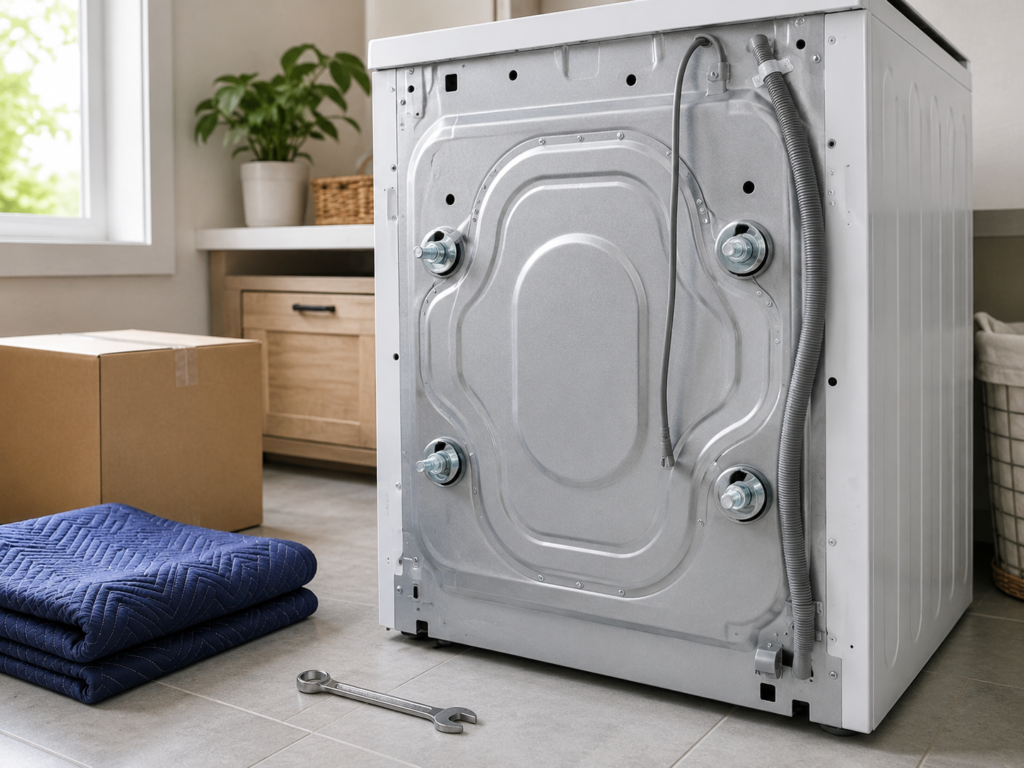
Prep these before the crew arrives:
• Fridges and freezers. Defrost and dry them a day before.
• Washing machines. Drain hoses and fit transit bolts.
• Dishwashers. Disconnect and dry the inside fully.
• Gas appliances. Have a licensed pro disconnect them.
A fridge left on overnight melts and leaks in transit. Then your boxes arrive damp and smelly. Easy to avoid. Gas stoves and heaters need a certified disconnect. Movers can’t legally unhook gas lines themselves. Book a plumber early.
Why does this matter so much interstate? Because the load shifts and tilts over long distances.
An unsecured washer drum can crack on a rough road. Transit bolts hold it firm. Skip them and you risk a costly repair. A good crew checks all this with you first. They’d rather wait ten minutes than ruin your kitchen gear.
Cleaning Products and Everyday Chemicals
Look under your kitchen sink. That cupboard hides a surprising no-go list. Many household cleaners are flammable or corrosive. Movers treat them like any other hazardous good.
Common items that get refused:
• Bleach and ammonia
• Oven and drain cleaners
• Nail polish and remover
• Hand sanitiser in bulk
• Methylated spirits and turps
These seem harmless on a shelf. But heat and pressure change everything in a sealed truck. A cracked bleach bottle can ruin clothes, rugs, and timber. One spill spreads through a whole pallet.
Easy fix: Use them up or pass them to a neighbour. Buy fresh at the new place. They’re cheap to replace. This is the kind of detail that separates a pro from a cowboy. Honest movers flag the sink cupboard early.
State Border and Quarantine Restrictions in Australia
Australia takes biosecurity seriously. Our borders aren’t just lines on a map. Moving interstate means crossing quarantine zones. Fruit, plants, soil, and even firewood can be restricted.
Items often stopped at state borders:
• Fresh fruit and vegetables
• Potted plants and cuttings
• Soil and garden waste
• Firewood and untreated timber
• Some honey and seeds
Western Australia and Tasmania are the toughest. Inspectors can search and seize at checkpoints.
Save yourself the drama: Check the quarantine rules for your destination state. A two-minute search beats a confiscated load.
Each state runs its own biosecurity program. What’s fine in NSW may be banned in WA. The lines really do matter. Firewood is a sneaky one. People load it to save money. Then border inspectors seize it on sight.
Soil carries the biggest risk. It can hide pests, weeds, and fungus. So shake the dirt off tools and pots. When in doubt, leave it out. A confiscated item is gone for good. No refund, no second chance.
A quick state-by-state feel for the rules
You don’t need to memorise every law. But a rough map helps you plan.
Western Australia. The strictest border in the country. Fruit, plants, and honey face heavy checks.
Tasmania. An island with tight biosecurity. Soil, plants, and produce are closely watched.
South Australia. Famous for its fruit fly zones. Fresh fruit and veg are a real issue here.
Queensland. Plant and soil checks apply. Some pests are banned from crossing in.
NSW and Victoria are a little easier. Still, basic produce and plant rules apply. Always check before you load. These rules change with the seasons too. A pest outbreak can tighten a border overnight. A quick search keeps you current.
Common Mistakes People Make With the No-Go List
Most no-go problems come down to timing. People leave the tricky stuff for last. Then moving day arrives and the garage is full of banned goods. Stress spikes and the schedule slips.
The mistakes we see most often:
• Packing the garage last. Fuel and chemicals get missed until the end.
• Forgetting the freezer. Frozen food can’t make a two-day trip.
• Hiding valuables in boxes. They get lost in the shuffle.
• Skipping appliance prep. Wet fridges and washers cause leaks.
• Not declaring big items. A surprise piano stalls the whole crew.
See the theme? Every mistake is fixable with a little planning. Start a week early and you sidestep them all. The smoothest moves we run share one trait. The customer sorted the no-go pile before we knocked.
So treat this guide as your early-warning system. Tick off each group and moving day stays boring. Boring is the goal.
What to Do With the Items Movers Won’t Take
So your no-go pile is growing. Now what? Don’t panic. Most banned items have an easy fix. The trick is sorting them early, not on moving morning.
Your simple action plan:
• Use it up. Burn through fuel, food, and cleaning products.
• Give it away. Offer plants and chemicals to neighbours.
• Dispose safely. Drop hazardous waste at a council depot.
• Carry it yourself. Take valuables and documents in your car.
• Book a specialist. Use pet transport for animals.
Sort your no-go pile a full week before the move. A calm plan beats a frantic scramble. Label three boxes in the garage. Mark them “use,” “give,” and “dispose.” Sort items as you find them.
This tiny habit saves hours. You’re not making big decisions on a stressful morning. The work’s already done.
How to spot a mover who hides the rules
Not every removalist plays fair. Some stay quiet about banned items to win your booking. Then they refuse stuff on the day. Or they charge extra to deal with it. That’s a classic cowboy move.
Watch for these warning signs:
• No clear list of restricted items
• A quote that seems too cheap
• Vague answers about insurance
• Pressure to book without a home check
A trustworthy mover tells you the no-go list before you pay. Transparency on day one means no nasty bill on day two. Want the full system? Our guide on what to know before moving interstate breaks every step into bite-sized tasks.
How Banned Items Affect Your Moving Insurance
Insurance is where the no-go list really bites. Most people learn this the hard way. Transit cover protects your goods on the road. But it won’t cover banned or undeclared items.
Pack a hidden petrol can and it leaks? You’re not covered. Worse, you could void cover on nearby items too.
What insurance usually won’t cover:
• Hazardous or flammable goods
• Cash, jewellery, and documents
• Perishable food and plants
• Items you packed yourself, in some cases
That last point surprises people. Some policies only cover boxes the movers packed. Always ask how yours works. So honesty pays twice. You stay safe, and you keep your cover valid. Hiding items just isn’t worth the gamble.
Ask your removalist for the cover details in writing. A clear policy is a sign of a serious company.
Why a Careful Mover Is Worth Every Dollar
By now you can see a pattern. The banned list is really about safety and trust. A cheap mover who skips these rules isn’t saving you money. They’re passing you the risk.
A careful mover does the opposite. They walk your home, flag the no-go items, and protect your load. Is it worth paying a bit more for that peace of mind? For most people, the answer is a clear yes.
Think of it like a good doctor. You want the one who tells you the truth, not the one who tells you what you want to hear. That’s the real value of a trusted crew. Fewer surprises, fewer losses, and a move that actually goes to plan.
Get a Clear Quote With No Hidden Surprises
Here’s the truth most cowboys won’t tell you. A cheap quote that hides the rules isn’t cheap at all.
At Six Brothers Removalists, we tell you the no-go list upfront. No vague promises. No “oops, that can’t go” on the day. Our crew walks your home, lists every item, and answers your questions. You get a clear price and a clear plan.
Based in Parramatta, we’ve helped Sydney families move for years. We know the borders, the rules, and the shortcuts. We move homes and offices across Australia. As your full-service interstate furniture removalists, we cover Sydney to Melbourne, Brisbane, Adelaide, and beyond. Upfront pricing, careful handling, real people.
Ready to move without the guesswork?
Get your free quote today. Call us on 1300 764 372 or email info@sixbrothersremovalist.com.au.
Packing Materials and Boxes That Cause Problems
Even your packing choices can slow a move down. Some boxes get a polite no. Movers love sturdy, sealed cartons. They hate flimsy bags, wet boxes, and overloaded crates.
What causes trouble at load time:
• Garbage bags full of soft items
• Damp or mouldy cardboard boxes
• Open-top boxes with no lid
• Boxes packed far too heavy to lift
A bag splits halfway up the stairs. Now your clothes are on the floor. Proper boxes stop that fast. Weight matters too. A book box should stay light enough to carry. Overpack it and the base just gives out.
Simple rule: Heavy items in small boxes. Light items in big ones. Tape every base twice.
Quality movers will gladly supply proper cartons. Ask about box packs when you book your quote. It’s a small cost that saves chaos. Sturdy boxes also protect your stuff on long interstate hauls. The road is bumpy, and good packing absorbs the shocks.
Your Pre-Move No-Go Recap
Let’s pull it all together. Here’s the short version you can act on today.
Keep these off the truck:
• Fuel, gas, paint, and chemicals
• Fresh, frozen, and open food
• Plants, soil, and firewood
• Cash, jewellery, and documents
• Pets and live animals
• Firearms, ammo, and weapons
Prep these the right way:
• Defrost fridges and freezers
• Fit washing machine transit bolts
• Get gas appliances disconnected
• Declare pianos, pool tables, and safes
Do this and your interstate move runs clean. No lawn pile, no border drama, no lost valuables. That’s the whole secret. Sort the no-go list early and the rest of the move feels easy.
Frequently Asked Questions
Do removalists disassemble furniture?
Yes, most do. Six Brothers can dismantle beds, tables, and large units before loading. We then reassemble them at your new place. It saves space in the truck and protects your gear. Just flag bulky items when you book your quote.
Do removalists have insurance?
Reputable ones carry transit and public liability cover. But insurance won’t cover banned items like cash, jewellery, or perishables. That’s why movers refuse them. Always ask what your cover includes before the truck rolls. A clear answer is the sign of an honest mover.
The Bottom Line on What Movers Won’t Take
A smooth interstate move starts with one simple habit. Know the no-go list before the truck arrives. Keep hazardous goods, perishables, valuables, and pets off the truck. Sort them early and you’ll dodge the day-of drama.
The best part? A mover who tells you all this upfront is a mover you can trust.
That’s the Six Brothers way. Clear rules, fair prices, and your stuff treated like our own. Moving interstate is a big step. You’re trusting strangers with everything you own. That trust should be earned, not assumed. So pick a mover who tells you the no-go list before payday. The right crew turns a scary day into a simple one.
Moving soon? Get your free quote from Six Brothers Removalists today. Call 1300 764 372 and move with zero surprises.