


Moving house is already a lot. Add a dog barking at every box. Or a cat hiding behind the dryer. Suddenly it’s a whole different level of chaotic.
Moving with pets is one of those things nobody really warns you about. You plan the truck. You book the removalists. You wrap the fragile stuff. But the animals? They sort of become an afterthought until moving day hits and everything unravels.
This guide covers everything. From moving with a cat to moving with a dog to flying with pets in Australia. Whether you’re moving interstate with pets or just crossing the suburb, this is the practical stuff that actually helps.
Why Moving House Feels Stressful for Pets
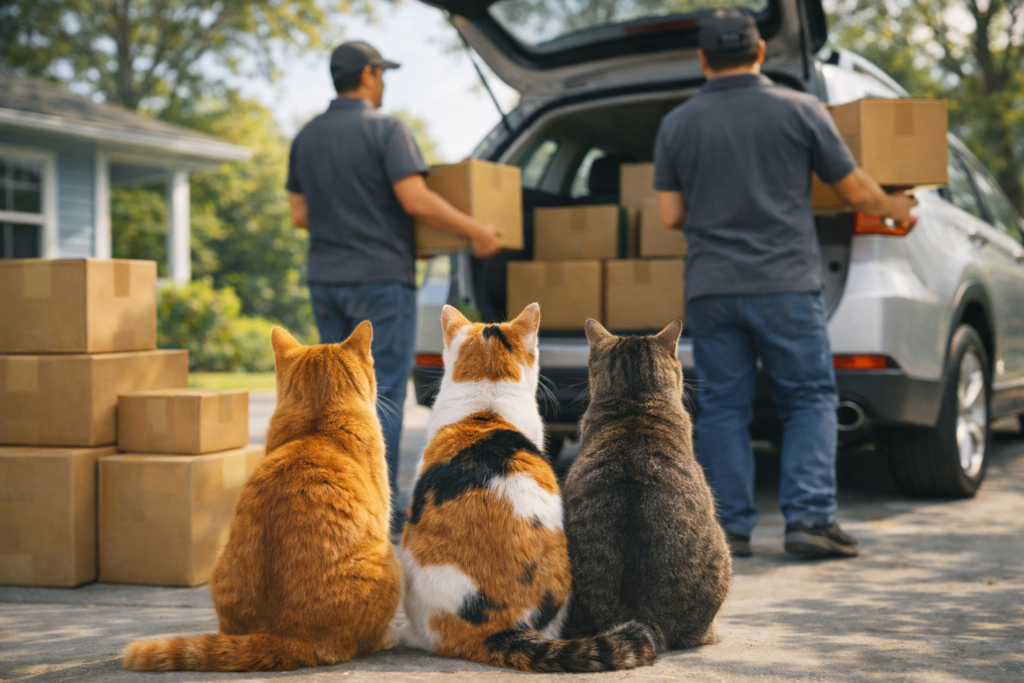
Pets don’t understand “we’re moving.” They just see their world getting dismantled. And that’s genuinely scary for them.
Dogs rely on territory and scent. When boxes cover their spot on the floor, they lose their anchor. Cats are even more attached to their physical space. Change the furniture layout and a cat will stress. Actually pack everything and move houses that’s a full emotional event for them.
Small animals like rabbits, guinea pigs, and birds? Even more sensitive to environment shifts. Noise, unfamiliar smells, strangers carrying things it all stacks up fast. The anxiety your pet shows isn’t drama. It’s a real neurological stress response. Understanding that changes how you approach the whole move.
Understanding the Emotional Impact of Moving on Pets
Think of your pet’s home like a map drawn in smells. Every corner, every rug, every scratch on the skirting board it all means something to them.
When you start packing, that map starts disappearing. The emotional impact of moving on pets shows up in ways people miss. Hiding. Refusing food. Over-grooming. Barking at nothing. Acting clingy or suddenly distant.
Moving with a dog who won’t settle is exhausting. Moving with a cat who disappears for 3 days in the new house is nerve-wracking. These aren’t behavioural problems. They’re stress signals.
The good news? A bit of prep goes a long way. Like the old saying goes a stitch in time saves nine. A few weeks of gradual change beats a cold-turkey overnight move every single time.
Preparing Your Pet for a House Move
Start early. That’s the golden rule.
Don’t wait until the week before. Start leaving boxes out weeks in advance. Let your pet sniff them. Walk around them. Ignore them. That desensitisation process matters more than people think.
Keep feeding, walking, and play schedules consistent. Routine is a stress buffer for animals. If their feeding time stays the same while everything else changes, it gives them something reliable to hold onto.
Avoid deep cleaning your pet’s bedding before the move. Yes, it sounds gross. But familiar scents are comforting. Washing everything removes the smell-cues your pet relies on for security. Save the wash for after they’ve settled in.
Preparing for a Pet Move
Update Information
Before anything else update your pet’s microchip details and ID tags. If your pet bolts during the move, outdated information is a disaster. New address, new phone number, done. Takes five minutes online. Do it now, not on moving day.
Also update your vet records with your new address. If you’re moving interstate with pets, you’ll need records transferred anyway.
Veterinary Check
Book a vet check 2 to 4 weeks before moving day. Get a full health assessment. Ask specifically about anxiety medication or calming supplements for pets that stress easily.
For moving interstate with pets, especially flying with pets in Australia, you’ll need a current health certificate. Interstate transport rules vary by state. Your vet will know what documentation applies.
Grab a copy of vaccination records, microchip certificates, and any prescription history. Keep them in a separate folder, not buried in a box.
Acclimatisation
Introduce carrier boxes and travel crates early. Leave them open with a blanket inside. Let your pet explore voluntarily. Do short practice drives. Don’t let the carrier only appear on high-stress occasions.
If your pet has never travelled much, this acclimatisation process can take a few weeks. That’s normal. Don’t rush it.
Arrange Care
On moving day itself, consider having someone take your pets for the day. A trusted friend, a family member, or a professional pet sitter. The chaos of a full move removalists coming in and out, doors open, furniture being carried is a lot for animals.
If you’re using Six Brothers Removalists for your move, our team works fast and professionally. But even the most efficient move involves a lot of door-opening. Keeping pets off-site removes the escape risk entirely.
Planning for Unexpected Issues When Moving Pets
Things go sideways. Traffic delays. A pet who escapes the carrier. A dog that won’t get in the car. Plan for it before it happens.
Have a backup plan if your pet refuses to travel. Know the nearest emergency vet to both your old and new address. Keep a contact list saved not just in your phone. Write it down too.
If you’re doing a long-distance move, like Sydney to Melbourne or Sydney to Brisbane, factor in rest stops for dogs. Cats do better without stops constant in-and-out can spike their anxiety. But dogs need water, toilet breaks, and a stretch.
Pack a dedicated “pet emergency bag.” More on that shortly. The point is expect the unexpected and prep for it ahead of time.
Sydney Pet Move Planning Basics
Moving house in Sydney has its own quirks. Traffic, apartment buildings, strata rules it all affects your pet plan.
Booking a Vet Check
Sydney vets get busy. Especially around peak moving periods like January and the end of the school year. Book your pre-move vet check early. Call as soon as you have a confirmed moving date.
Your vet may also recommend a post-move check. Some pets lose weight during stressful transitions. Knowing their baseline before the move helps you catch issues early.
Training Carriers Early
Sydney apartments often require pets to be in carriers in lifts and common areas. Practice this ahead of time. A pet who panics in a carrier causes problems in tight stairwells and building lobbies.
Start with short sessions. Carrier on the floor, door open. Then closed for a minute. Then five. Build up slowly.
Checking the New Home
Before moving day, visit the new property if you can. Check for hazards. Gaps under fences. Open access to roads. Balconies without barriers. Window screens that don’t latch.
If you can’t visit in person ask your agent or property manager for photos. Check rental approval for pets upfront. Many Sydney landlords require written permission. Get that sorted before moving day.
Handling Rental Approval
This is a big one. In NSW, landlords can ask for a pet bond. Get written approval in writing. Keep a copy.
If you’re moving to a new rental with pets, communicate early with your property manager. Don’t just show up with animals on day one. Surprises cause problems and sometimes termination of leases.
Pack a Pet Essentials Kit for Moving House
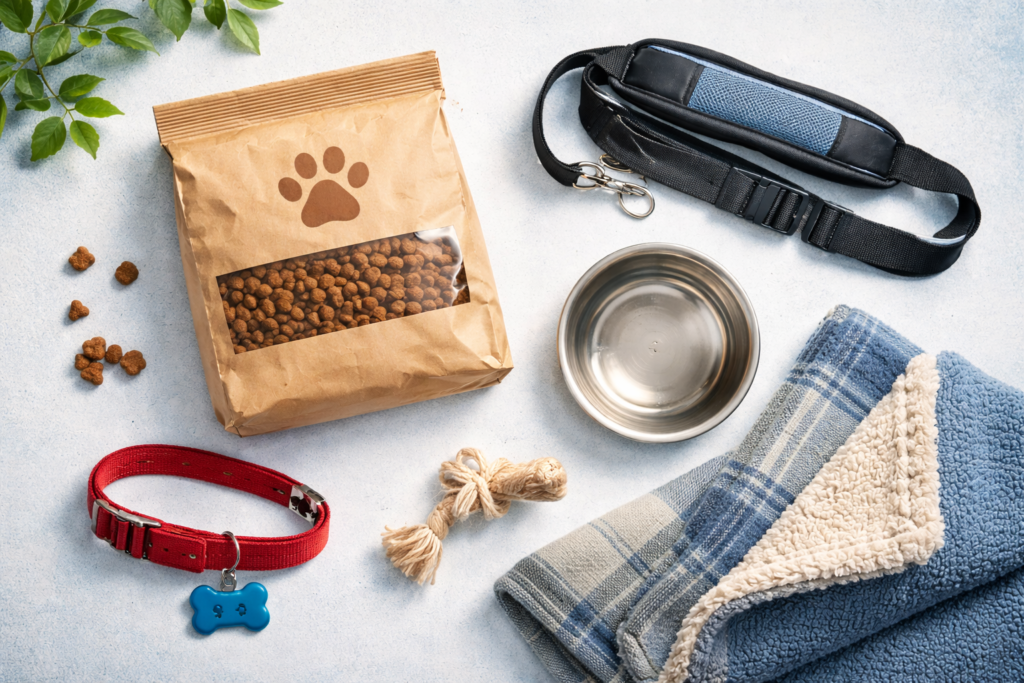
Pack a separate bag for your pets. Not in a box. Not at the bottom of the truck. A bag that stays accessible the entire move.
Food and Water
Bring enough food for 3 days minimum. Don’t assume the new suburb has the same pet food brand in stock. Sudden diet changes during stress? That’s a recipe for a very unhappy pet.
Bring collapsible bowls. They’re light, pack flat, and avoid the drama of searching through boxes for a water bowl at 9pm.
Bedding and Toys
Bring the unwashed bed. Bring the favourite toy. These smell like home and that matters enormously during the transition period. Don’t wash bedding for at least a week after arrival. The familiar scent helps your pet relax in an unfamiliar space.
Medications and Records
Pack all medications in a clearly labelled zip-lock bag. Include dosing instructions. Put veterinary records in a waterproof sleeve. Don’t pack these in the truck keep them with you in the car.
If your pet takes daily medication, set a phone alarm so the disruption of moving day doesn’t interrupt the schedule.
Leads, Tags, Carriers
Double-check everything before moving day. Is the lead clip working? Does the carrier latch properly? Is the ID tag on the collar readable?
Check microchip registration online. In NSW, pets must be microchipped and registered. Moving is the most common time this information gets outdated.
Moving Day Management for Pets
Moving day is loud, unpredictable, and full of strangers. For a pet, it’s overwhelming. Plan accordingly.
Secure a “Safe Room”
Pick one room to be the pet room. Keep them in there with their bed, water, and a toy. Put a sign on the door. Let your removalists know that room is off-limits until everything else is done. This isn’t foolproof. But it dramatically reduces escape risks and gives your pet a quiet corner during the chaos.
Consider Boarding
If your move is all-day, boarding is genuinely worth the cost. A doggy daycare or cat hotel takes that entire stress layer off your plate.
Call ahead. Moving days in Sydney are busiest on Fridays and Saturdays. Boarding facilities fill up. Book early.
Travel Comfort
For the drive, play familiar music. Keep the car temperature comfortable animals overheat fast in Sydney summers. Don’t leave pets alone in parked cars, even for 10 minutes.
For dogs, secure them with a seatbelt harness or travel crate. For cats, cover the carrier with a light cloth. It reduces visual stimulation and calms them down.
Essential Moving Day Checklist for Pets
Run through this before you leave:
Pet Essentials Bag
- [ ] Food and water for 48 hours
- [ ] Collapsible bowls
- [ ] Medications with instructions
- [ ] Vet records and certificates
- [ ] Carrier or crate, latched and clean
Familiar Scents
- [ ] Unwashed bedding
- [ ] Favourite toy or blanket
- [ ] A worn t-shirt of yours (works especially well for dogs)
Local Resources
- [ ] Nearest vet to new address (name + number written down)
- [ ] 24-hour emergency vet contact
- [ ] Local pet shop or groomer address
- [ ] Council registration details for new area
Don’t rely on your phone for all of this. Write the emergency numbers down. Moving day battery drain is real.
Pet Transport Tips for Moving House in Sydney
Getting pets from A to B safely is its own skill set.
Safety First
Never let a dog ride loose in a moving truck. Never let a cat free-roam in a car. These aren’t just comfort issues they’re safety issues. A startled animal in a moving vehicle is a serious hazard. Use appropriate restraints. An unrestrained dog in a vehicle is actually illegal in some Australian states. Secure travel is non-negotiable.
Comfort Measures
For long drives Sydney to Wollongong, Sydney to Canberra, Sydney to Port Macquarie stop every 2 hours for dogs. Offer water. Don’t feed a full meal before long trips. Motion sickness is real in animals, especially cats.
Consider a pheromone spray for carriers. Products like Adaptil (dogs) and Feliway (cats) can reduce travel anxiety noticeably. Ask your vet about them at the pre-move check.
Maintain Calm
Your energy affects your pet’s energy. If you’re stressed and snappy, they pick it up fast. Try to speak calmly. Move them deliberately. Don’t rush the loading process more than necessary.
Flying With Pets When Moving to or from Sydney
Flying with pets in Australia is more complex than most people expect. Rules differ by airline. And not all pets can fly in-cabin.
Most Australian domestic airlines allow small dogs and cats in-cabin if the carrier fits under the seat. Larger animals travel as checked baggage or freight. Research this early some breeds (flat-faced dogs like bulldogs, flat-faced cats like Persians) face restrictions due to breathing risk.
For international moves into or out of Sydney, biosecurity rules are strict. Australia’s quarantine requirements can mean weeks in approved facilities. Check the DAFF (Department of Agriculture) guidelines. Your vet can help you navigate the paperwork.
If you’re moving interstate with pets by plane book as early as possible. Pet spaces fill up. Confirm again closer to the date. Have a backup transport plan.
Moving House With Small Animals
Dogs and cats get most of the attention. But rabbits, guinea pigs, birds, fish, and reptiles need just as much care during a move. Fish are genuinely difficult to transport. For short moves, use large bags with extra oxygen. For longer moves, consider a professional aquarium transport service. Don’t just slosh them around in an open bucket.
Birds stress in darkness. Cover the cage lightly not fully. Maintain ventilation. Avoid sudden temperature drops. Keep the cage away from air conditioning vents. Rabbits and guinea pigs overheat quickly. Never leave them in a hot car. Use a well-ventilated box with familiar bedding. Keep noise and handling minimal on moving day.
Reptiles need stable temperature. A lizard in a cold car on a Sydney winter morning is a medical situation. Use an insulated carry box and a heat pack if needed.
Settling Pets Into a New Home After Moving
The move itself is step one. Settling in is the longer part.
Create a Safe Space
In the new house, set up your pet’s safe space first. Before furniture goes in. Before you unpack the kitchen. The pet bed, the water bowl, the familiar scent those go down first.
Let your pet explore that space on their own terms. Don’t force interaction with new rooms. Let curiosity lead.
Pet-Proofing
Check the new home properly before pets have free rein. Open gaps, unlocked gates, accessible chemicals under sinks, power cords within reach all of it needs addressing first.
Backyards especially. A stressed dog will find any gap in a fence. Walk the perimeter before they do.
Gradual Exploration
Introduce new spaces one at a time. Don’t open every door on day one. Start with the main living area. Add rooms over a few days. This is especially important for cats. Giving a cat access to a whole new house at once is overwhelming. Restrict their world first. Expand it gradually.
Establish Routine
Get back to normal as fast as you can. Same feeding time. Same walk route. Same play schedule. Routine is the fastest way to help a pet settle. Even if everything else is boxes and chaos, consistent timing gives them a sense of control.
Indoor Period for Cats
How long should cats stay indoors after moving? Most vets recommend 2 to 4 weeks minimum. Some say 6 weeks for anxious cats.
Keep them inside until they clearly recognise the house as home eating normally, using the litter box without issue, sleeping in relaxed positions. Then introduce outdoor access slowly. Supervised first. Then with a cat door.
Releasing a cat outdoors too early is how cats get lost. They don’t know the new territory. They panic. They run. Take your time with this one.
Keep Pet Identification Tags and Documents Updated When Moving
This section is short because the action is simple. Do it now.
Update microchip details at the time of move, not after you’ve settled. The Australian Pet Register lets you update online. It takes five minutes.
Update ID tags. Put your new address on them. Your new phone number. Both.
Register your pet with the new council if you’re crossing council boundaries. In NSW, registration doesn’t automatically transfer. You’ll need to re-register.
Keep a folder physical or digital with:
- Microchip certificate
- Current vaccination records
- Council registration papers
- Vet health certificate (for interstate or international)
- Pet insurance documents
If your pet ever gets lost during or after a move, this documentation is what gets them home faster.
Common Pet Moving Mistakes to Avoid
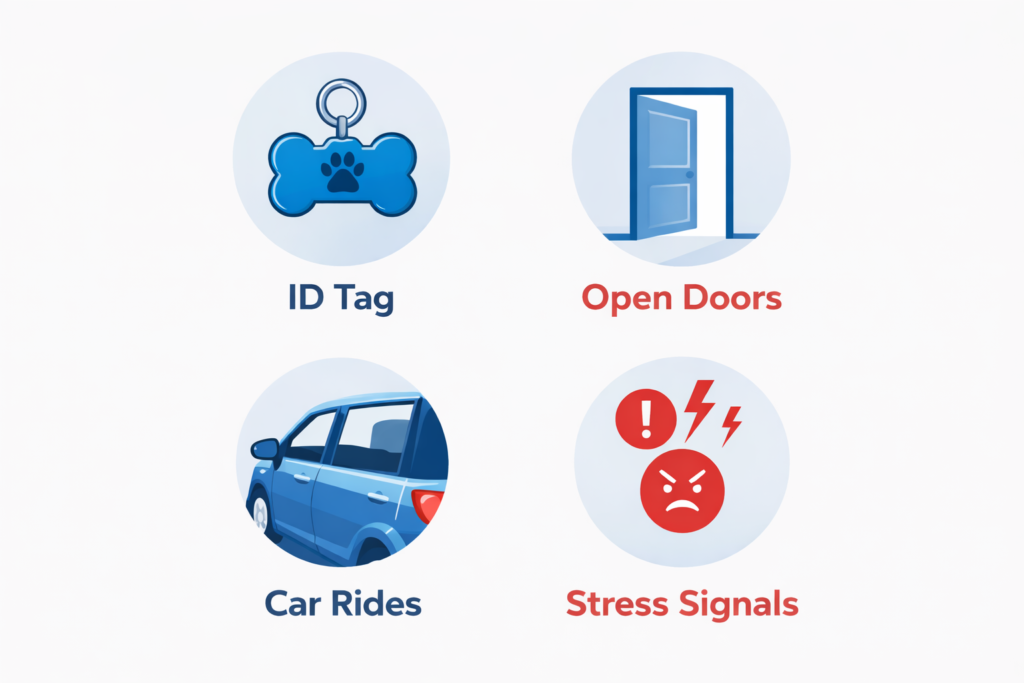
Skipping ID Updates
The most common mistake. It costs nothing to update. It costs everything if your pet bolts during the move and has a 3-year-old address on the chip.
Rushing New Spaces
Opening every door, introducing every room, letting dogs sniff the whole street on day one — it’s too much. Slow the exploration down. Let them lead the pace.
Free-Roaming in Cars
Dogs in laps. Cats loose in the back seat. Birds in open cages. All of it is genuinely dangerous and preventable. Secure every animal for every drive.
Ignoring Stress Signals
Pets communicate stress clearly. Hiding, aggression, not eating, constant vocalisation, excessive licking or scratching these are signals, not phases. If stress signs persist past the first week in the new home, call your vet.
Early intervention is easier than managing a full anxiety cycle. Don’t wait it out hoping it resolves on its own.
Trust Six Brothers Removalists for Your Next Pet-Friendly Move
Moving with pets adds layers of planning. But it doesn’t have to be overwhelming. With the right prep, a clear checklist, and a team that works efficiently on moving day — it’s absolutely manageable.
Six Brothers Removalists handles house removals across Sydney and interstate routes including Sydney to Melbourne, Sydney to Brisbane, Sydney to Adelaide, Sydney to Canberra, and Sydney to Wollongong. Our team is experienced, fast, and professional. We understand that your home includes your animals.
Call us: 1300 764 372 Email: info@sixbrothersremovalist.com.au Location: Suite 1 Level 5, 58/60 Macquarie St, Parramatta NSW 2150
Whether it’s a studio apartment move or a 4-bedroom house removal, we’ll make moving day smoother. Your pets will thank you for it.