
You packed your whole life into boxes. The truck drove off across state lines. Then it arrived, and your favourite bookshelf had a crack down the side. Now what? This is the fear that keeps movers up at night. Not the boxes. Not the truck. The damage. What happens if something breaks while it sits in a stranger’s hands for a thousand kilometres?
Here is the good news. A damaged item on an interstate move is not the end of the world. There is a clear path forward, and you have more rights than you think. The trick is knowing the steps before the move, not after.
We have run long-distance jobs across Australia for years. We have seen what goes wrong, why it goes wrong, and how to fix it fast. So let’s walk through the whole thing together, plain and simple. By the end, you’ll know exactly what to do if your stuff gets dinged, who pays for it, and how to stop it happening in the first place. Sound fair?
Moving interstate is a big deal. You’re trusting people you’ve never met with everything you own. The bed you sleep in. The desk you work at. The dining table where your family gathers. That trust feels heavy. And when something arrives broken, it stings more than the dollar value. It feels personal. So we’re going to take the mystery out of it, step by step.
Whether you’re moving a studio flat or a five-bedroom house, the rules are the same. Know your cover. Document the move. Pick a careful crew. The rest tends to look after itself.
Why Do Items Get Damaged During an Interstate Move?
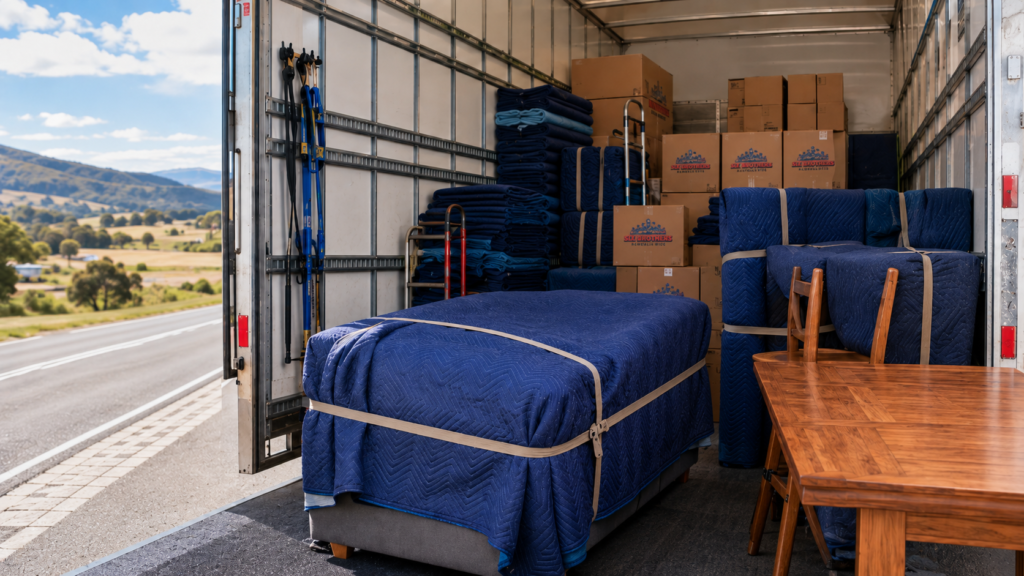
Long-distance moves are just harder on your things. A local move is a quick hop across town. An interstate move is hours, sometimes days, of bumps, turns, and reloading. Think of your furniture like a passenger on a very long road trip. The longer the ride, the more chances for something to shift, slide, or knock loose. Here are the most common reasons damage happens:
• Bad packing. Loose items rattle around and smash into each other.
• Poor loading. Heavy boxes on light ones. Fragile gear with no padding.
• Long transit time. More hours on the road means more vibration.
• Multiple handling points. Items get loaded, unloaded, and reloaded on backloads.
• Rough roads. Some interstate routes are far from smooth.
Most damage is not bad luck. It comes from cut corners. A good crew with the right gear stops most of it before it starts. That’s why the company you pick matters more than the distance you travel. When you compare interstate removalist quotes, ask how they pack and secure the load. The cheapest quote often skips the padding. And padding is what saves your gear.
Which Items Break Most Often?
Some things travel fine. Others are trouble from the start. Knowing the high-risk items helps you protect them better.
These are the usual victims:
• Glassware and mirrors. They crack with the smallest knock.
• Flat-screen TVs. Thin panels hate vibration and pressure.
• Timber furniture. Legs snap and corners chip on long hauls.
• Pianos and large instruments. Heavy, awkward, and fragile inside.
• Artwork and frames. Easily scratched, dented, or shattered.
If you’re moving a piano, don’t treat it like a bookshelf. Specialist piano removalists use straps, ramps, and padding built for the job. The same goes for art, antiques, and anything precious. The point is simple. Match the care to the item. A blanket on a wardrobe is fine. A flat-pack box for a mirror is asking for trouble.
Are Removalists Liable for Damage During the Move?
Short answer: it depends on the cover you have. This is the part most people get wrong, so read it twice. Removalists are not automatically on the hook for every scratch. Under Australian consumer law, a mover must take reasonable care of your goods. But “reasonable care” and “full replacement value” are two different things.
There are usually two layers to think about:
Carrier Liability
This is the basic cover most movers carry. It often pays out by weight, not by what your item is actually worth. So a heavy old wardrobe might be covered well. A light, pricey TV might not be.
Transit Insurance
This is separate cover you can buy for the full value of your goods. It protects the dollar value, not just the weight. For a big interstate move, this is the safer bet.
So are removalists liable for damage? Yes, within the limits of the cover in place. The key is knowing which cover you have before the truck rolls. Never assume. Always ask in writing.
A trustworthy mover explains this clearly upfront. If a company dodges the insurance question, treat it as a red flag. That’s a classic sign you might be dealing with one of the dodgy operators worth steering clear of.
Here’s a real example. Say your $2,000 TV gets damaged. It weighs ten kilos. Under weight-based carrier liability, you might get back twenty or thirty dollars. Under transit insurance for full value, you claim the whole $2,000.
See the gap? That’s why the question is never just “are removalists liable for damage.” The real question is “how much will my cover actually pay back?”
Always read the fine print. Some policies have excess fees. Some exclude items you packed yourself. Some cap single-item payouts. Ask about all of it before you sign anything.
What Should You Do the Moment You Spot Damage?
Speed matters here. The faster you act, the stronger your claim. Don’t sign off and worry about it later.
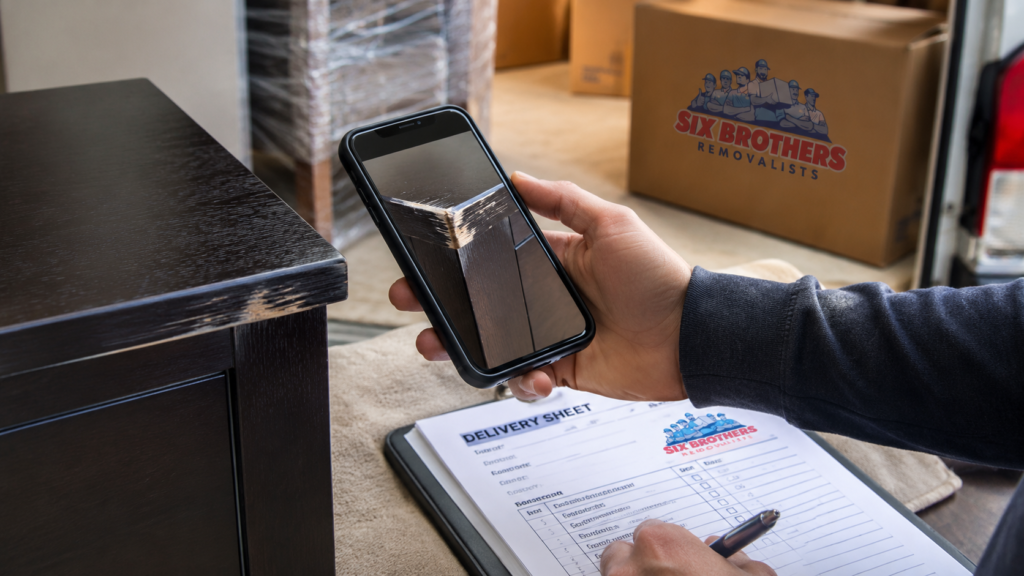
Follow these steps right away:
1. Stop and check before you sign. Inspect your goods as they come off the truck.
2. Photograph everything. Clear photos of the damage, from a few angles.
3. Note it on the paperwork. Write the damage on the delivery sheet before signing.
4. Keep the broken item. Don’t toss it. The mover may need to see it.
5. Report it fast. Call or email the company the same day if you can.
Why the rush? Because a signed clean delivery sheet says “all good.” If you sign without noting the damage, you make your claim much harder. One quick note on the paperwork protects you for weeks.
There’s an old saying that fits here: don’t count your chickens before they hatch. Check every box before you wave the truck goodbye.
How to File a Damage Claim With Your Removalist
A damage claim sounds scary. It’s really just a clear request backed by proof. Stay calm and stick to the facts.
Here’s how the process usually runs:
• Submit a claim form. Most movers have one. Ask for it the day you report the damage.
• Attach your photos. Visual proof speeds everything up.
• List each item and its value. Be honest and specific. Receipts help.
• Add the delivery note. The one where you flagged the damage.
• Wait for assessment. The mover or insurer reviews and responds.
Keep copies of everything you send. Save your emails. A paper trail is your best friend if things drag on. Good companies handle this without a fight. We treat a damage claim as our problem to solve, not yours to chase. That’s the difference between a real removal team and a cowboy with a van.
If you booked full service removalists in Sydney for the job, the claim process should feel smooth. The same care that loads your truck should sort out any hiccup at the other end.
How Long Do You Have to Claim?
Time limits matter. Most movers set a window for reporting damage, often a few days from delivery. Miss it, and your claim may be void. So don’t sit on it. Report the damage the day it arrives if you can. Then follow up with the formal claim form quickly. The clock starts ticking the moment that truck pulls away.
Keep every date in writing. When you delivered the report. When you sent the form. When they replied. Dates protect you if there’s ever a dispute about timing. And stay polite but firm. A calm, well-documented claim gets taken seriously. An angry, vague one often stalls. Facts win. Frustration doesn’t.
Who Pays for the Damage, and How Much Do You Get Back?
This is the question everyone really wants answered. Who foots the bill? The honest answer depends on your cover and your proof.
Here’s the simple breakdown:
• With transit insurance: you can claim the full value of the damaged item, up to your policy limit.
• With basic carrier liability only: you may get a smaller payout, often based on weight.
• With no cover and no negligence: you may get little or nothing.
See why insurance matters so much? On a local move, the risk is low. On an interstate haul, the stakes climb fast. A few dollars on cover can save you thousands. Payouts also depend on proof. The clearer your photos and records, the stronger your case. Vague claims get vague results. Solid claims get solid results.
One more thing. Wear and tear is not damage. A faded couch is not a claim. Real damage means a clear break, dent, or tear caused during the move.
What If You Packed the Boxes Yourself?
This trips a lot of people up. Many policies treat owner-packed boxes differently from mover-packed ones. If you packed a box and something inside breaks, the mover may argue it was your packing, not their handling. That can weaken your claim. It’s not always fair, but it’s common.
So if you want full protection, let the crew pack the fragile stuff. When they pack it, they own the risk. That’s one big reason people choose full-service moves for long hauls. At the very least, pack high-value items with extra care. Or hand them to the professionals. The cost of proper packing is tiny next to the cost of a smashed heirloom.
How to Protect Your Belongings Before an Interstate Move
The best claim is the one you never have to file. Prevention beats paperwork every time. So let’s stop the damage before it starts.
Smart ways to protect your gear:
• Pack tight. No empty space means no rattling.
• Use proper boxes. Strong, double-walled boxes for heavy items.
• Wrap the fragile stuff. Bubble wrap, blankets, and padding.
• Label clearly. Mark boxes “fragile” and “this way up.”
• Photograph valuables first. Proof of condition before the move.
Want to go a step further? Learn how to pack fragile items properly so glassware and screens survive the trip. A little care at the start saves a lot of stress at the end. If you’d rather not lift a finger, let the pros handle it. Our crews wrap, load, and secure every item with the right gear. Your job is to point. Our job is to protect.
Picture your move like packing a parachute. Do it right once, and it carries everything safely down. Rush it, and you’re praying mid-air. Which would you rather?
Does Distance Change Your Damage Risk and Cover?
It does, and most people miss this. The further your goods travel, the more the rules shift. A short trip from one suburb to the next is low risk. A long haul from Sydney to Perth is a different beast. More distance means more handling, more hours, and more chances for trouble.
This is why interstate cover often differs from local cover:
• More transit time raises the odds of movement and impact.
• Backloading can mean your goods share space and get reloaded.
• Border-crossing routes may involve depots and transfers.
So when you book interstate removalists, treat insurance as part of the deal, not an add-on you skip. The longer the move, the more that cover earns its keep. This holds true whether you’re heading down the coast or right across the country. A Sydney to Melbourne removalist run and a Sydney to Perth run carry different risk levels. Match your cover to the distance.
How to Choose a Removalist That Protects Your Stuff
The company you pick decides how safe your move feels. Pick well, and damage becomes rare and easy to fix. Pick badly, and you’re rolling the dice.
Look for these green flags:
• Clear insurance options explained without dodging.
• Upfront pricing with no surprise charges on the day.
• Proper equipment like blankets, straps, and trolleys.
• Real reviews from real customers, not fake five-star spam.
• A written quote you can actually hold them to.
Cheap should never mean careless. You can find affordable movers in Sydney who still treat your goods with respect. The goal is value, not just the lowest number. Ask hard questions before you book. How do you pack fragile items? What insurance do you offer? What happens if something breaks? A good mover answers without flinching.
At Six Brothers Removalists, we built our name on no surprises. Upfront pricing. Careful handling. Honest answers. That’s how trust should work in this trade. We move homes and offices right across the country every week. Studio flats. Family houses. Whole offices. Each one gets the same care, whether it’s a short hop or a Sydney to Brisbane removalist run.
Our crews come with the right gear and the right attitude. Blankets, straps, trolleys, and patience. We’d rather take ten extra minutes to wrap a table than rush and break it. And if something ever does go wrong, we own it. No finger-pointing. No dodging your calls. Just a fair fix, fast. That’s the promise behind the name.
Planning an interstate move and want it done without the damage drama? Get your free quote from Six Brothers Removalists today. Call 1300 764 372 or email info@sixbrothersremovalist.com.au. We’ll give you honest pricing and careful handling, start to finish.
Does Backloading Raise the Risk of Damage?
Backloading saves money on interstate moves. But it changes how your goods travel. So it’s worth understanding. With interstate backloading, your stuff shares a truck with other people’s loads. The truck is already heading your way, so you split the cost. Smart on the wallet.
The trade-off is handling. Your goods may get loaded, moved, and reloaded as other jobs come and go. More handling means more chances for a knock.
To keep backloaded goods safe:
• Wrap everything well. Assume your items will be moved around.
• Label every box. Clear labels stop mix-ups with other loads.
• Confirm the insurance. Backloads still need proper cover.
• Choose a careful operator. Not all backload services are equal.
Done right, backloading is a great deal. Done cheap, it’s a gamble. The difference is the crew and the cover, not the method itself. We run backloads with the same care as a full truck. Your goods get wrapped, secured, and tracked. Saving money should never mean risking your belongings.
Why an Inventory List Is Your Best Defence
Want the single best tool for a smooth damage claim? An inventory list. It’s boring. It works.
An inventory is just a written list of what you’re moving. Item by item. Add the condition and a photo for the valuable stuff. It takes an afternoon and saves a world of pain.
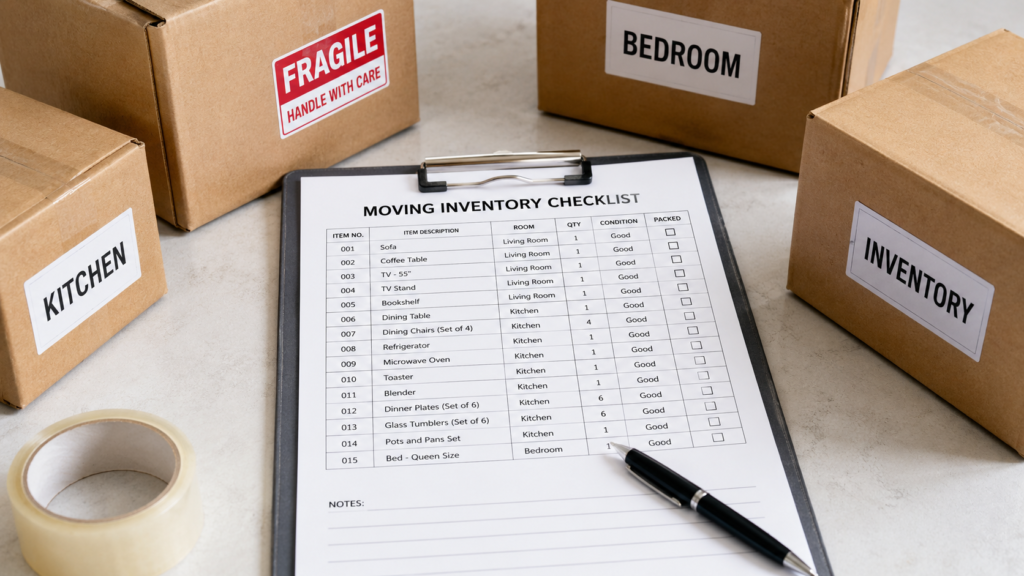
A good inventory should include:
• Every major item loaded onto the truck.
• Condition notes like “small scratch on left side.”
• Photos of anything worth more than a few hundred dollars.
• Rough values so you know what to claim if needed.
Why does this matter so much? Because proof wins claims. If you can show an item left in good shape and arrived broken, your case is airtight.
Without an inventory, it’s your word against theirs. With one, the facts speak for you. That’s a powerful position when money is on the line. Top movers often provide their own inventory or condition report. Read it. Check it. Sign it only when it’s accurate. Don’t rush this part, even on a busy moving day.
Think of the inventory like a receipt for your whole house. You wouldn’t leave a shop without one for a fridge. Don’t send a truckload across the country without one either.
Is Damage Cover Worth the Extra Cost?
People often skip insurance to save a bit. On a long move, that’s a risky call. Let’s weigh it up plainly. Transit insurance usually costs a small slice of your total move. The exact price depends on the value of your goods and the distance. But it’s rarely a big number.
Now compare that to the downside. One broken TV, one cracked table, one smashed mirror, and you’ve already lost more than the cover would have cost. The maths is brutal but clear.
Cover makes the most sense when:
• You own high-value items like electronics or antiques.
• You’re moving a long distance with more handling involved.
• You can’t easily replace what you’re moving.
• You want real peace of mind instead of crossed fingers.
Is it always needed? For a quick local move of cheap stuff, maybe not. For an interstate haul of everything you own, it’s hard to argue against. As the saying goes, better safe than sorry. A small spend upfront beats a big loss later. That’s not fear talking. That’s just smart planning.
When you book with us, we walk you through the cover options in plain English. No pressure. No jargon. Just a clear choice so you move with confidence, not worry.
Real Talk: What Damage Claims Actually Look Like
Let’s drop the brochure language for a sec. Here’s how it really plays out.
Most interstate moves arrive with zero damage. The vast majority. When something does go wrong, it’s usually small. A scuffed leg. A chipped corner. Stuff that’s annoying but fixable. Big damage is rare with a careful crew. And when it happens, the honest companies sort it. They don’t ghost you. They don’t argue over a scratch you both can see.
The horror stories you hear? They almost always involve a dirt-cheap operator with no insurance and no real address. That’s not the whole industry. That’s the bottom of it. So don’t let fear stop your move. Just choose carefully, get cover, and document everything. Do that, and you’ve removed almost all the risk. Simple as that.
Quick recap of what protects you most:
• Pick a careful, reviewed mover with real equipment and a real address.
• Get transit insurance for the full value of your goods.
• Build an inventory with photos before the truck loads.
• Check everything before you sign the delivery sheet.
• Report damage fast and keep a clear paper trail.
Follow that list and damage stops being scary. It becomes a rare, manageable bump with a clear fix. That’s the whole point of moving with people who know the trade.
Frequently Asked Questions
Are Removalists Liable for Damage?
Yes, but within limits. Under Australian consumer law, removalists must take reasonable care of your goods. If they’re negligent, they’re liable. But payouts depend on your cover. Basic carrier liability often pays by weight. Transit insurance pays the full value of the item. For an interstate move, full transit insurance is the safest choice. Always confirm your cover in writing before the truck leaves.
Do Removalists Have Insurance?
Most reputable removalists carry basic cover, but it’s often limited. That base cover may not pay the full value of a damaged item. That’s why many movers offer optional transit insurance for extra protection. Before you book, ask exactly what’s included and what costs more. A trustworthy company explains this clearly and never dodges the question. If they’re vague about insurance, take your business elsewhere.
The Bottom Line on Damage During Your Move
So what happens if items are damaged during an interstate move? You document it, report it fast, and file a clear claim. With the right cover, you get paid back. With a good mover, the whole thing stays painless.
The real secret is prevention. Pack smart, get proper insurance, and pick a removalist who actually cares. Do that, and damage becomes a rare, easy-to-fix bump rather than a disaster. Your belongings carry your whole life. They deserve a crew that treats them that way. You shouldn’t have to cross your fingers and hope for the best.
Moving interstate is a fresh start. A new home, a new chapter, a new chance. Don’t let damage worries cast a shadow over it. With the right plan, that worry just melts away. Take it from a team that does this every single week. The moves that go smoothly all share the same recipe. Good prep, good cover, and good people doing the lifting.
Ready to move interstate with total peace of mind? Get your free quote from Six Brothers Removalists now. Call 1300 764 372 or email info@sixbrothersremovalist.com.au. Honest pricing, careful hands, and no nasty surprises on the day. Let’s get your move sorted.